

View properties for sale in Dordogne


Coat of arms: Wikimedia Commons, public domain. Maps: derived from IGN Admin Express data, Licence Ouverte. Shown for identification only; no affiliation with the department is implied.
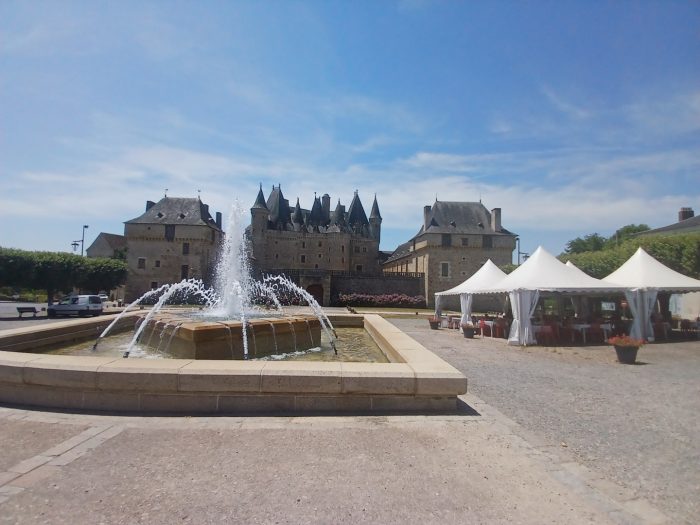
Dordogne was one of the original 83 departments created in 1790, during the French Revolution. It corresponds roughly to the old county of Périgord, and it takes its name from the river. People have lived here since prehistory, and the Vézère valley caves, including Lascaux, are UNESCO-listed evidence of that. Later centuries left castles such as Beynac and Castelnaud, and fortified bastide towns such as Monpazier and Domme.
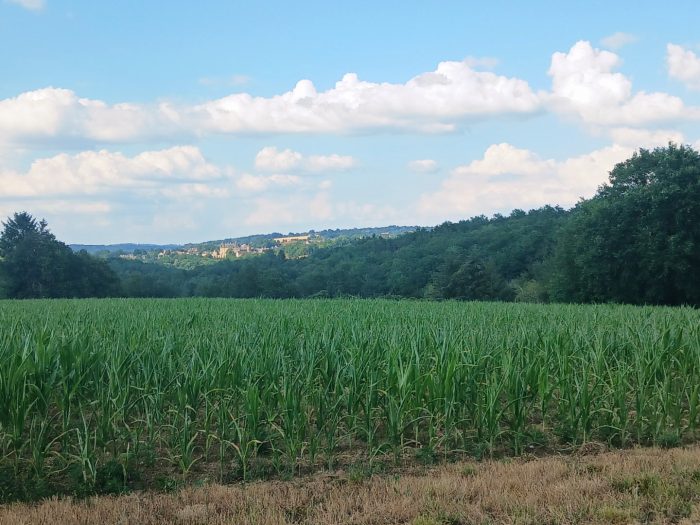
It is a green, rural department of small communes, with a limited number of larger towns, Périgueux and Bergerac among them.
Dordogne is easiest to read as four areas, each named by tourist boards, along a river valley. The sections below cover the four Périgords, the largest communes, the officially recognised heritage and the properties currently listed.
| Fact | Figure |
|---|---|
| Department number | 24 |
| Region | Nouvelle-Aquitaine |
| Prefecture | Périgueux |
| Communes | 503 |
| Population (INSEE) | 417,614 |
| Area | 9,222 km² |
| People per km² | 45 |
| Communes with 2,000 people or more | 34 |
| Largest commune | Périgueux (29,055) |
| Created as a department | 1790 |
| Plus Beaux Villages de France | 10 villages |
| UNESCO World Heritage listing, Vézère valley | 1979 (147 prehistoric sites, 25 decorated caves) |
| UNESCO Biosphere Reserve, Dordogne basin | 2012 |
| Properties listed with us | 22 |
| Price range of those properties | € 50 000 to € 381 600 |
| Average temperature, Périgueux-Bassillac (1991–2020) | About 13 °C a year |
The four Périgords are tourist-board names for parts of the department, not administrative areas.
| Name | Part of the department | Main town |
|---|---|---|
| Périgord Vert (green) | North | Nontron |
| Périgord Blanc (white) | Centre | Périgueux |
| Périgord Pourpre (purple) | South-west | Bergerac |
| Périgord Noir (black) | South-east | Sarlat-la-Canéda |
The "purple" name dates from 1970, when it was adopted for tourism.
The department is named after the Dordogne river, which rises on the Puy de Sancy in the Massif Central. It is joined within the department by the Vézère, on whose banks lie Montignac, Lascaux and Les Eyzies. The Dordogne later meets the Garonne at the Bec d'Ambès, north of Bordeaux, where the two form the Gironde estuary.
Dordogne is a broad plateau that slopes down from the north-east, near the edge of the Massif Central, towards the Aquitaine Basin in the south-west. Heights run from close to sea level in the south-west to a little under 500 m in the north-east. The limestone plateaus around Périgueux are cut by rivers such as the Isle. In the south-east, the Dordogne and Vézère run through valleys bordered by limestone cliffs. Water dissolving the limestone has also formed caves.
Dordogne has a temperate climate with an Atlantic influence. Météo-France averages for the Périgueux-Bassillac station (1991–2020) show a yearly mean of about 13 °C, with about 6 °C in January and about 21 to 22 °C in July and August. These are averages for one station, and conditions vary across the department and from year to year.
By population (INSEE), the eight largest communes are:
| Commune | Population |
|---|---|
| Périgueux | 29,055 |
| Bergerac | 27,110 |
| Boulazac Isle Manoire | 10,759 |
| Sarlat-la-Canéda | 8,763 |
| Coulounieix-Chamiers | 7,832 |
| Trélissac | 7,372 |
| Terrasson-Lavilledieu | 6,218 |
| Montpon-Ménestérol | 5,866 |
The Vézère valley is in the south-east of the department. The Prehistoric Sites and Decorated Caves of the Vézère Valley were inscribed on the UNESCO World Heritage List in 1979. The listing includes Lascaux. UNESCO's list entry for the valley describes 147 prehistoric sites and 25 decorated caves. Lascaux was discovered in 1940.
The Dordogne river and its watershed were designated a UNESCO Biosphere Reserve on 11 July 2012. The reserve covers a wider river basin than this one department.
Ten villages in Dordogne are listed by the association Les Plus Beaux Villages de France: Belvès, Beynac-et-Cazenac, Castelnaud-la-Chapelle, Domme, La Roque-Gageac, Limeuil, Monpazier, Saint-Amand-de-Coly, Saint-Jean-de-Côle and Saint-Léon-sur-Vézère.
Dordogne is closely tied to the food of the Périgord. Foie gras, confit de canard (duck preserved in its own fat) and walnuts are traditional products of the area, and cèpes (porcini mushrooms) and truffles are gathered in season.
Two local products carry an official quality mark. The Noix du Périgord (walnut) is an AOP, a protected designation of origin, and the Fraise du Périgord (strawberry) is an IGP, a protected geographical indication.
The Bergerac area in the south-west of the department is a wine-growing area. Its appellations include Bergerac, Pécharmant, Monbazillac, Saussignac and Montravel.
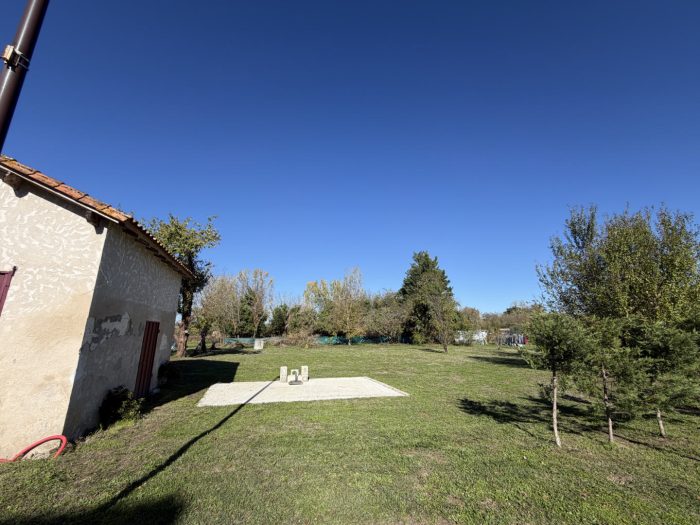
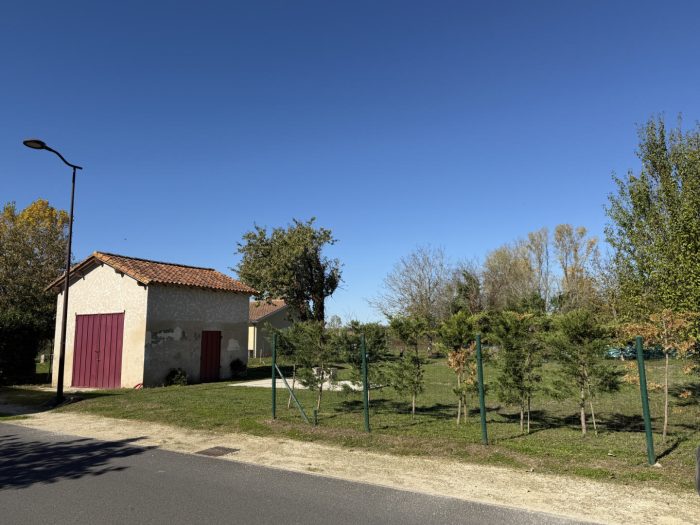
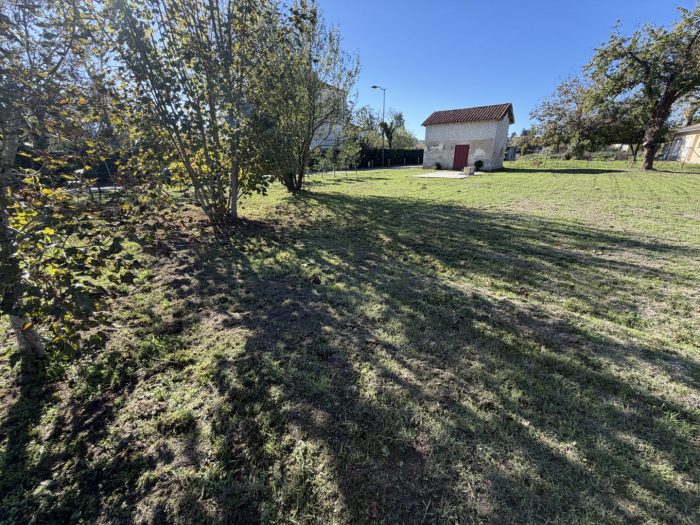
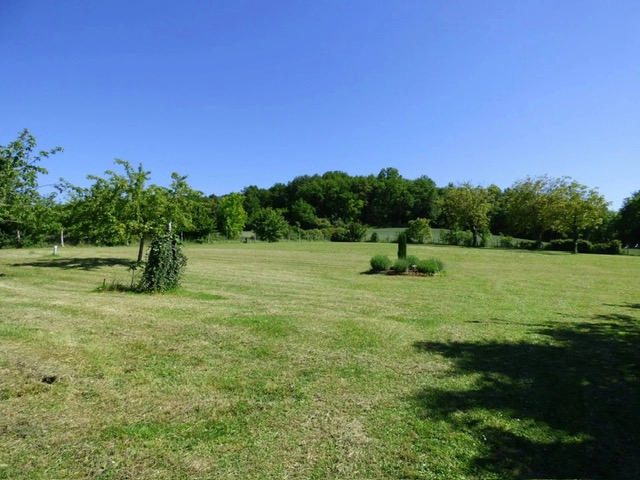
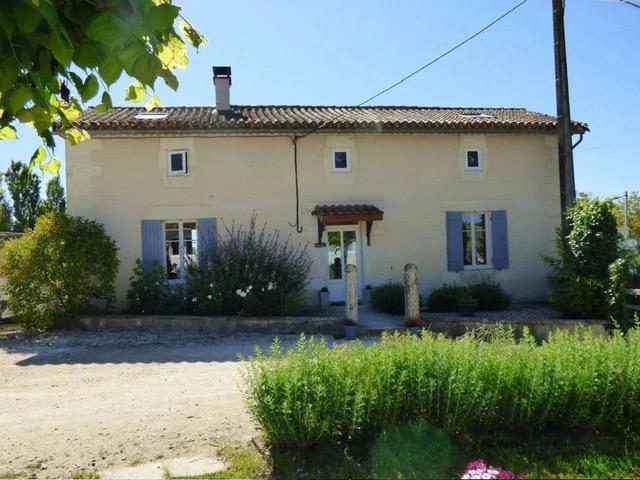
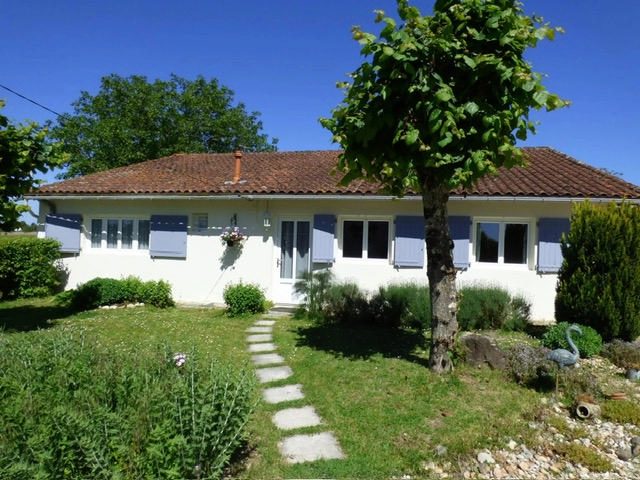
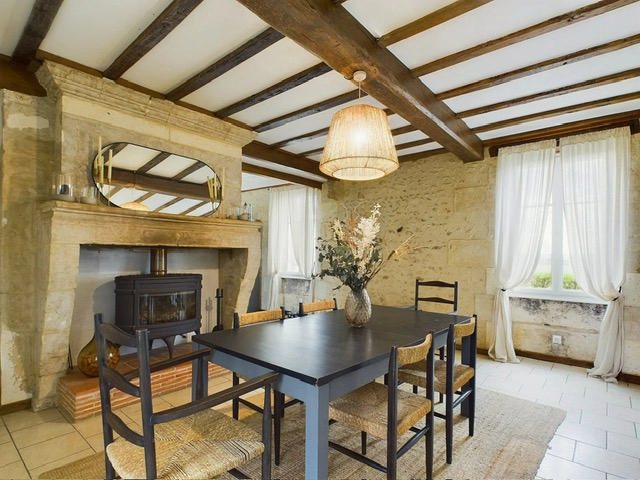
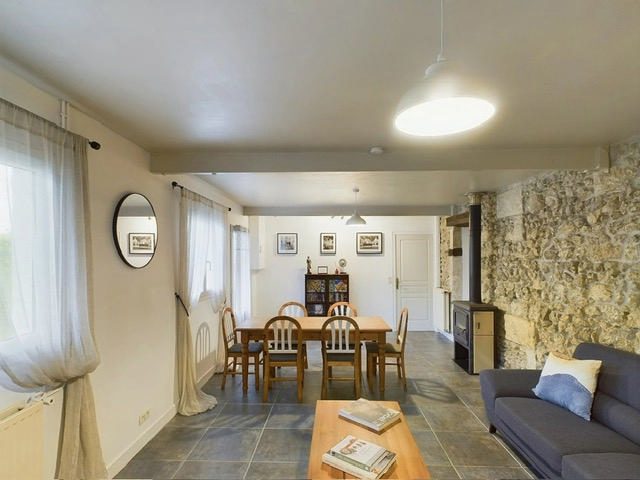
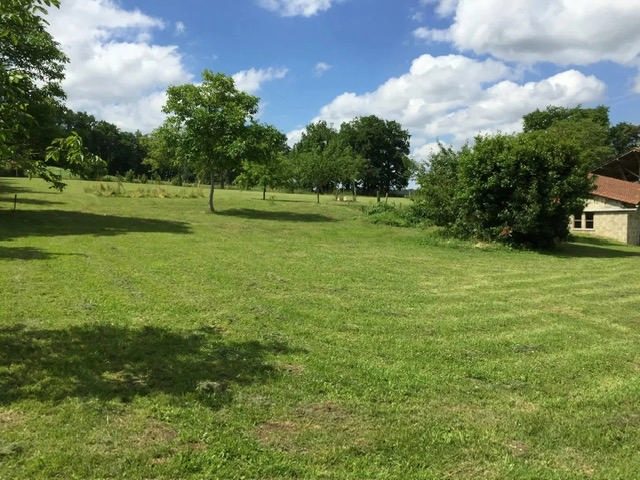
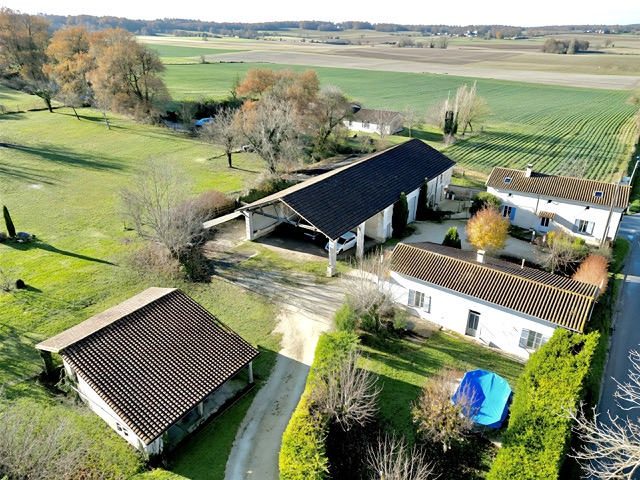
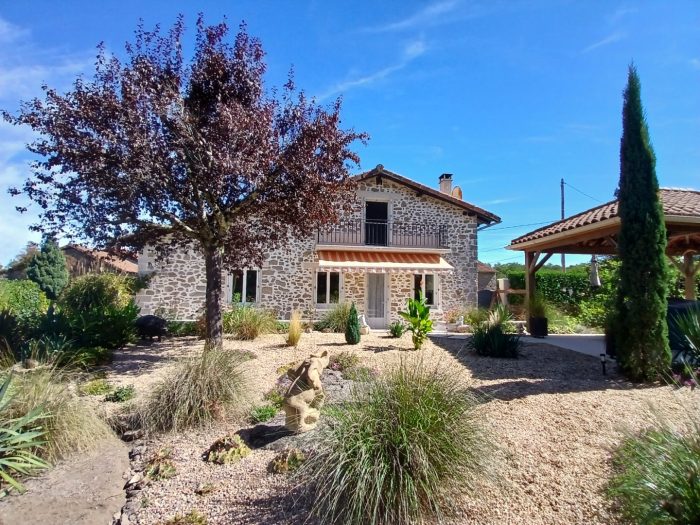
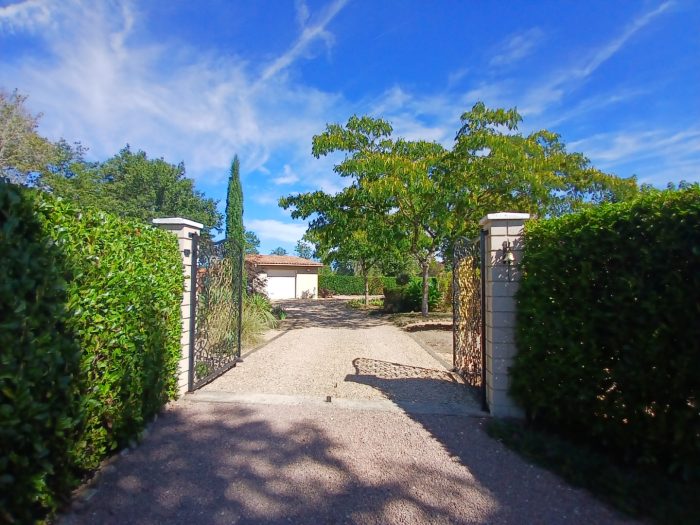
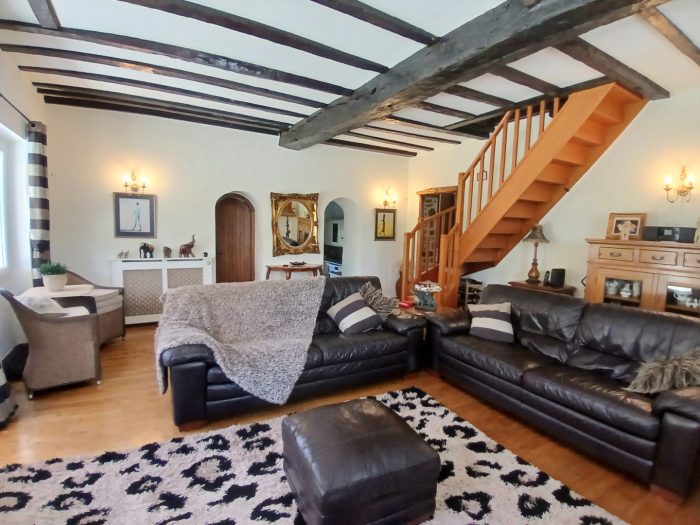
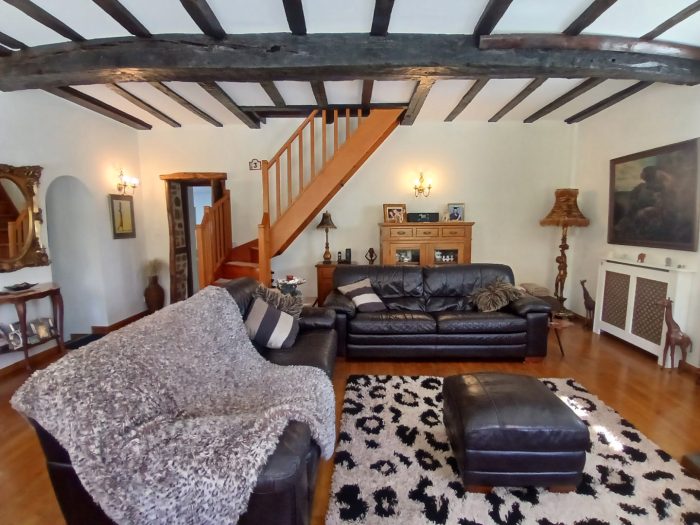
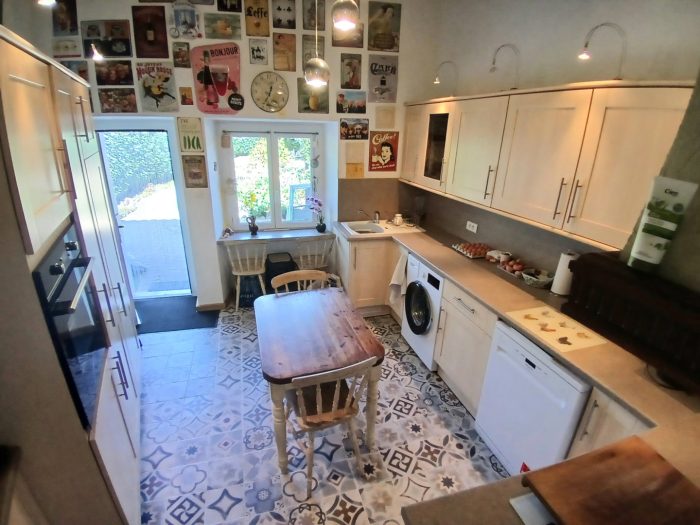
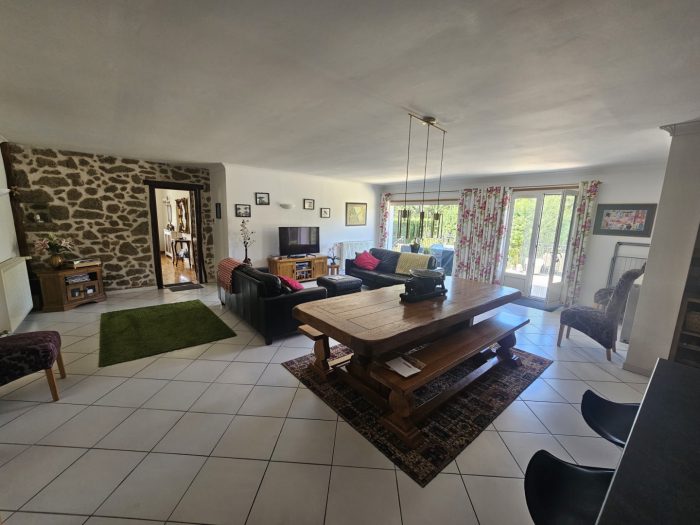
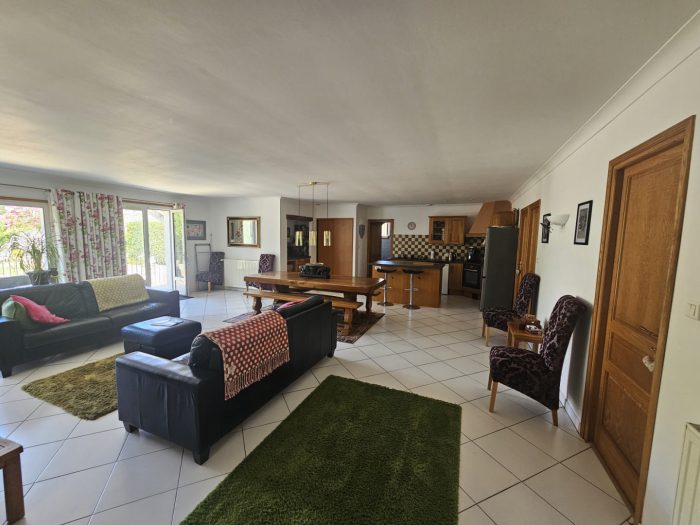
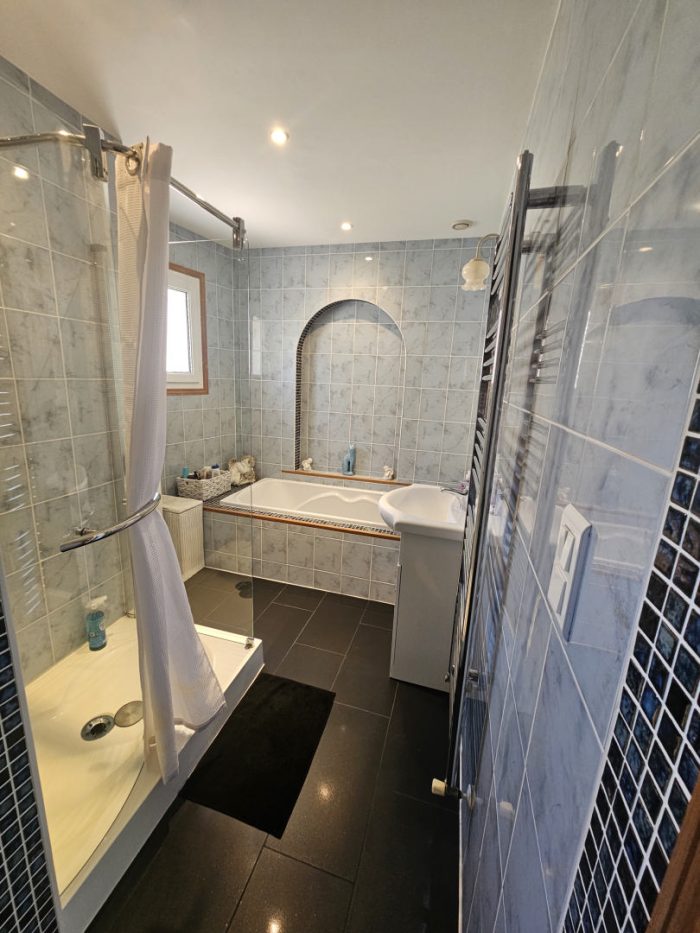
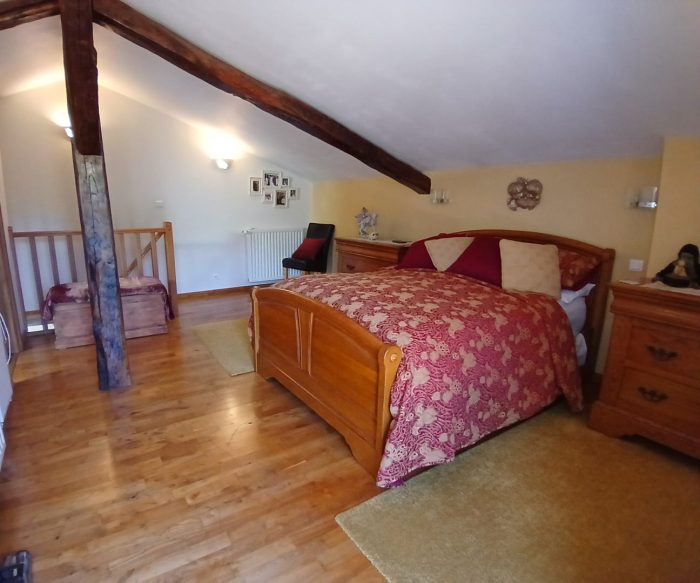
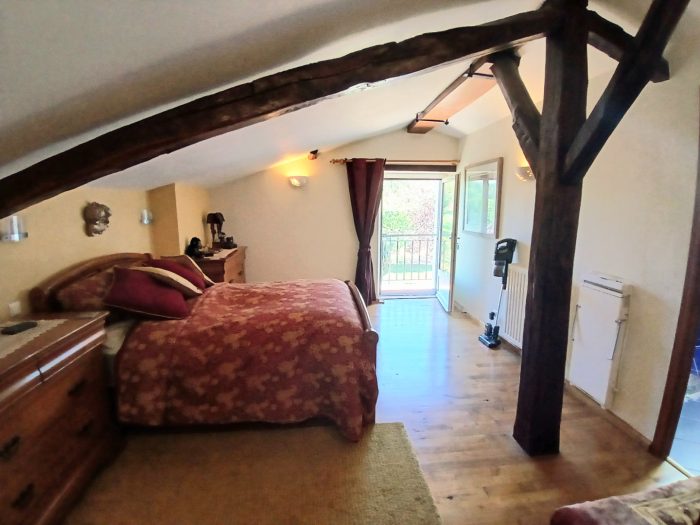
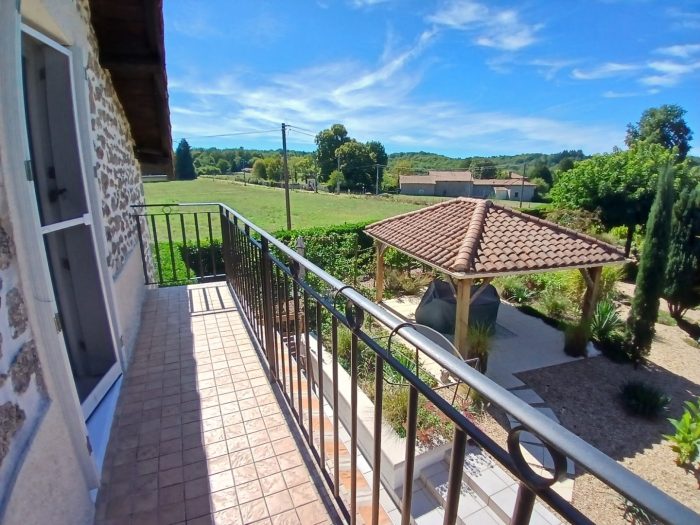
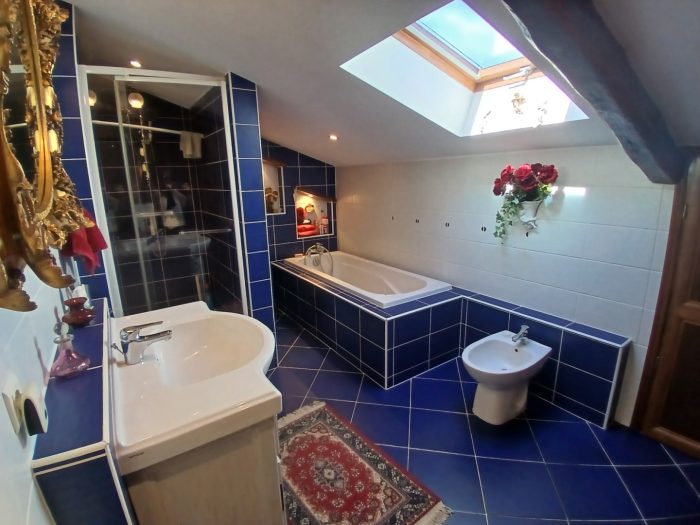
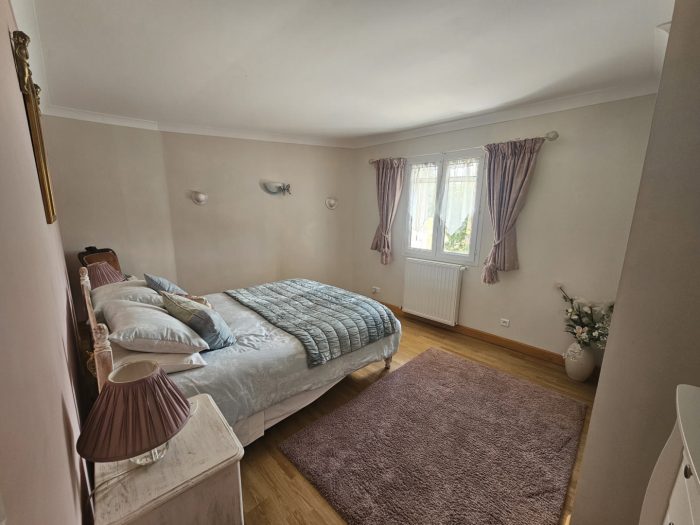
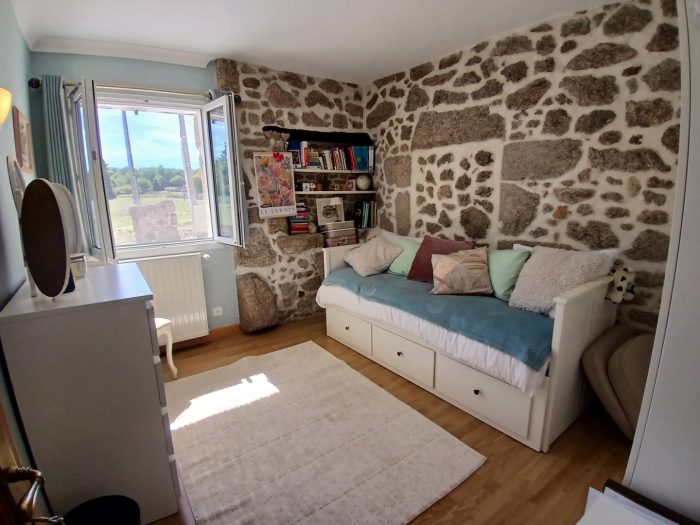
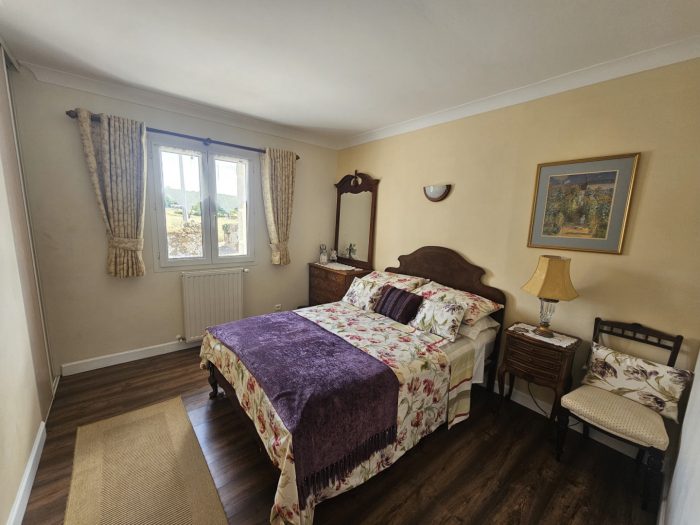
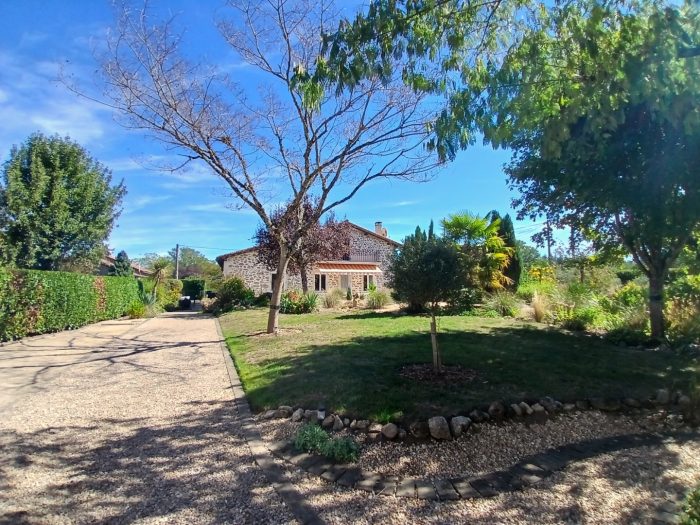
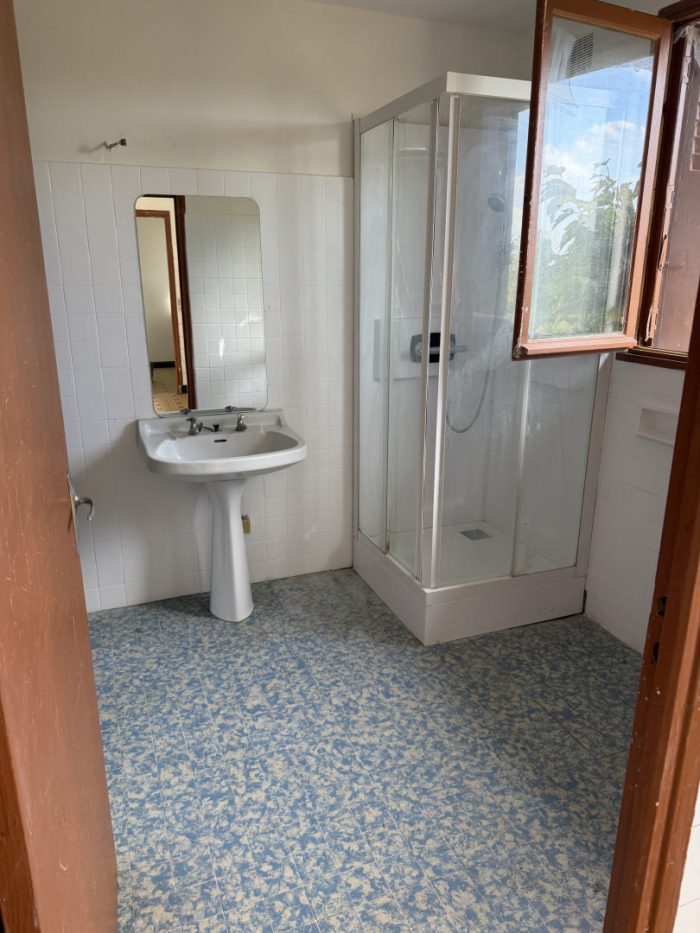
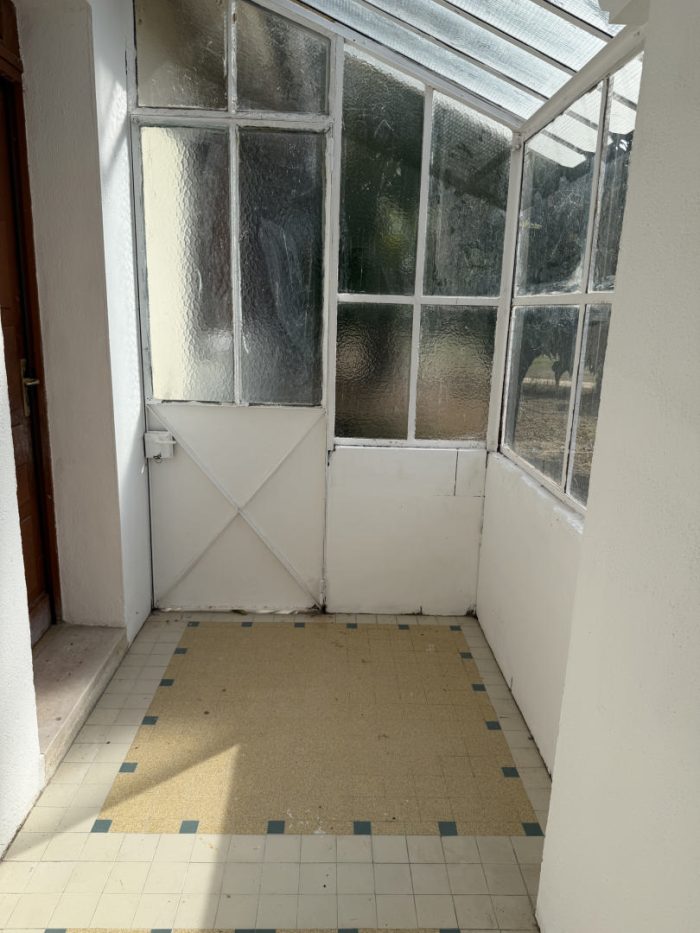
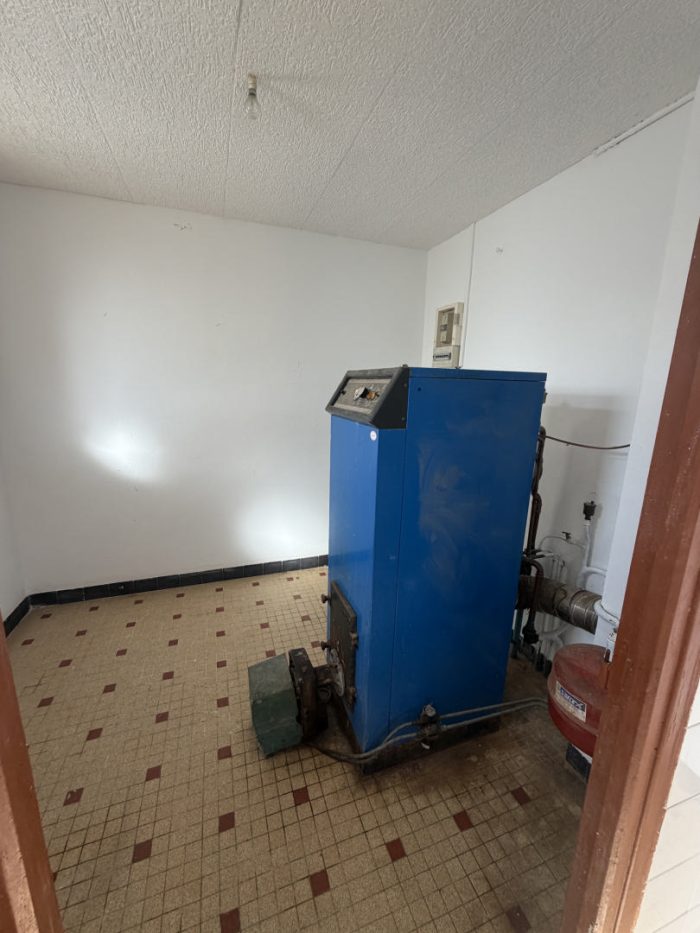
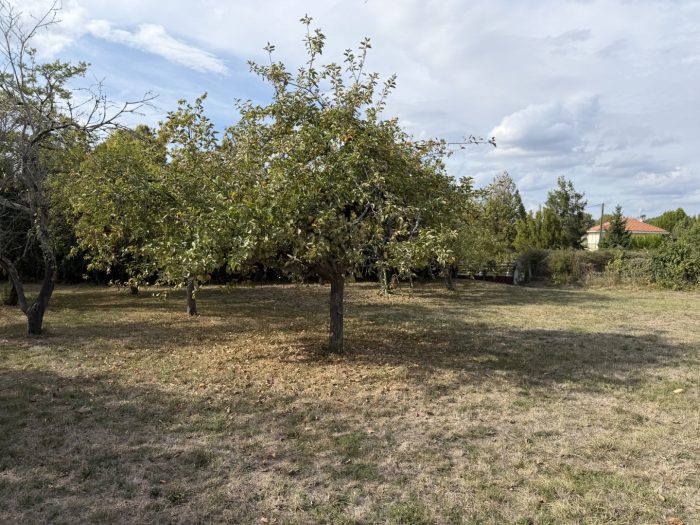
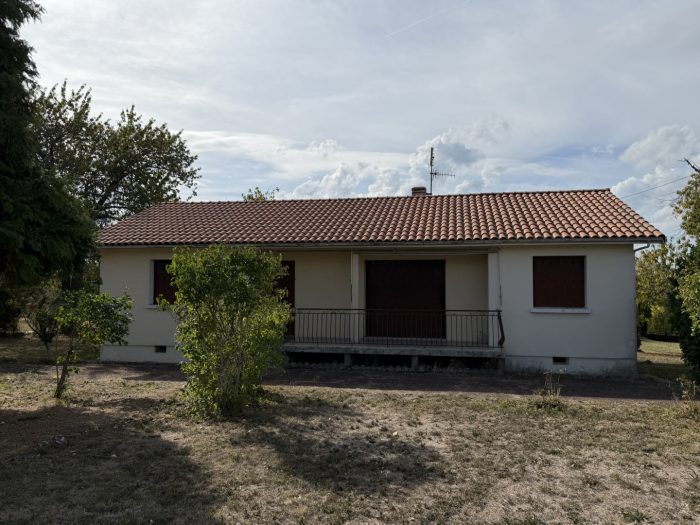
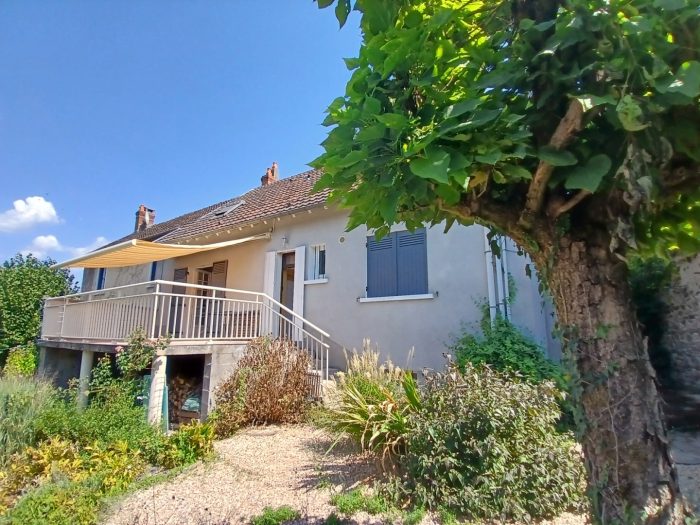
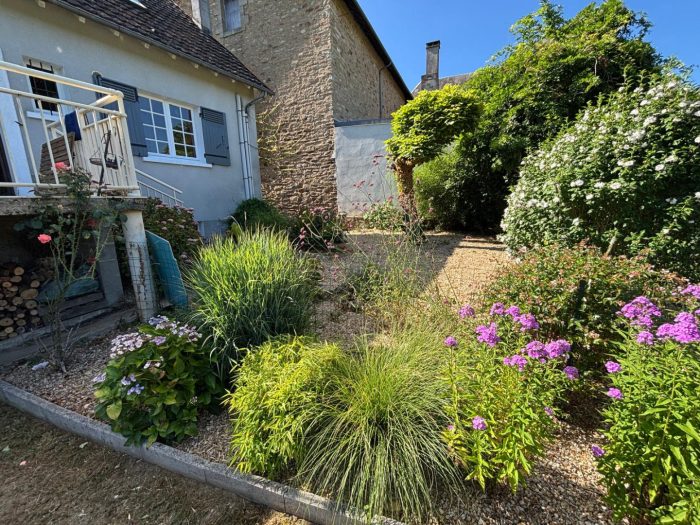
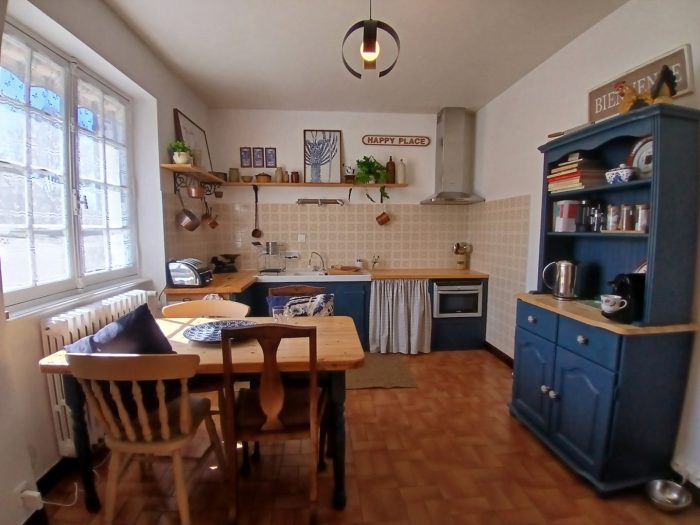
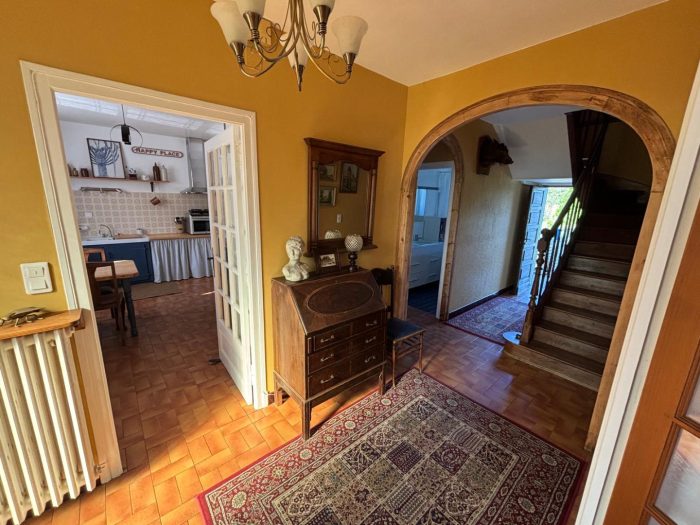
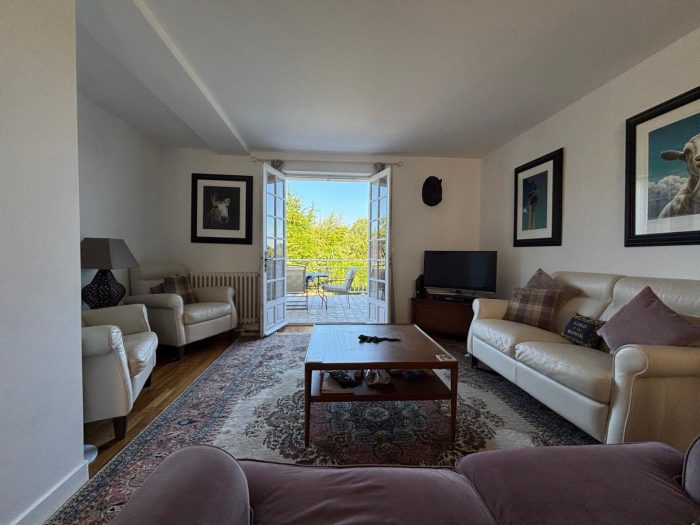
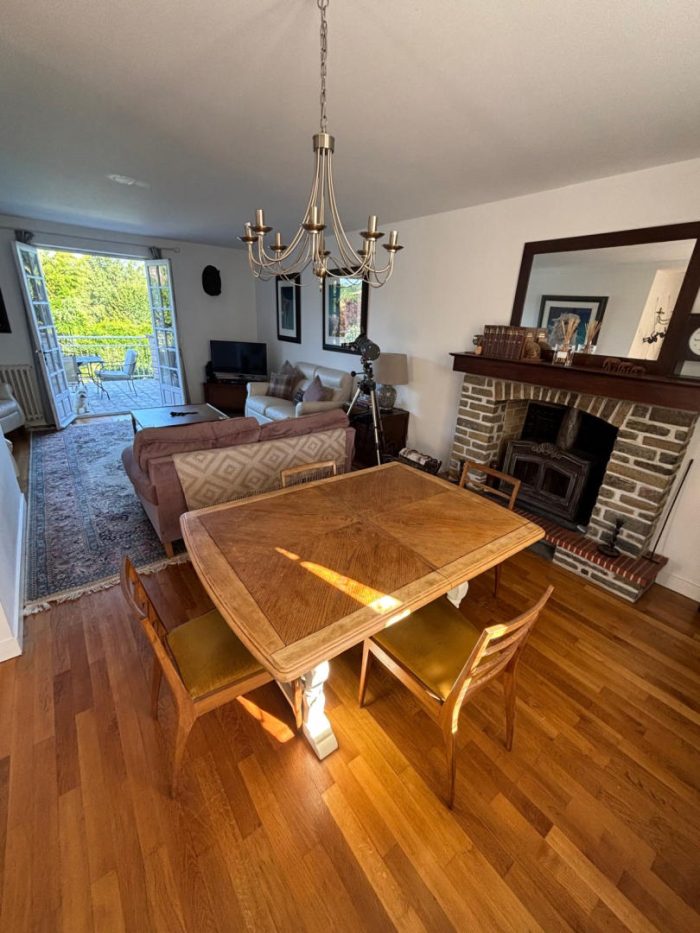
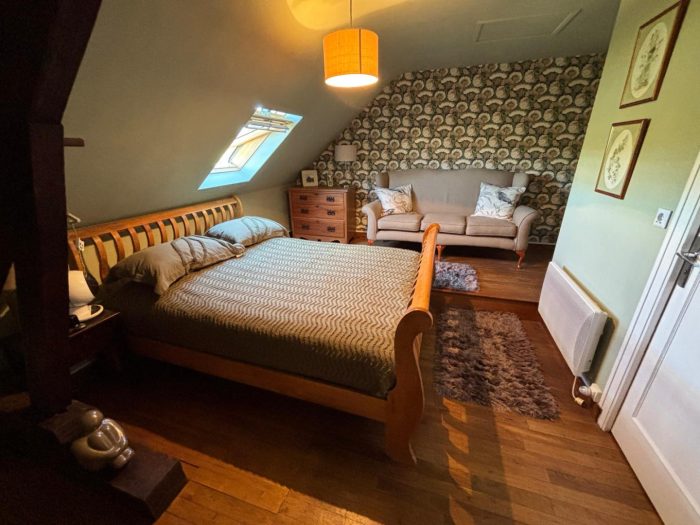
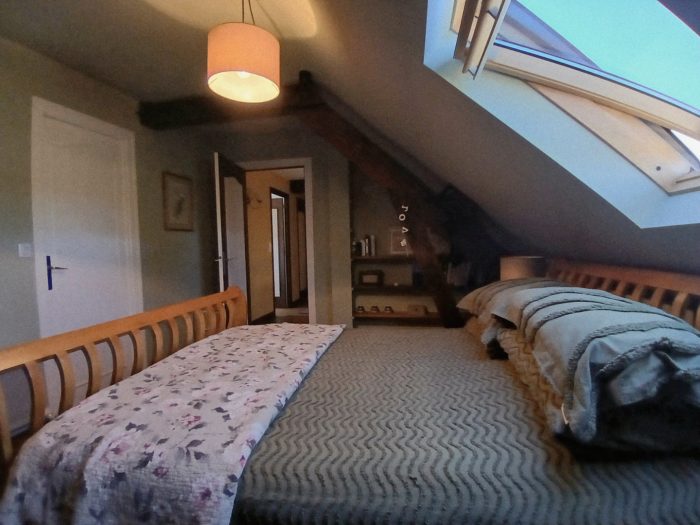
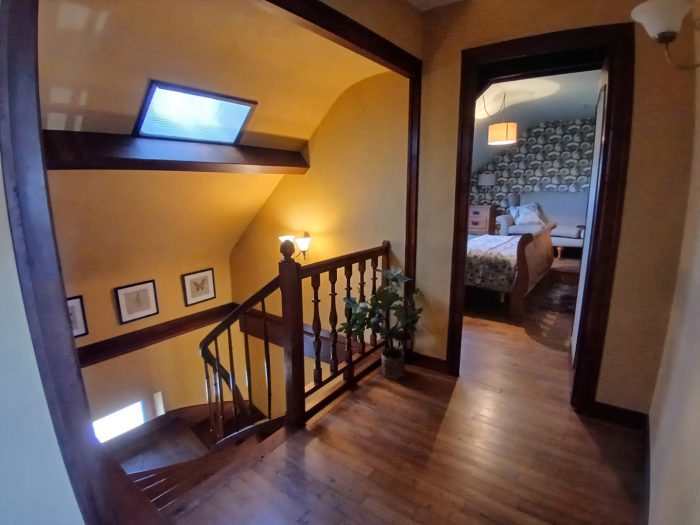
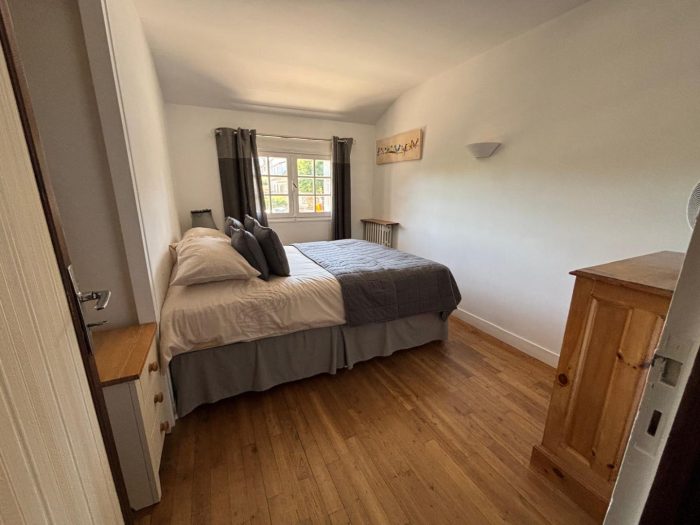
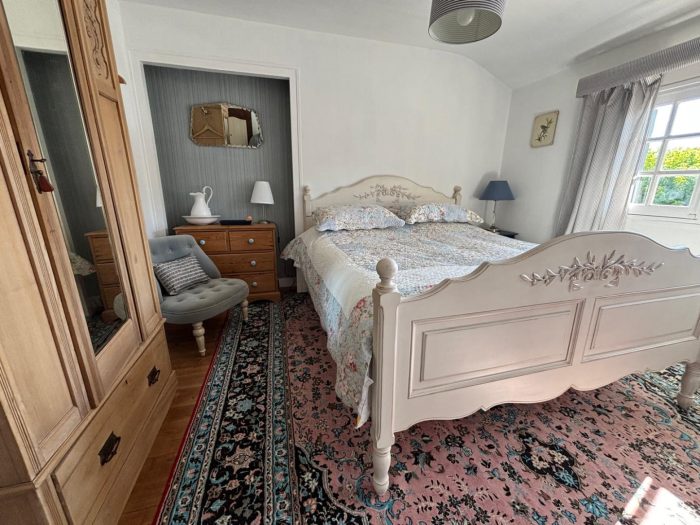
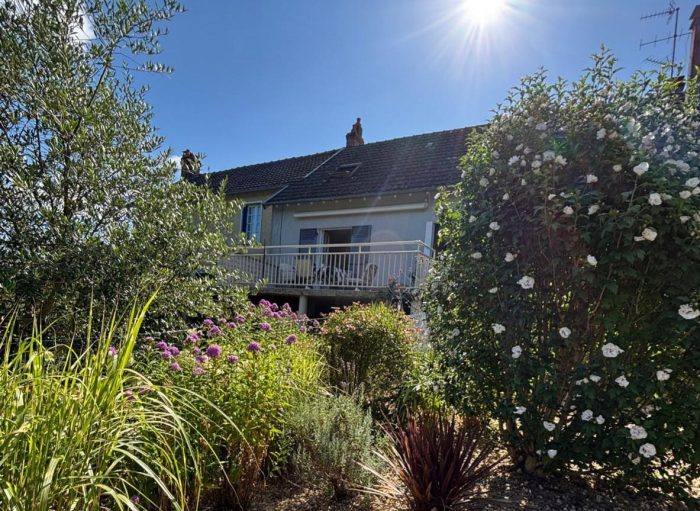
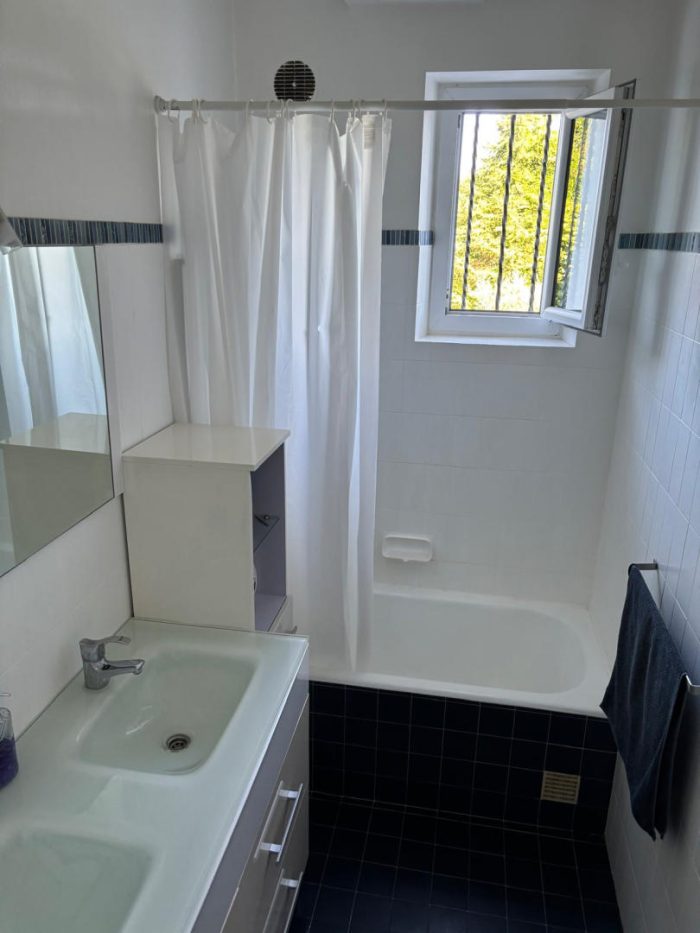
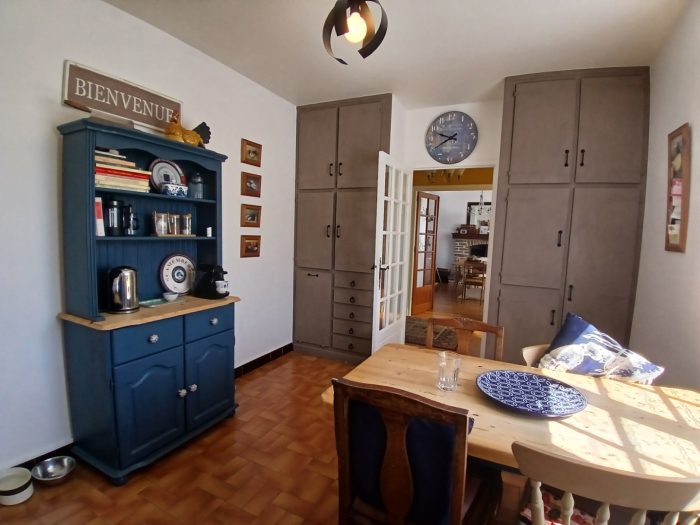
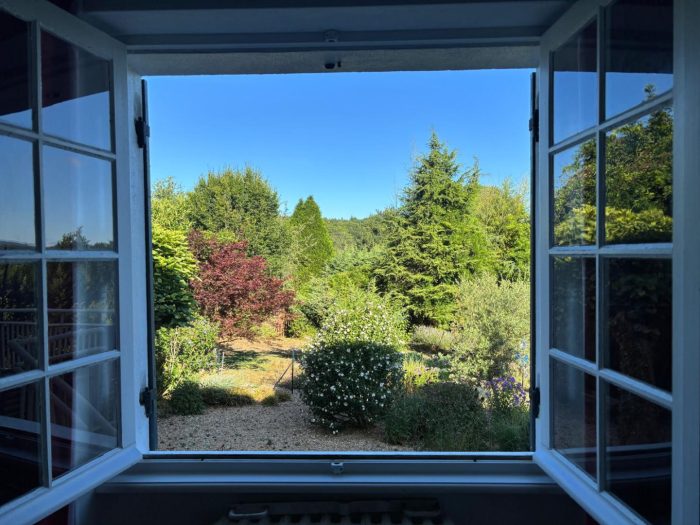
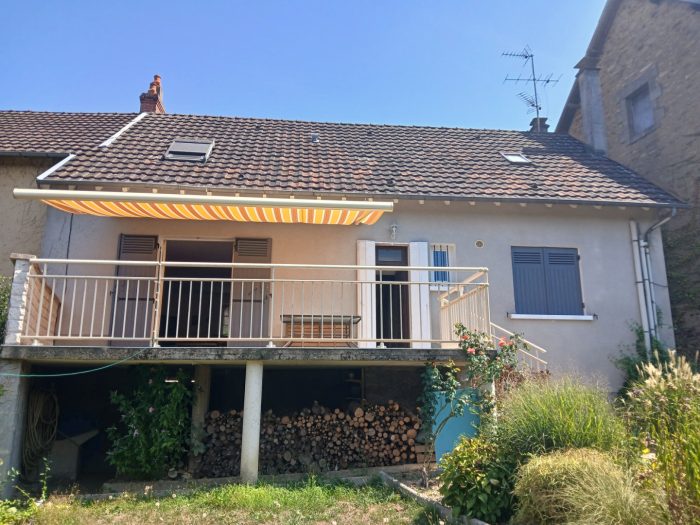
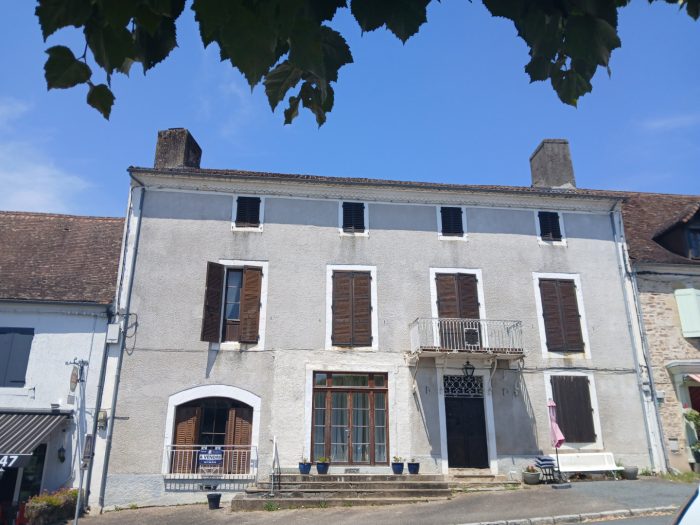
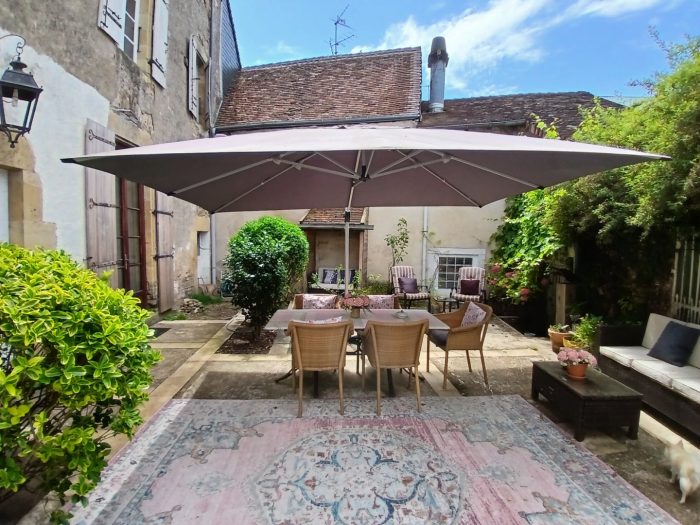
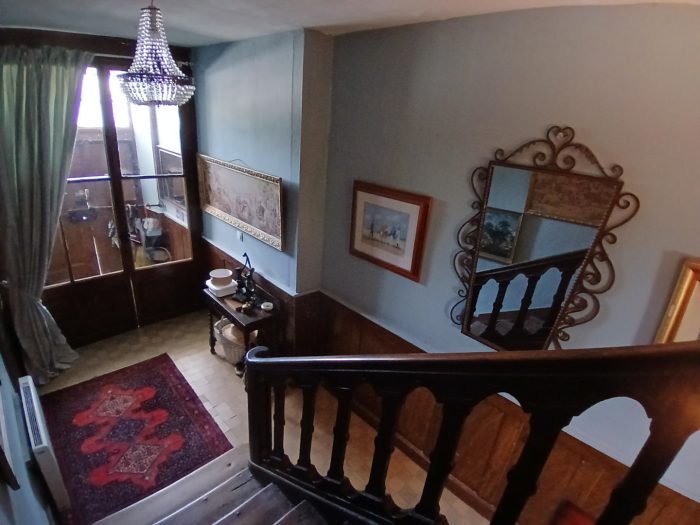
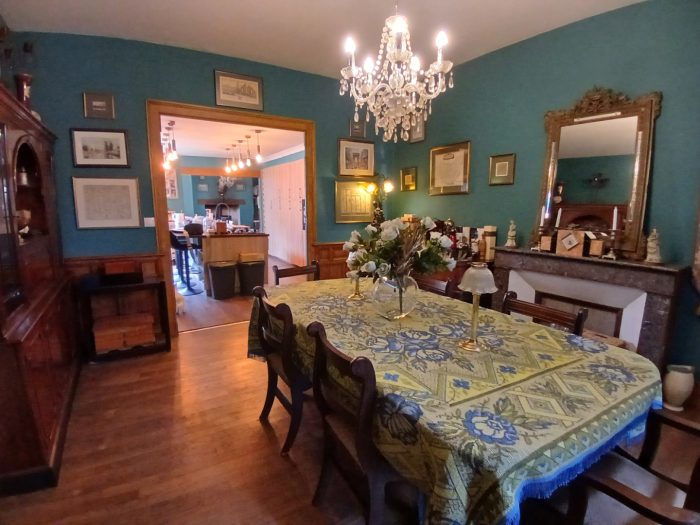
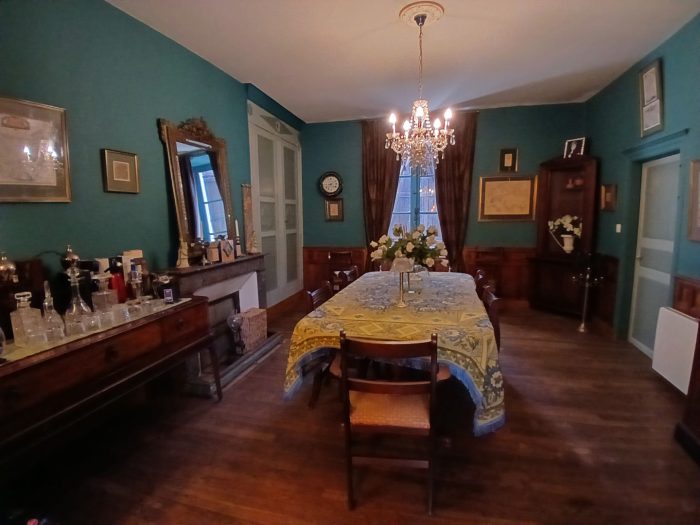
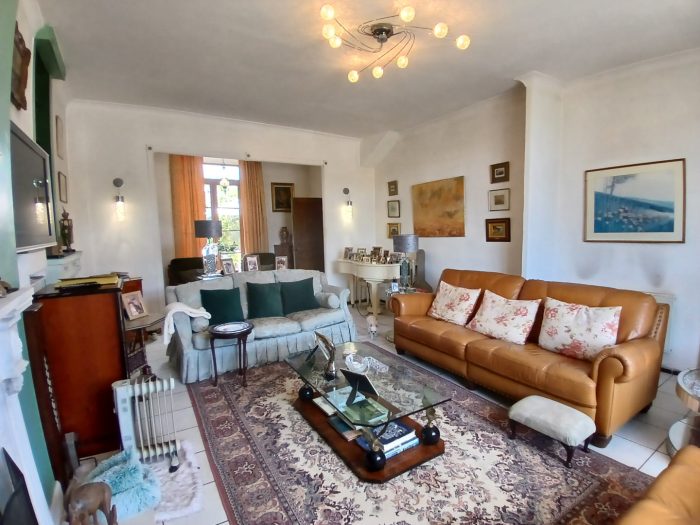
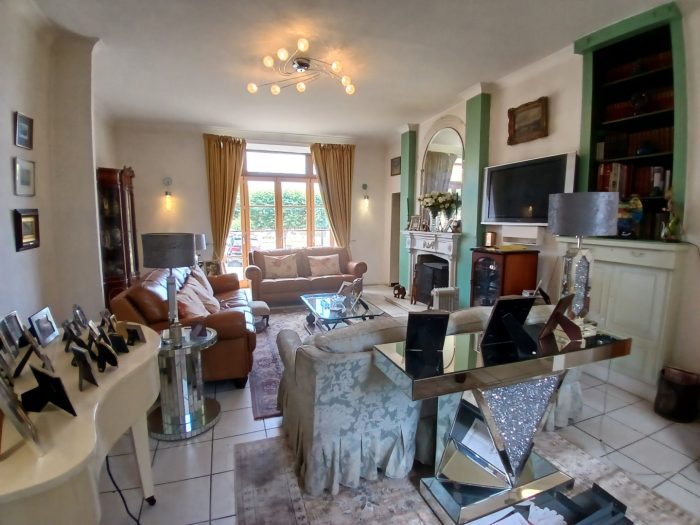
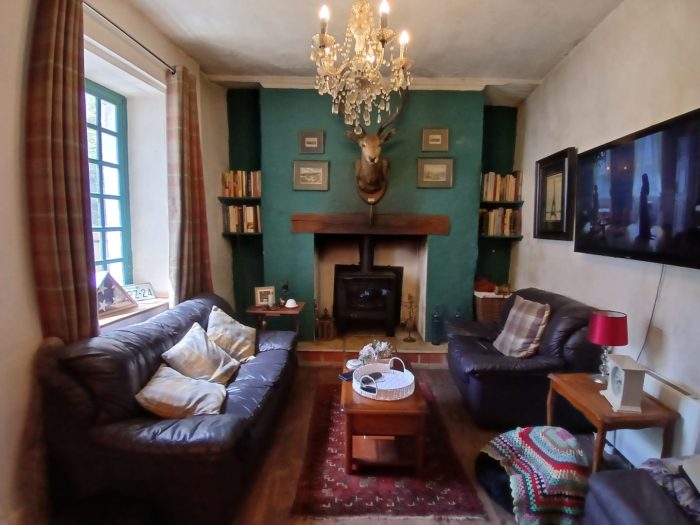
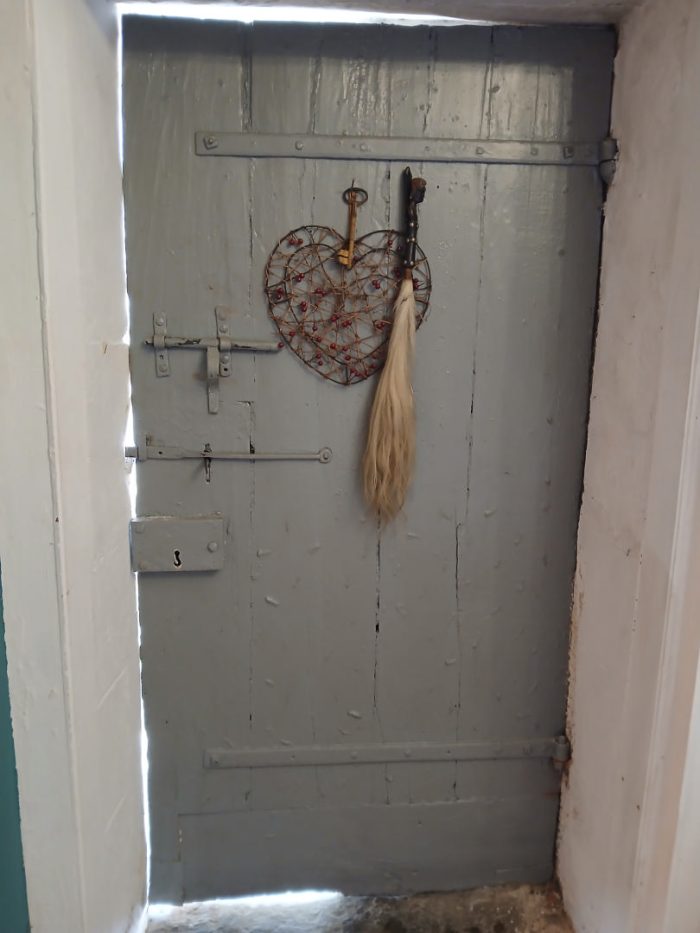
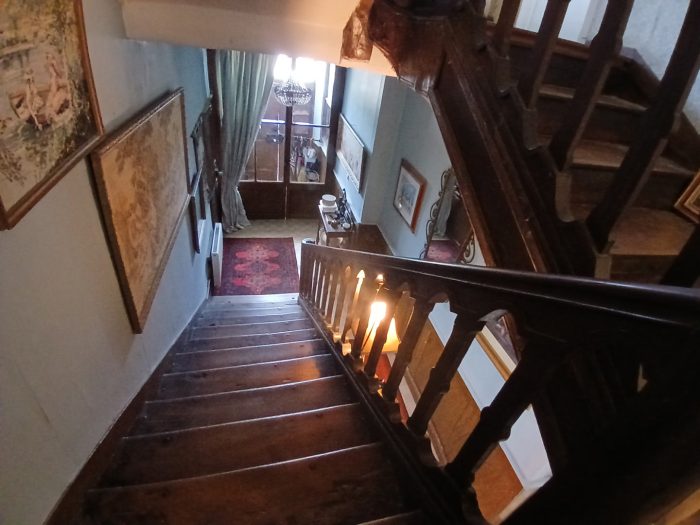
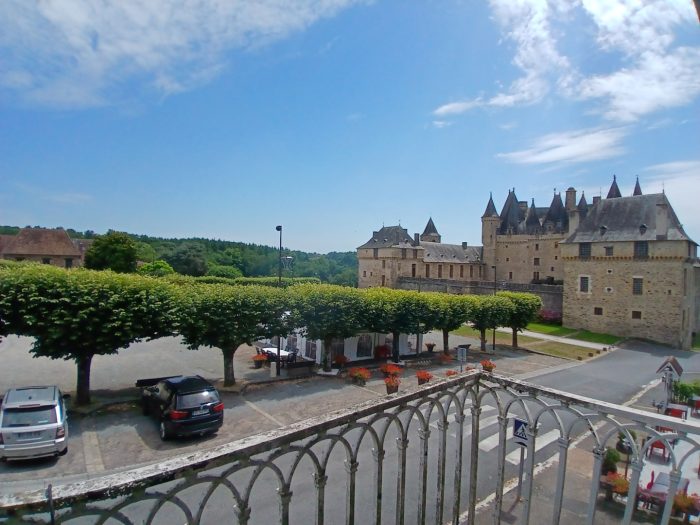
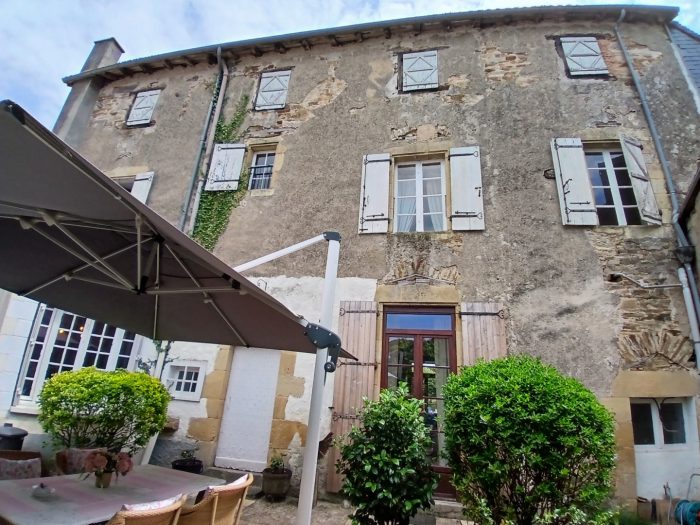
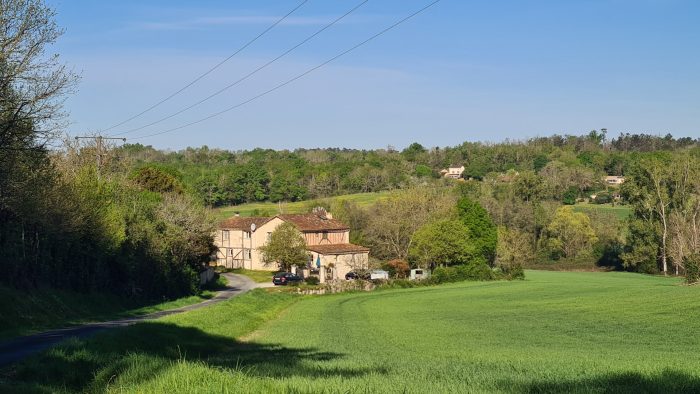
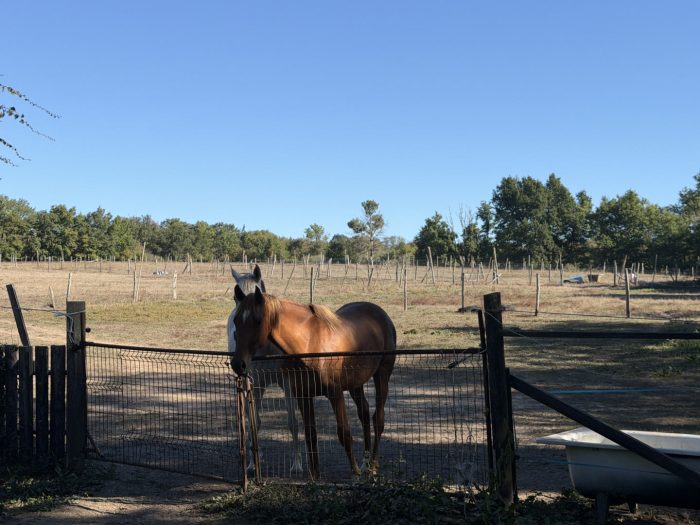
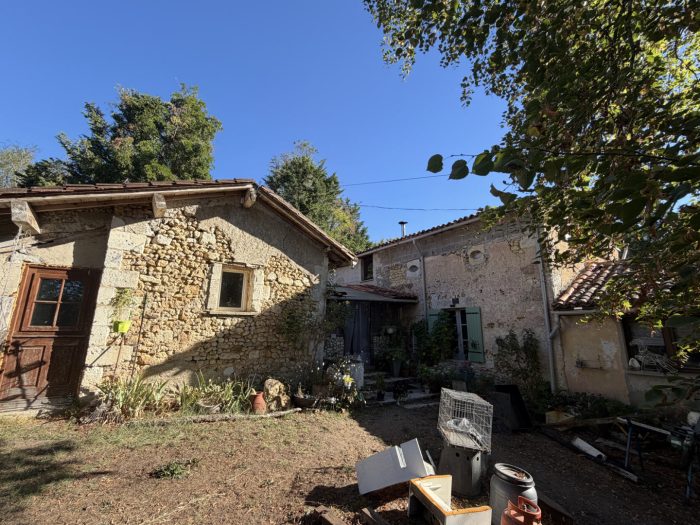
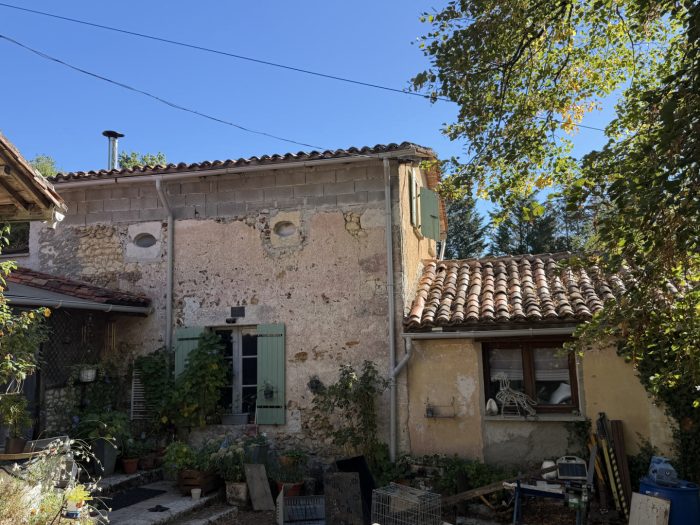
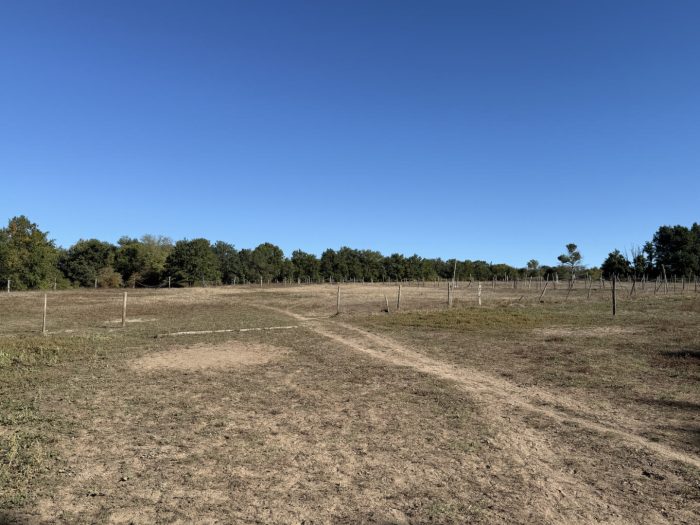
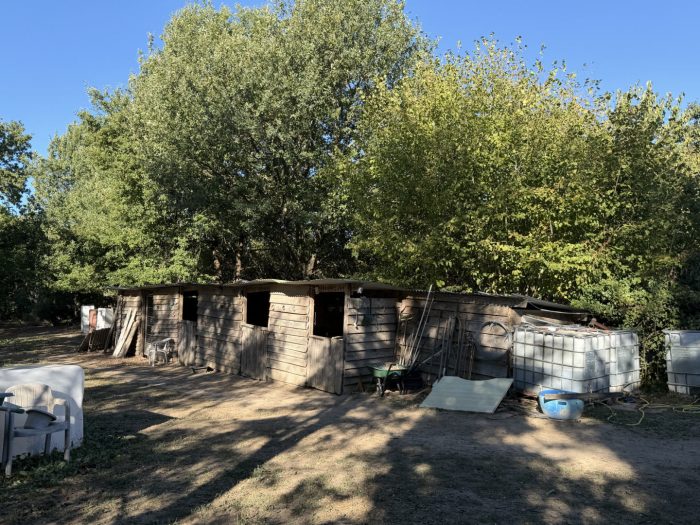
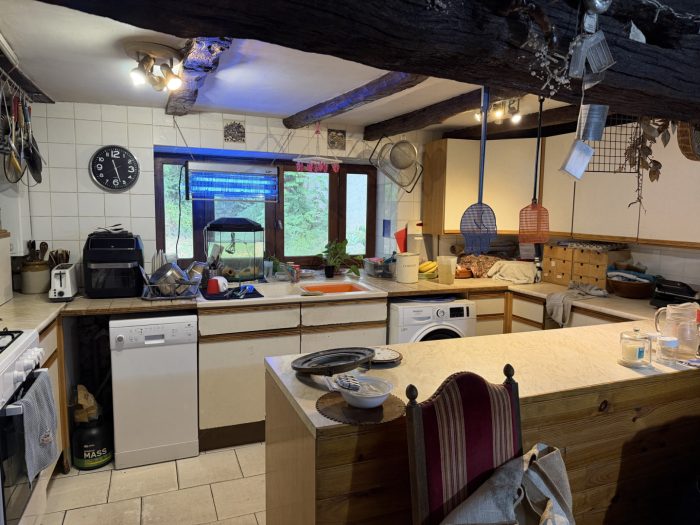
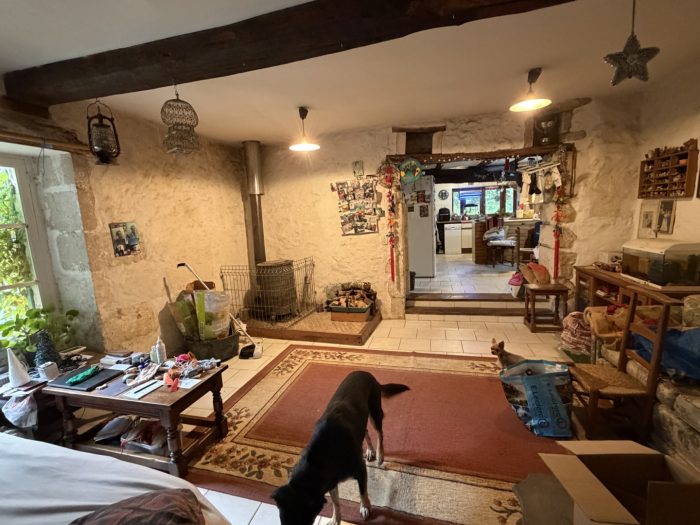
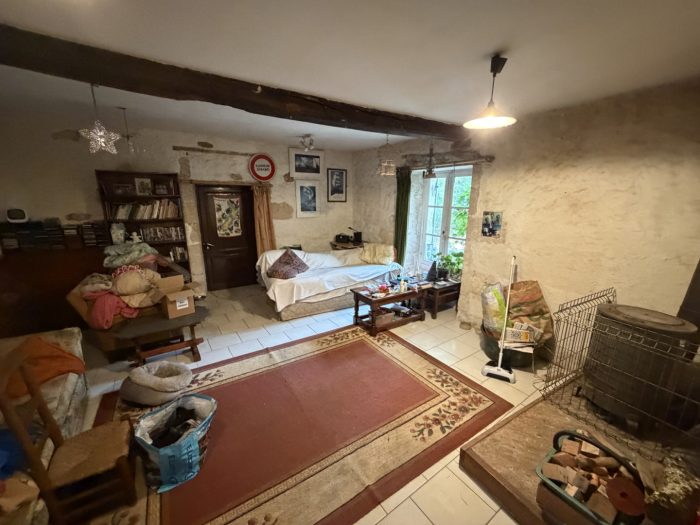
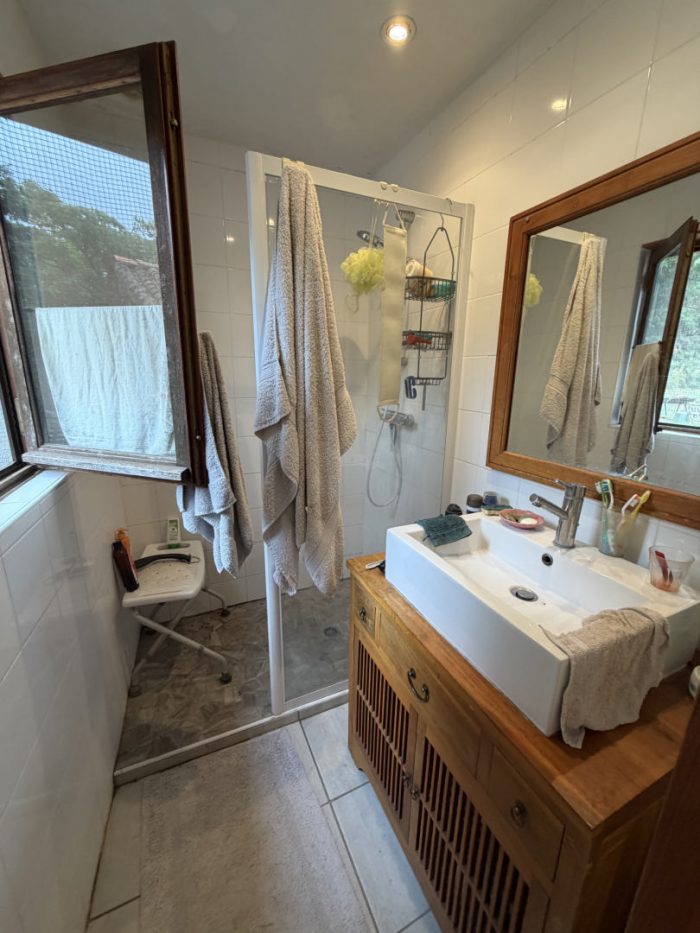
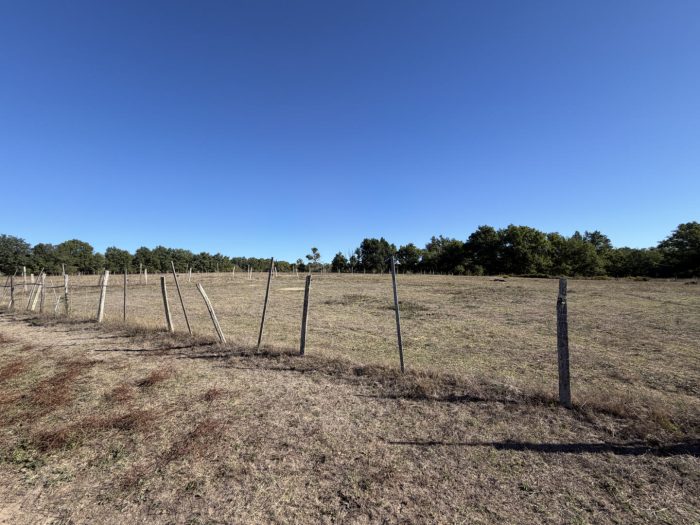
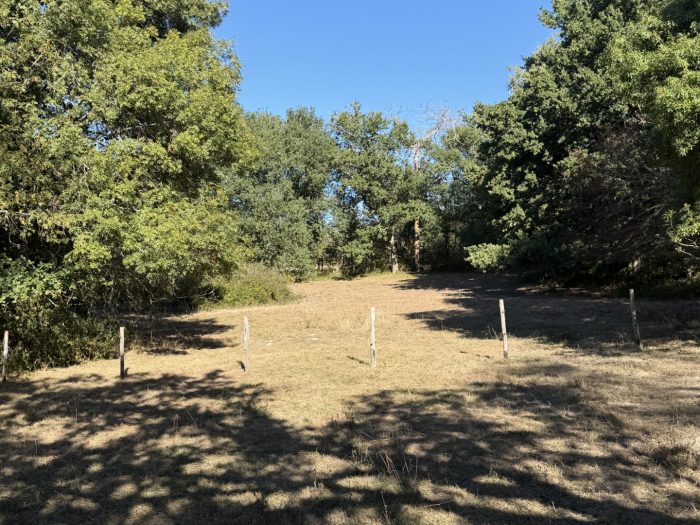
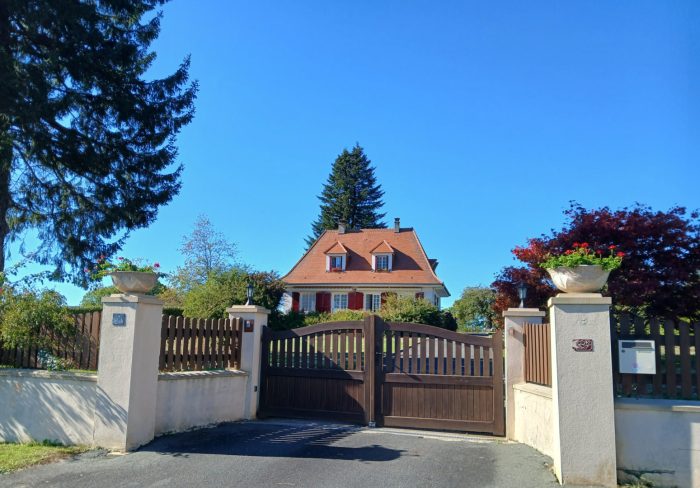
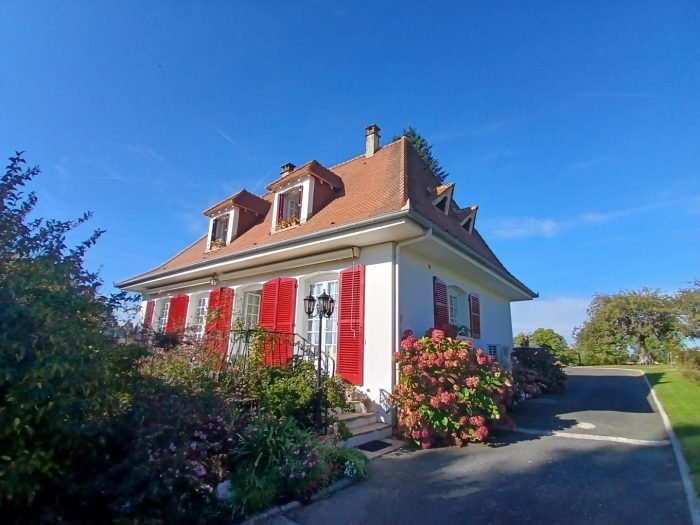
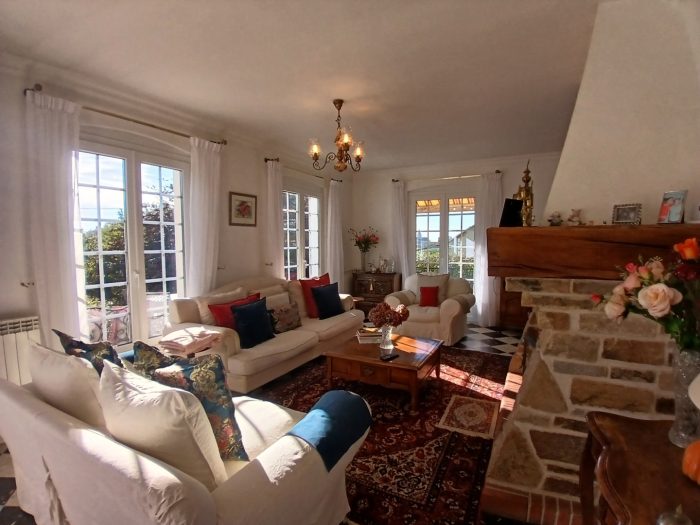
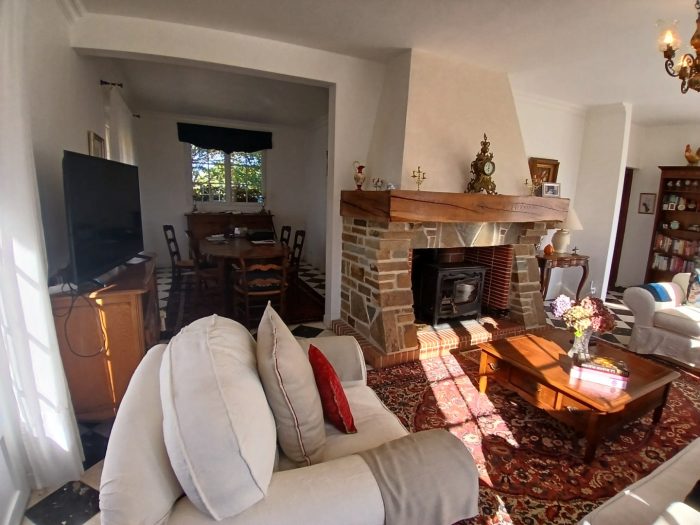
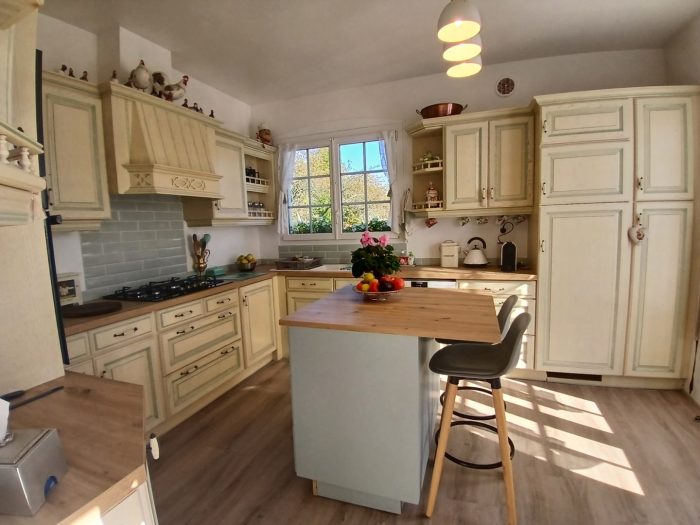
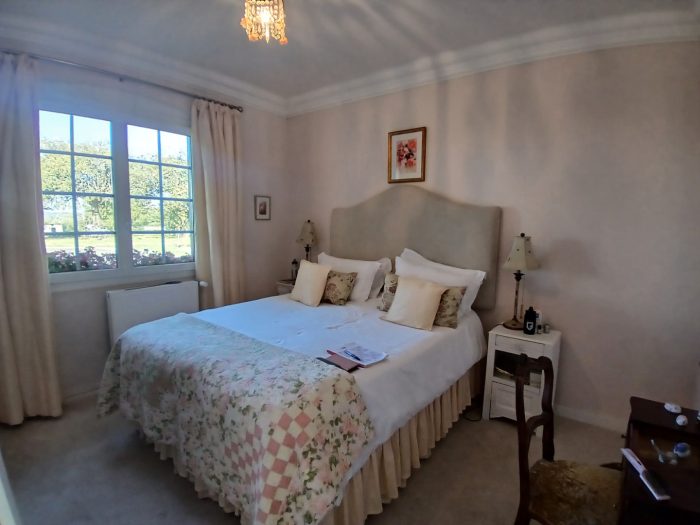
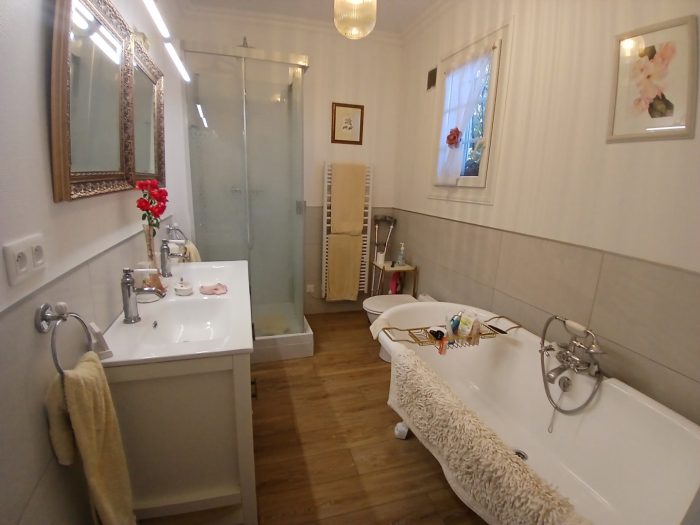
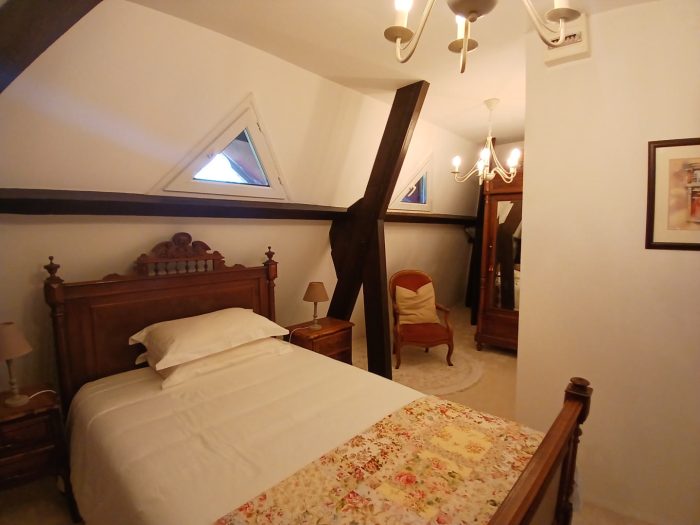
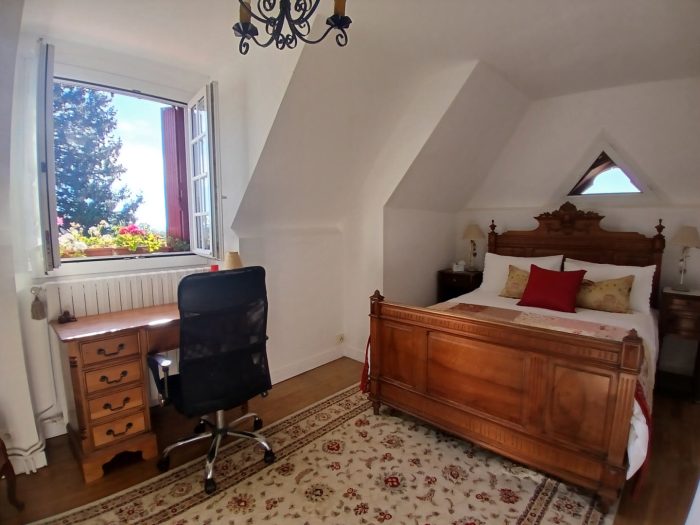
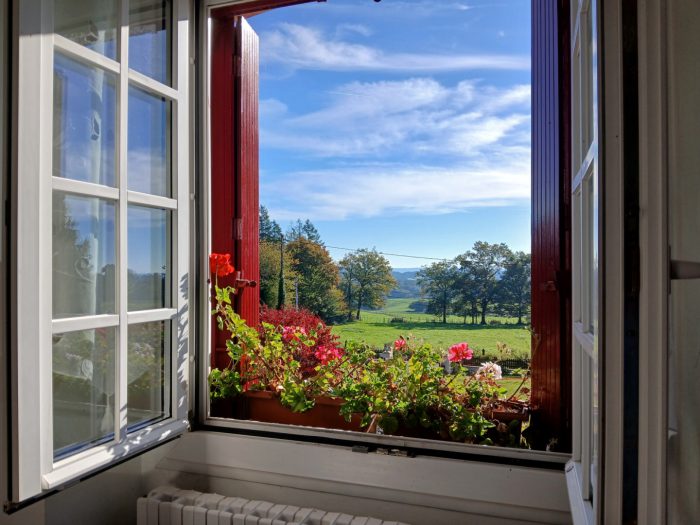
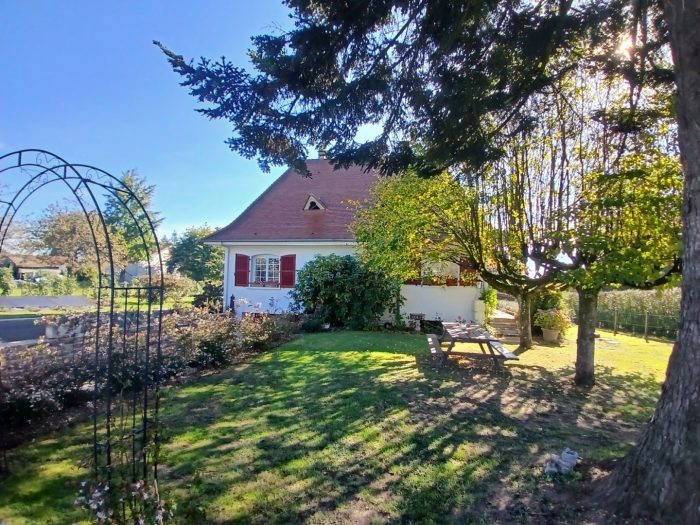
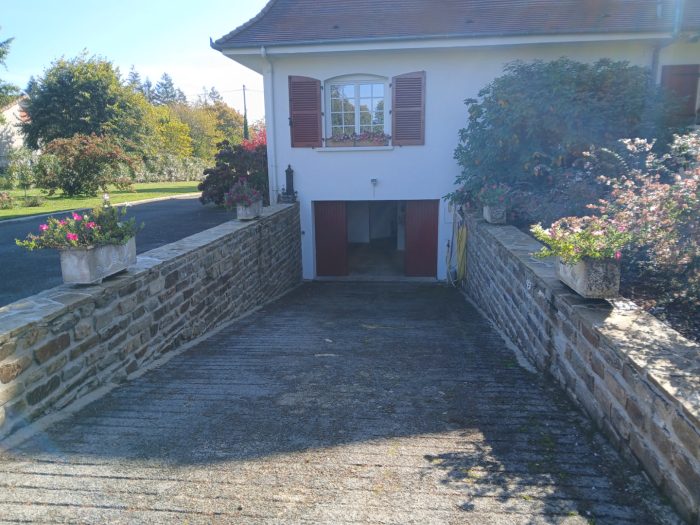
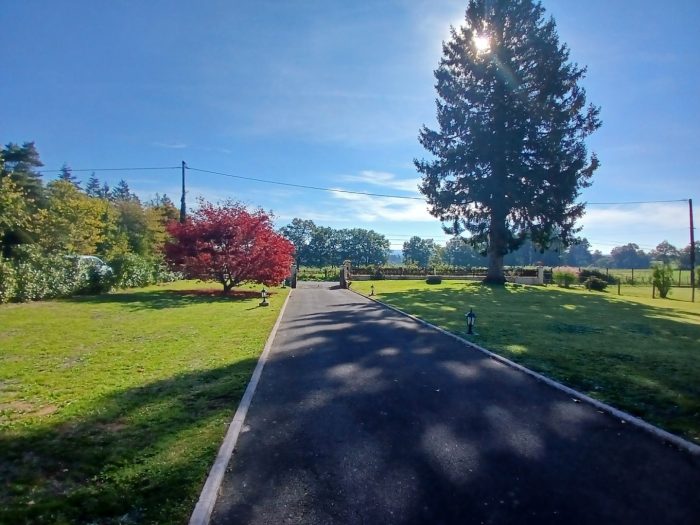
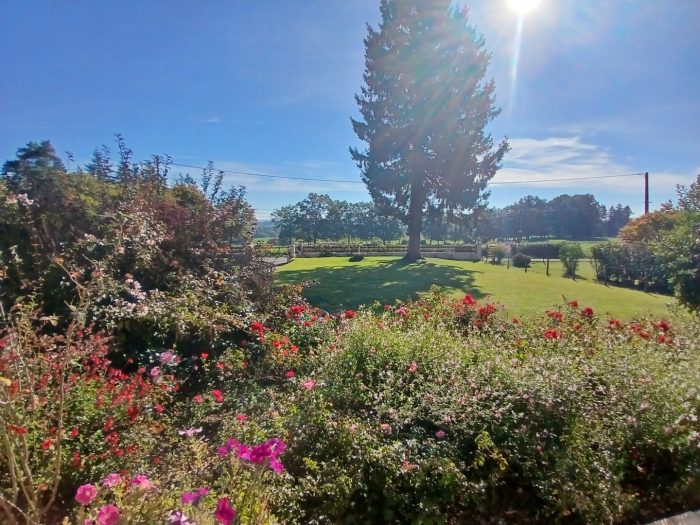
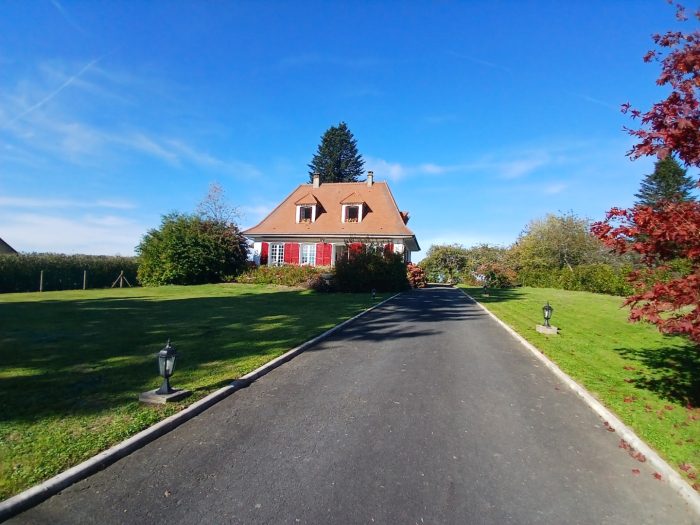
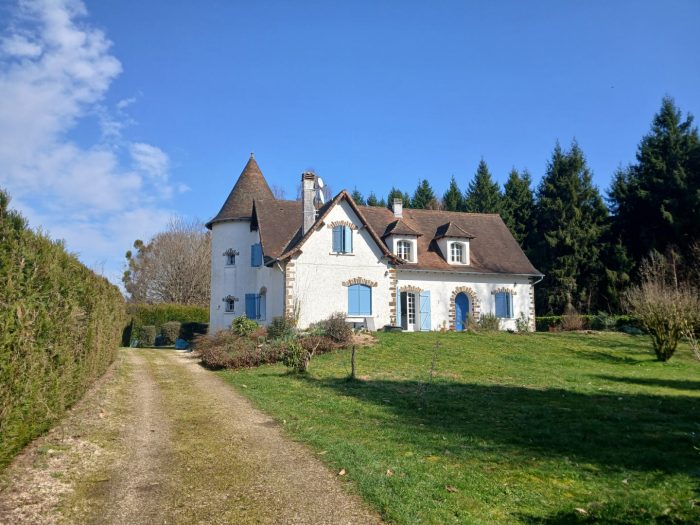
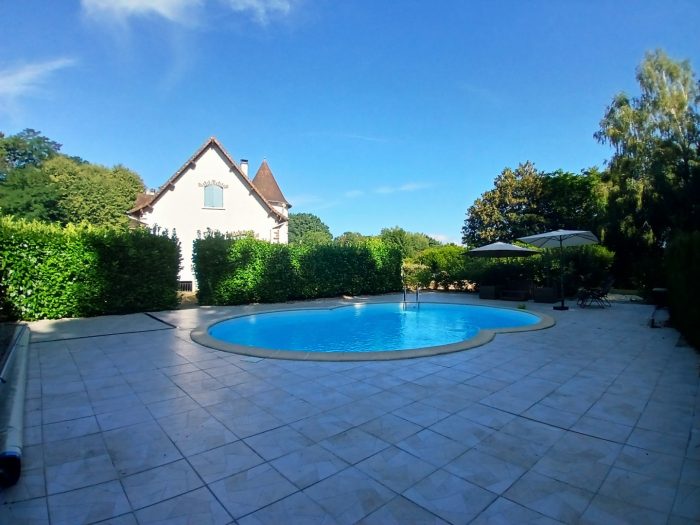
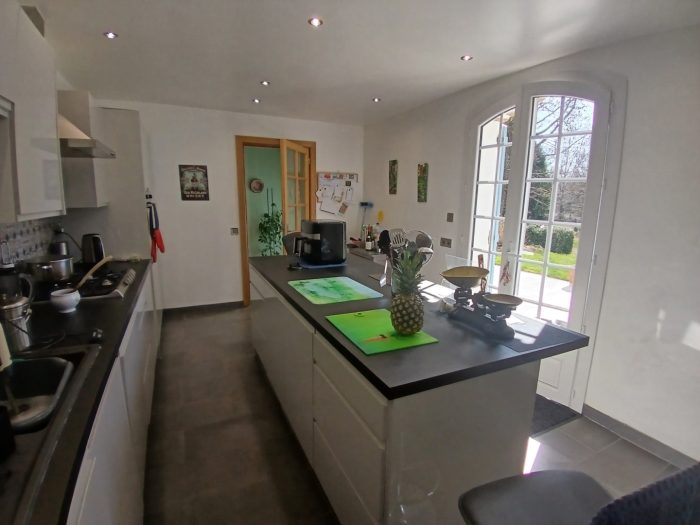
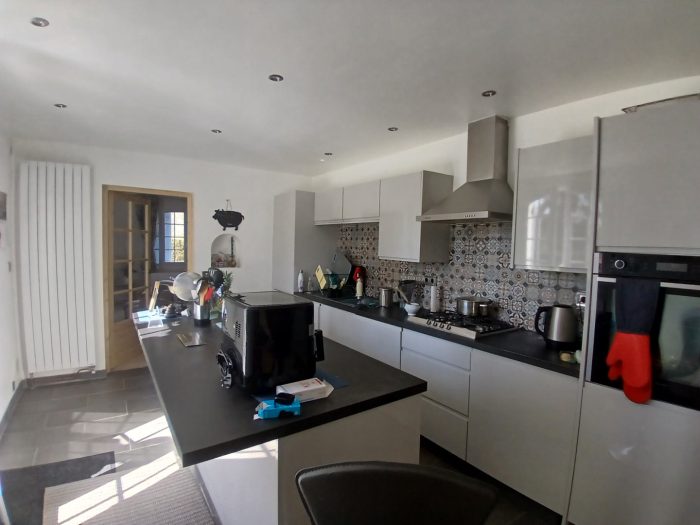
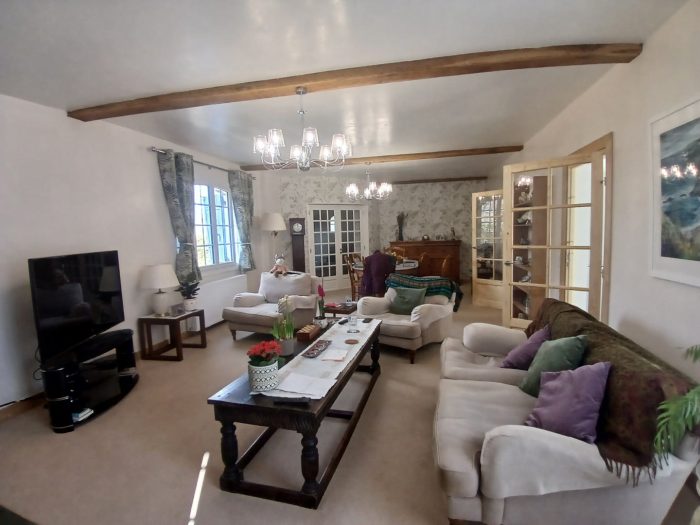
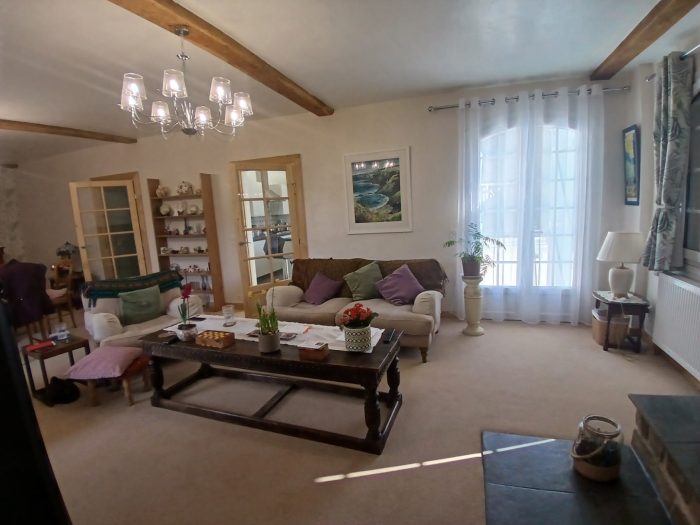
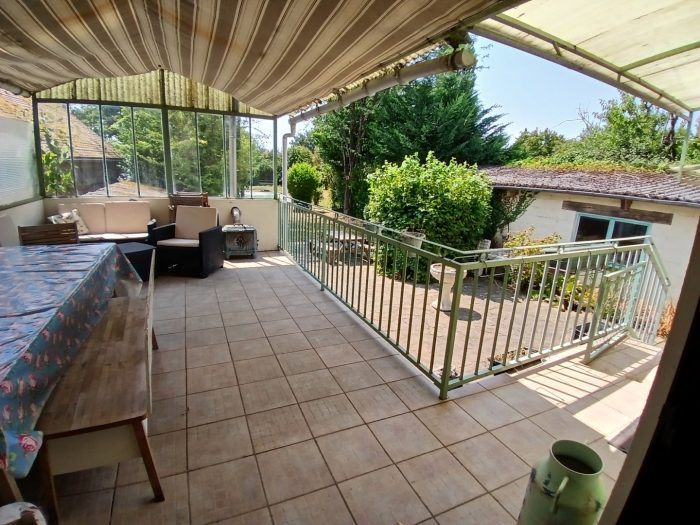
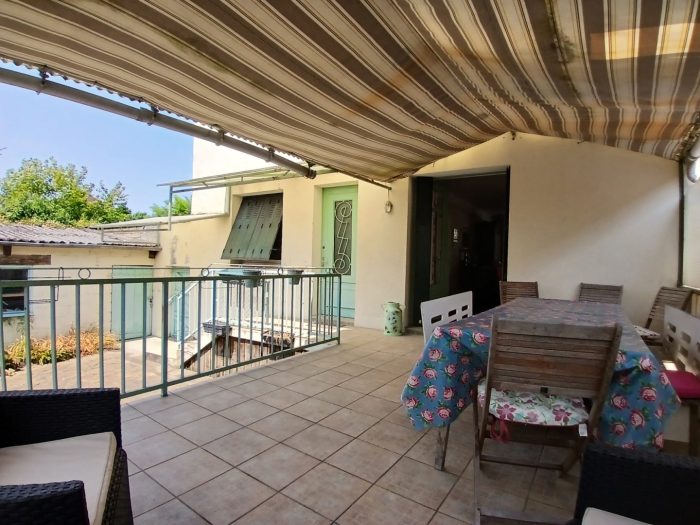
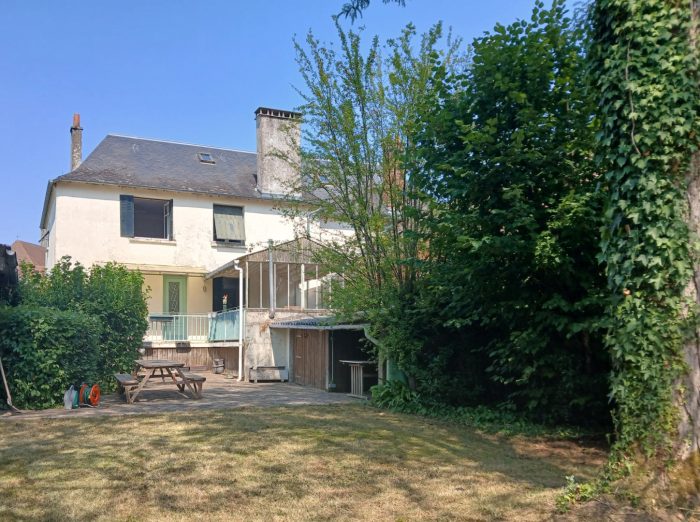
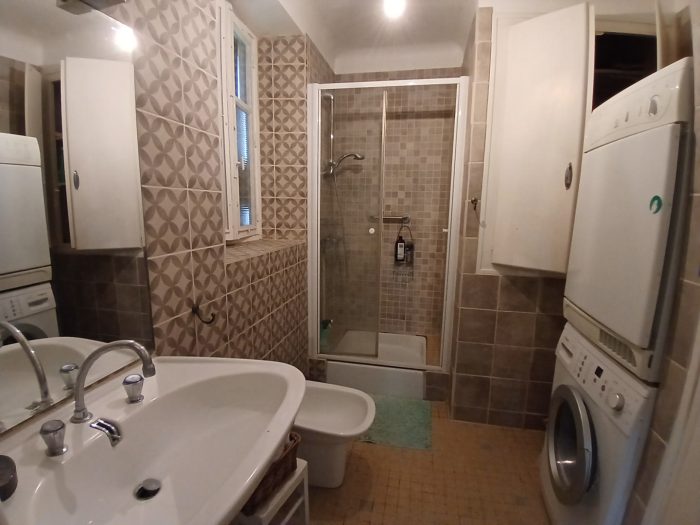
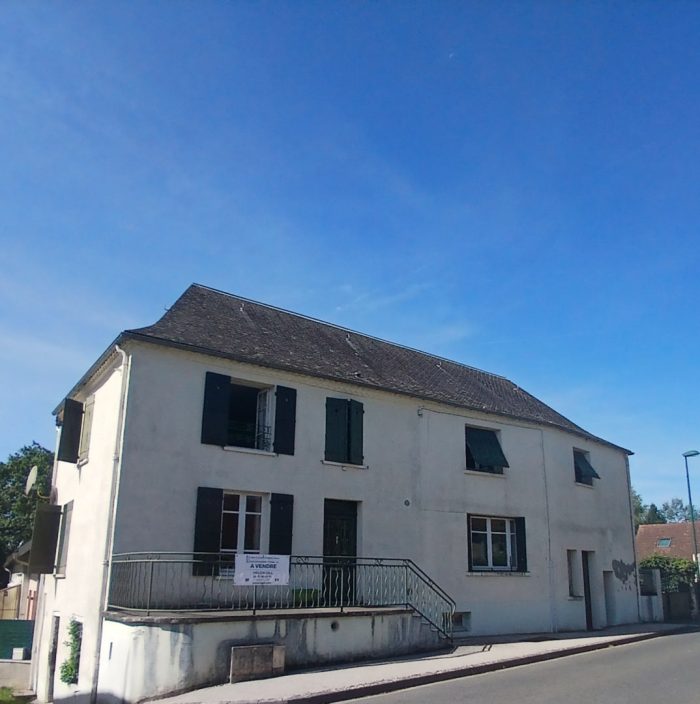
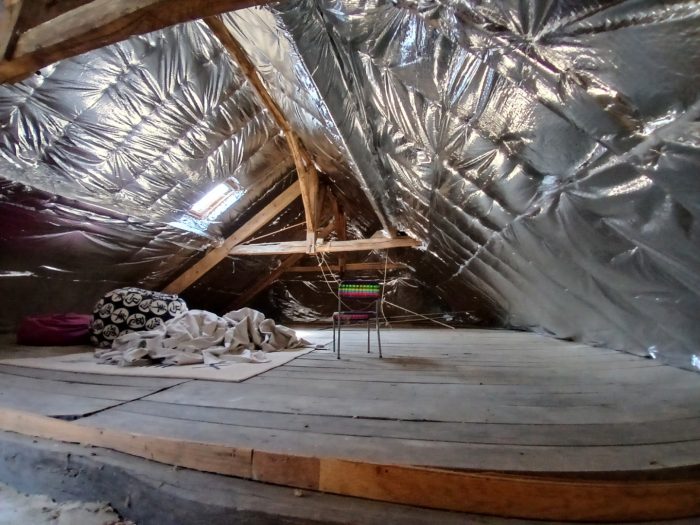
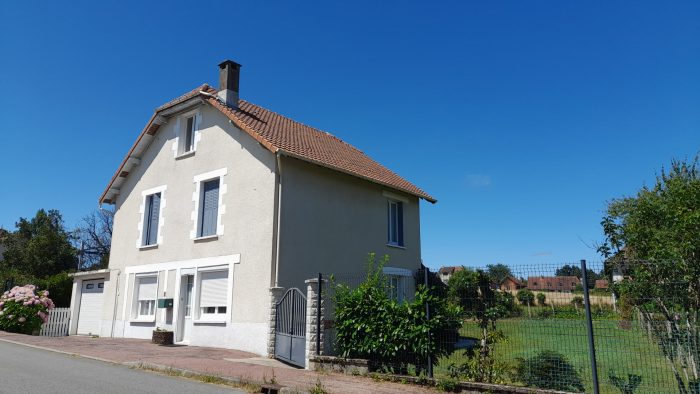
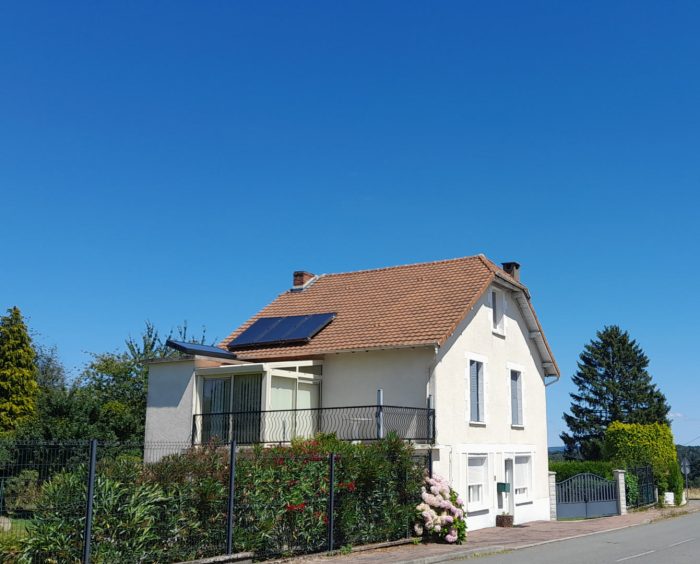
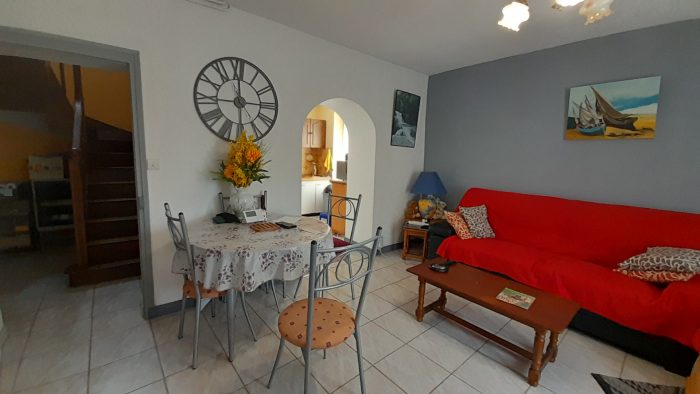
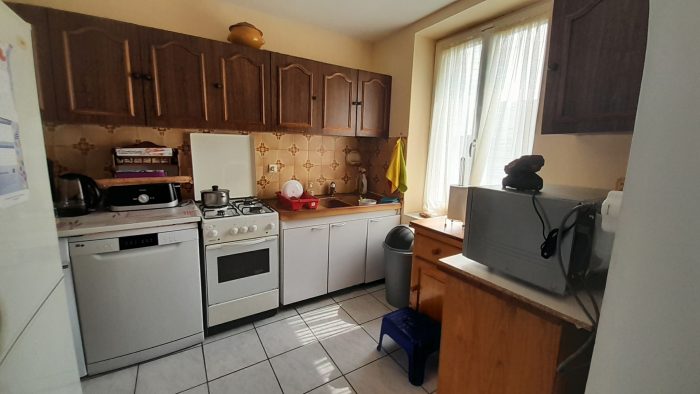
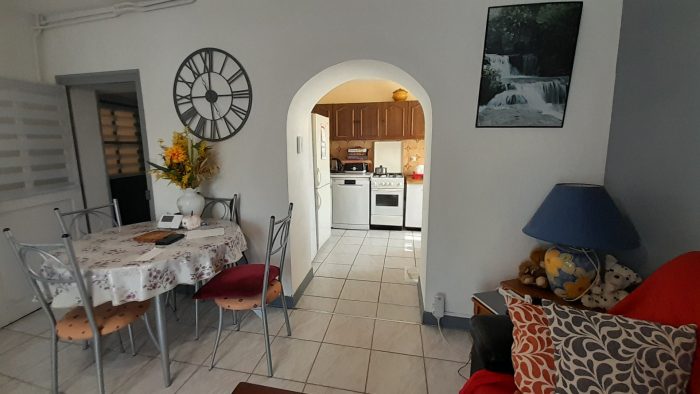
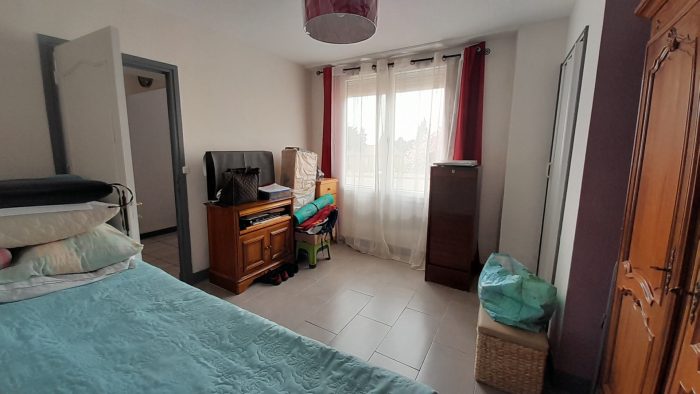
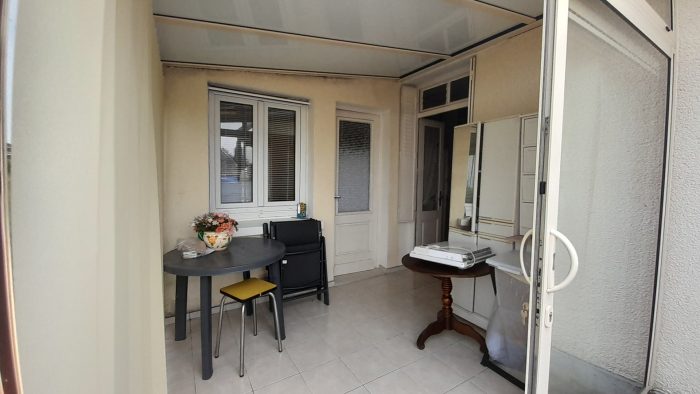
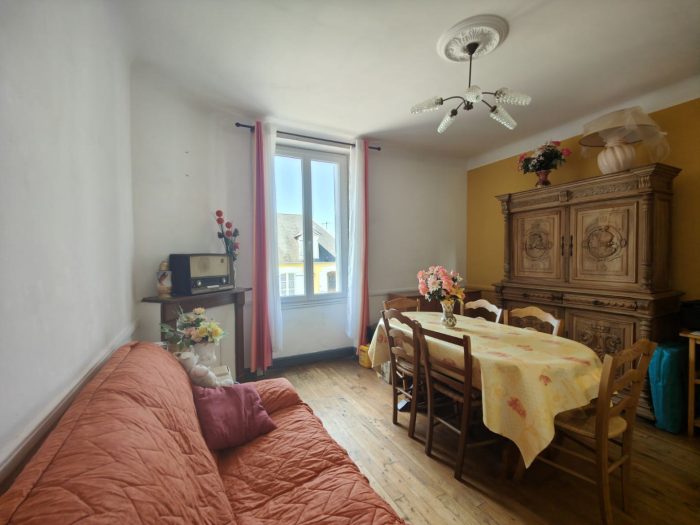
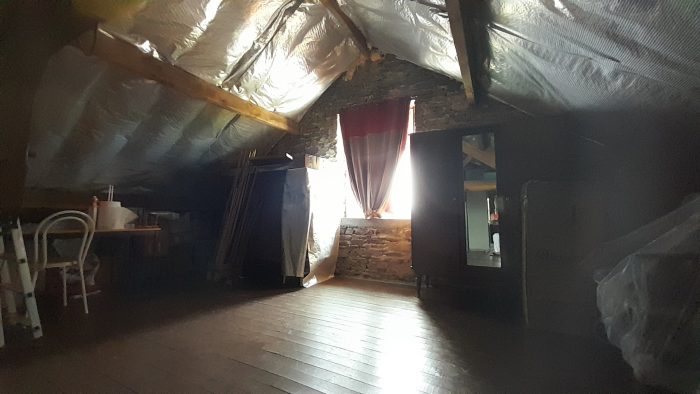
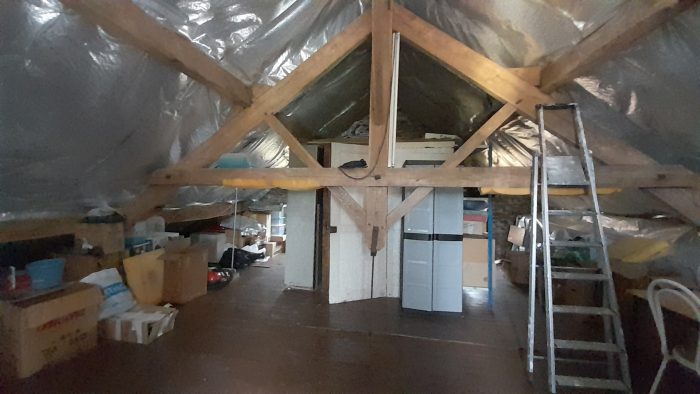
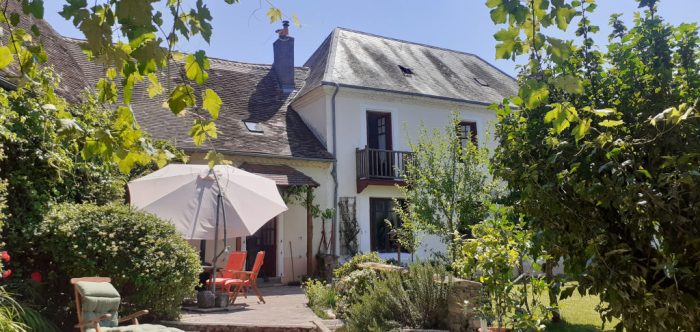
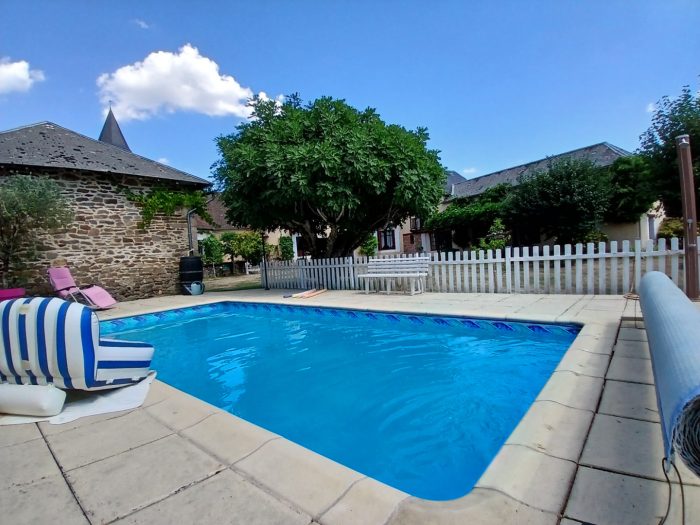
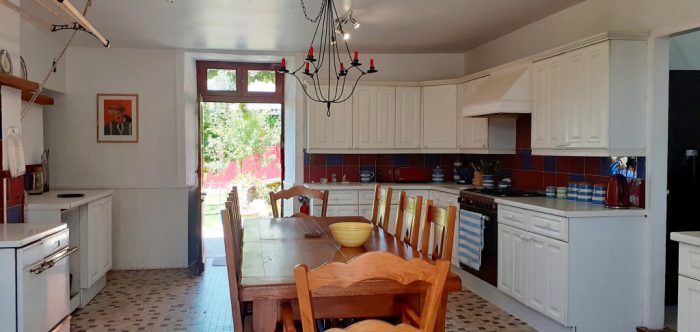
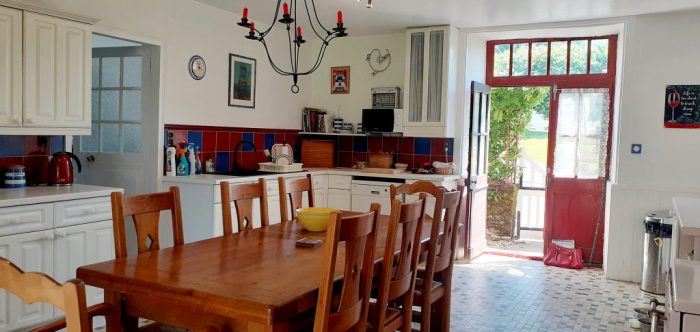
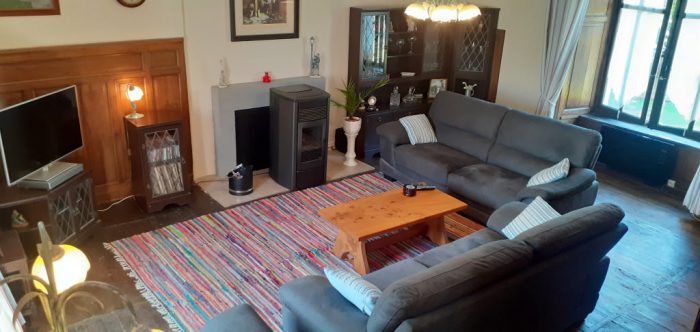
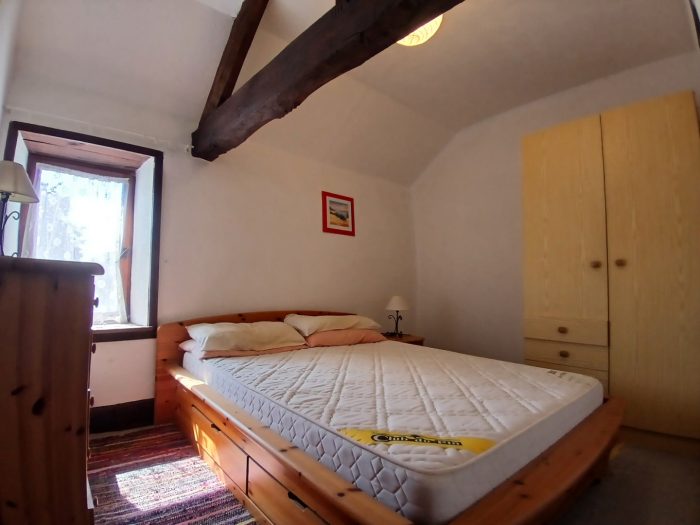
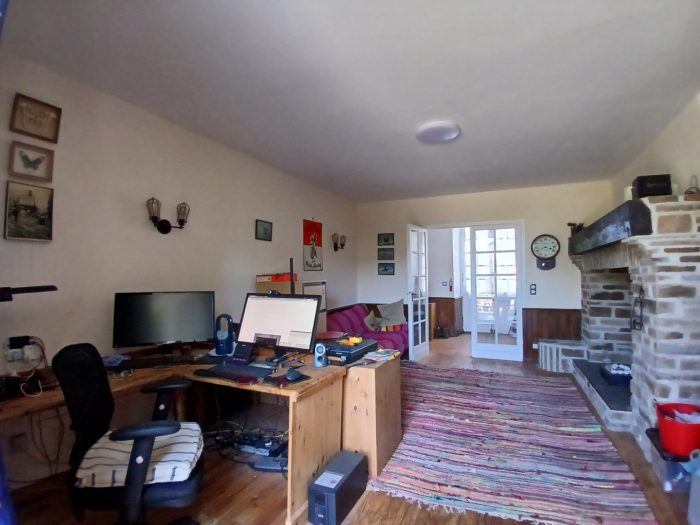
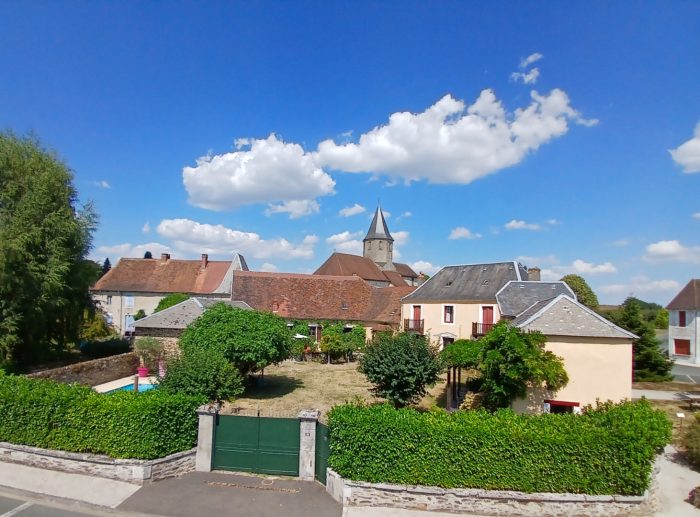
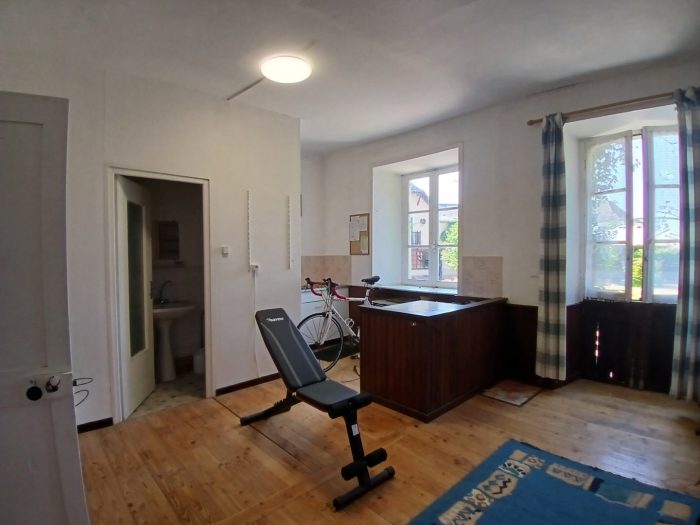
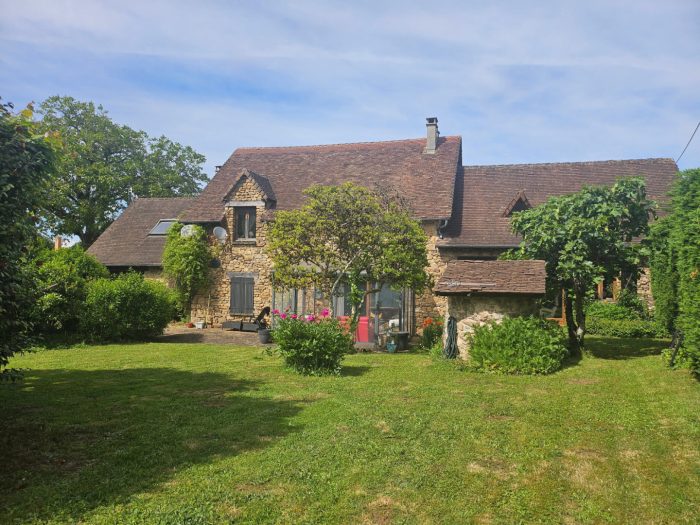
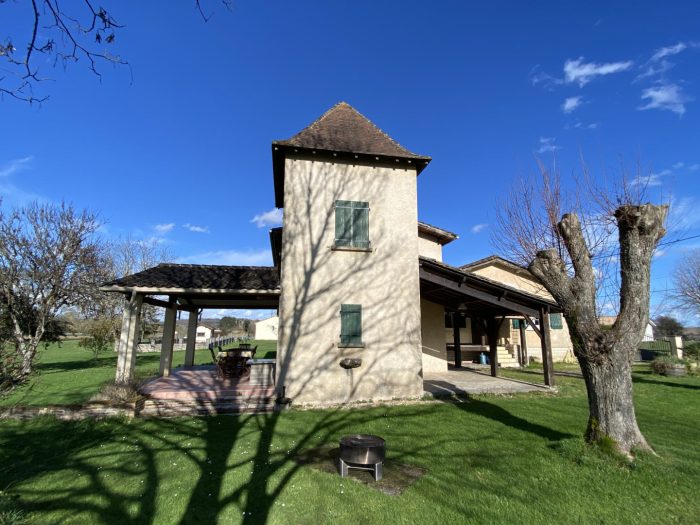
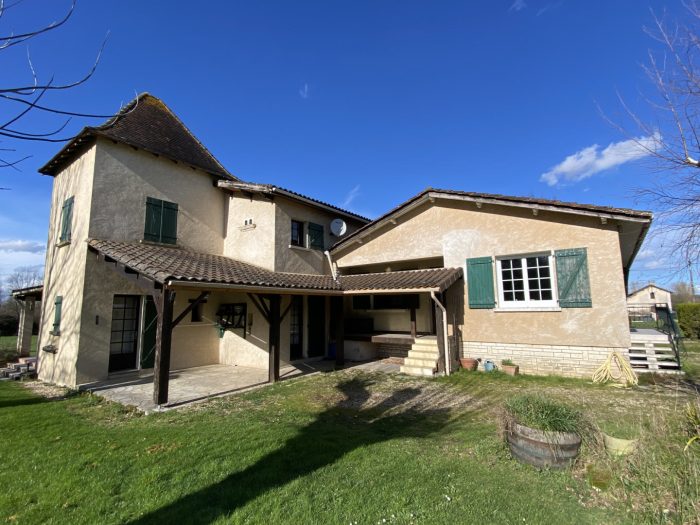
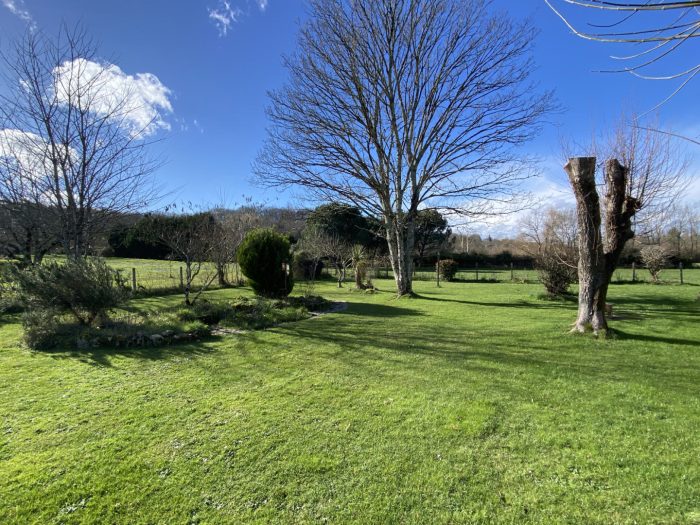
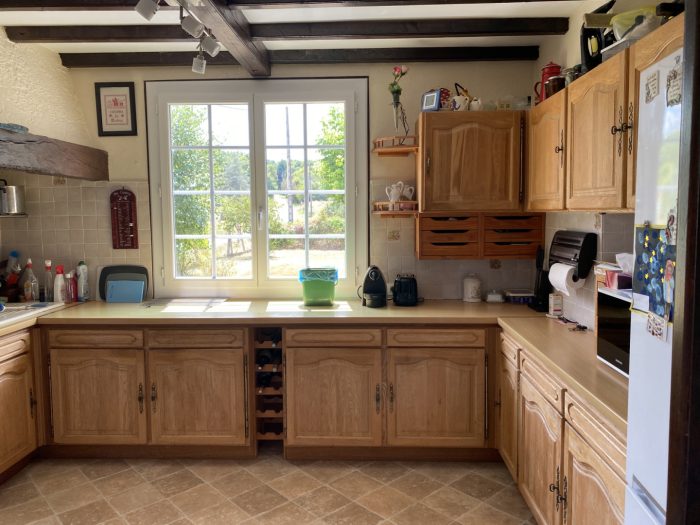
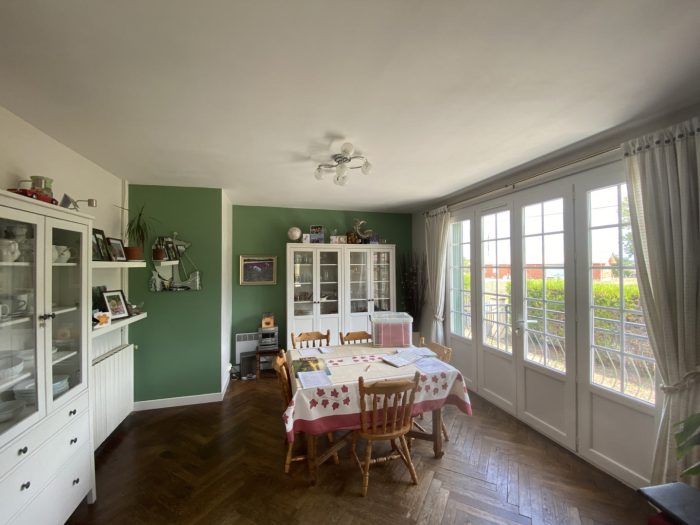
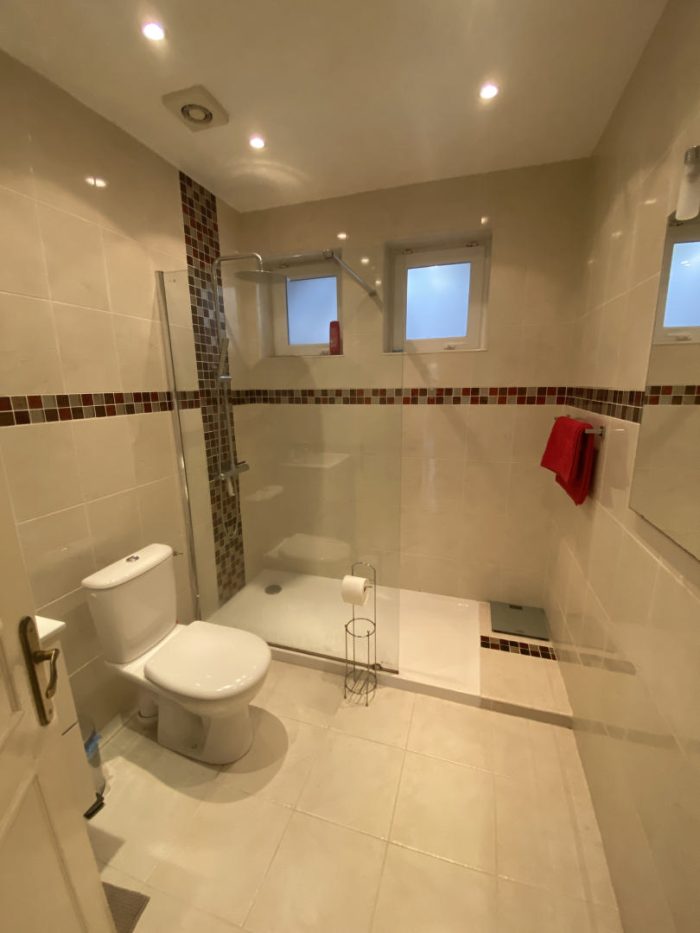
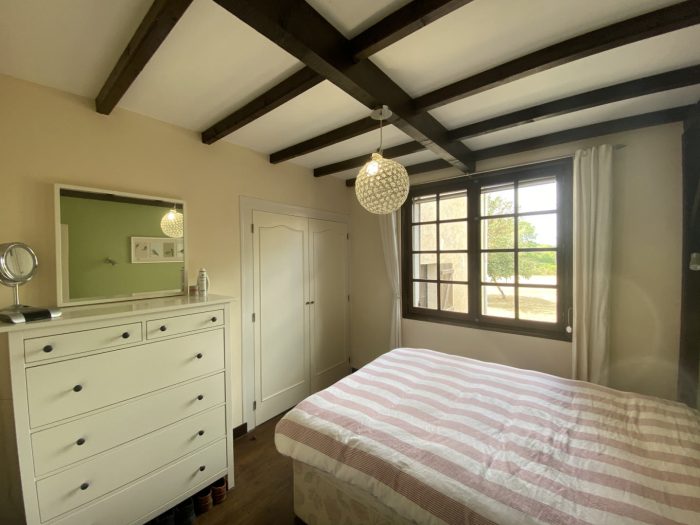
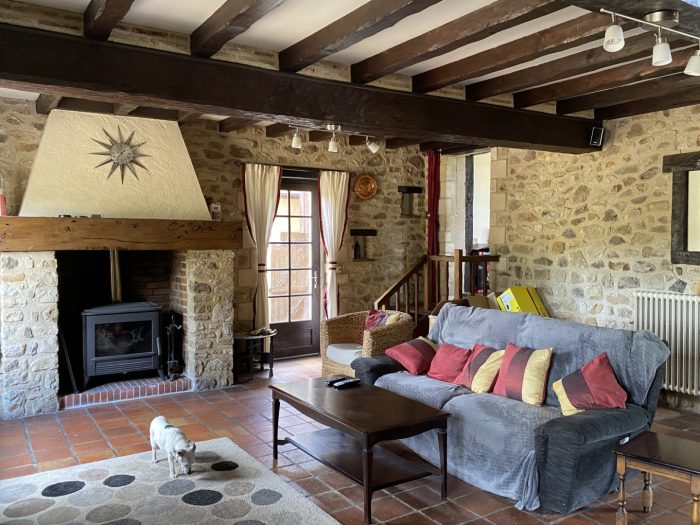
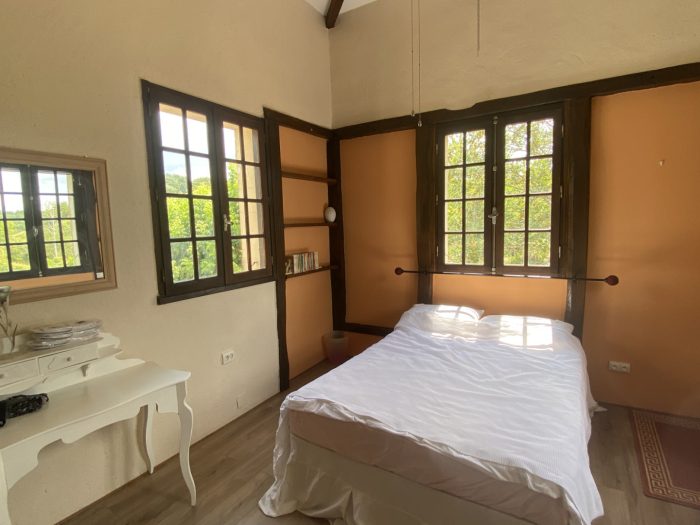
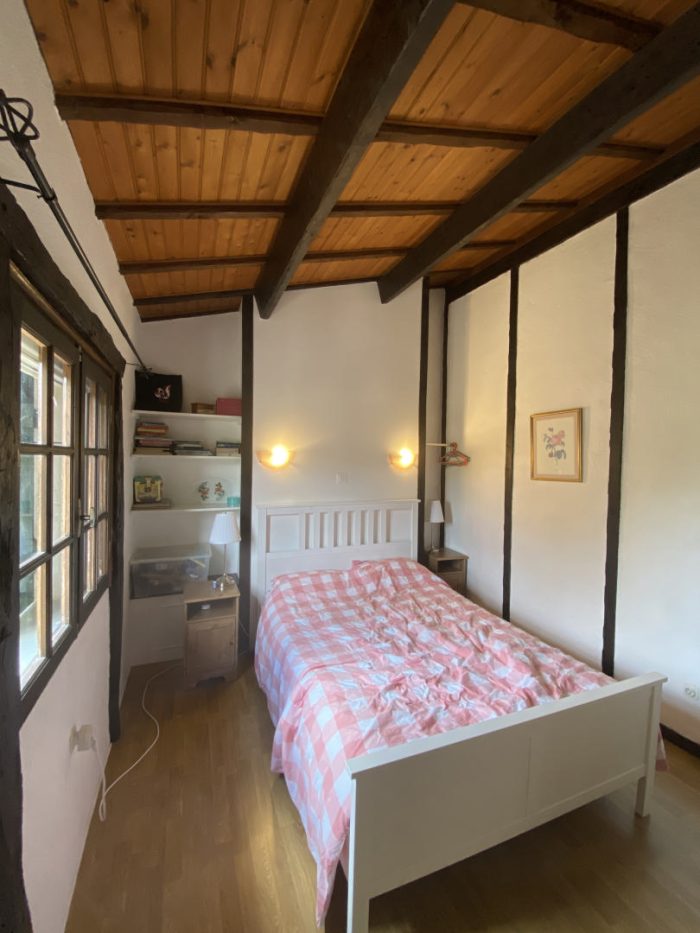
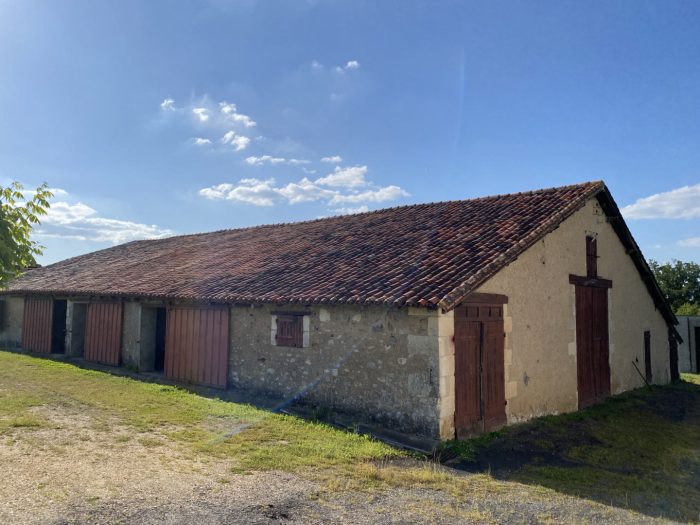
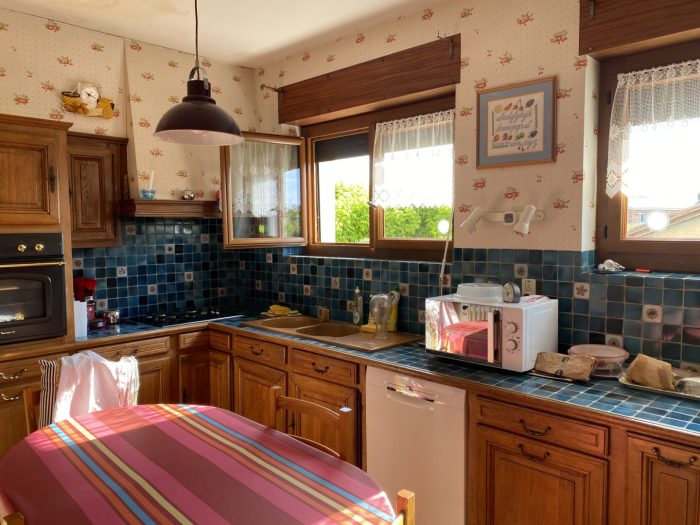
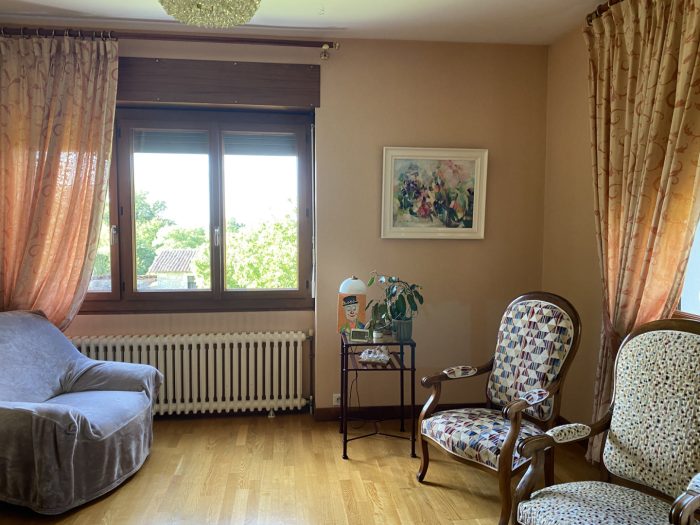
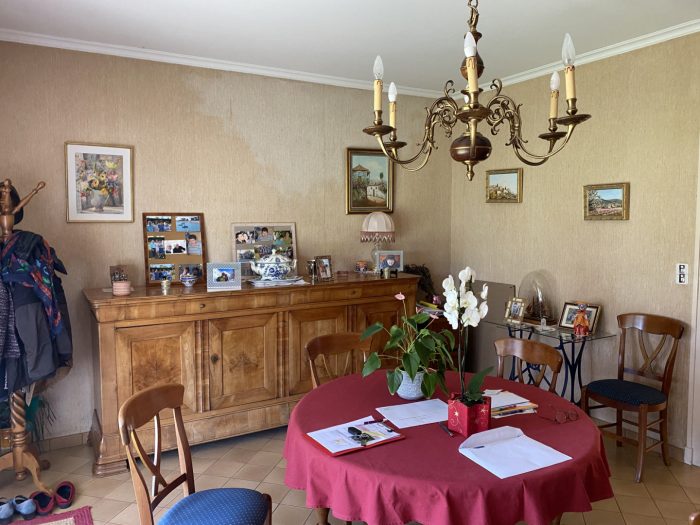
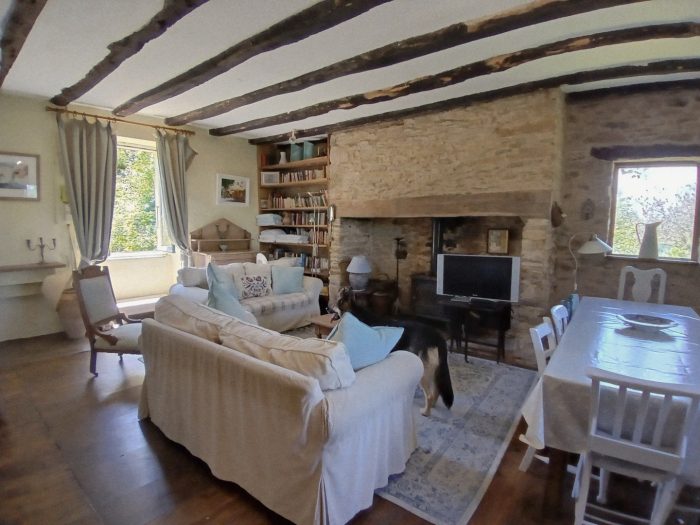
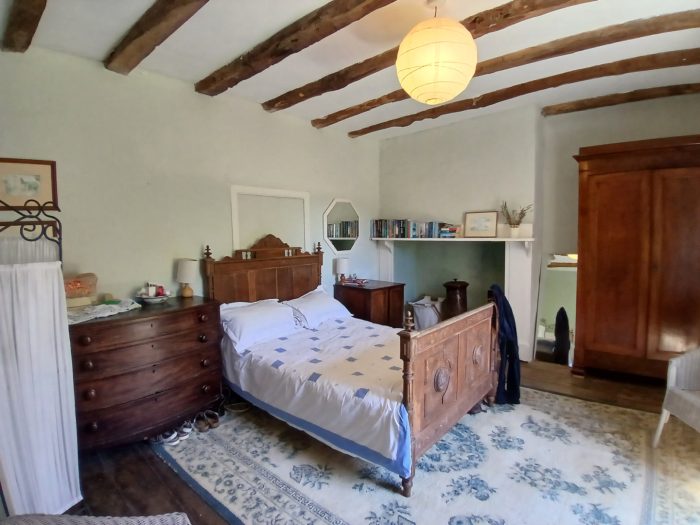
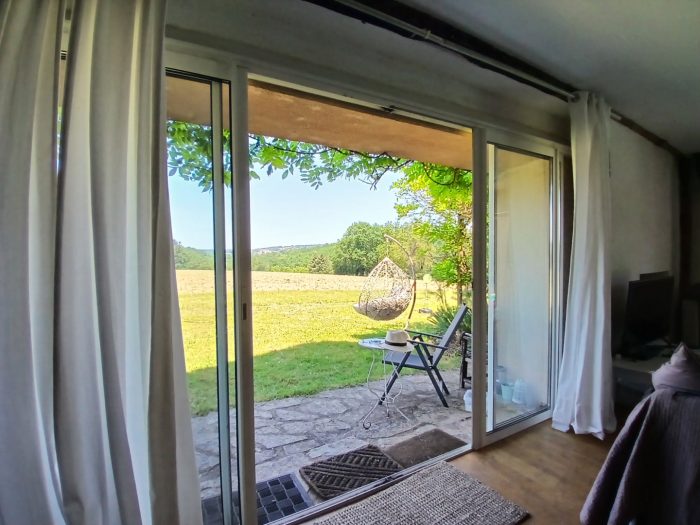
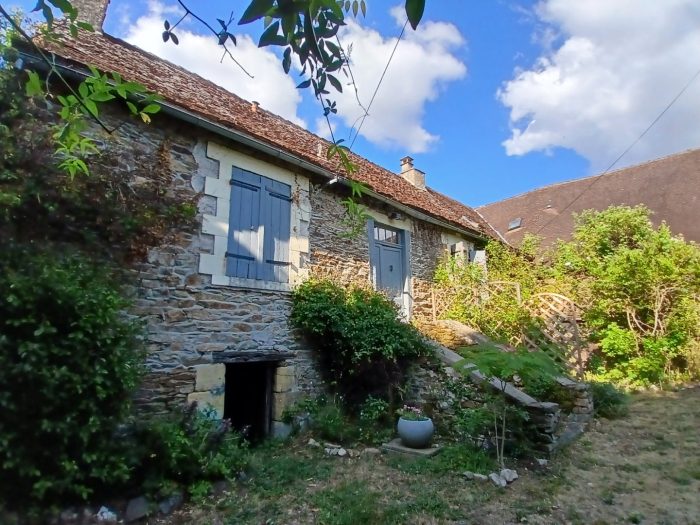
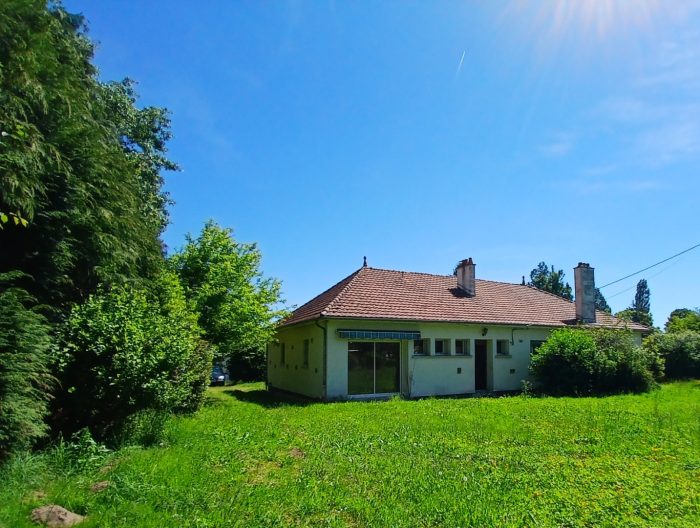
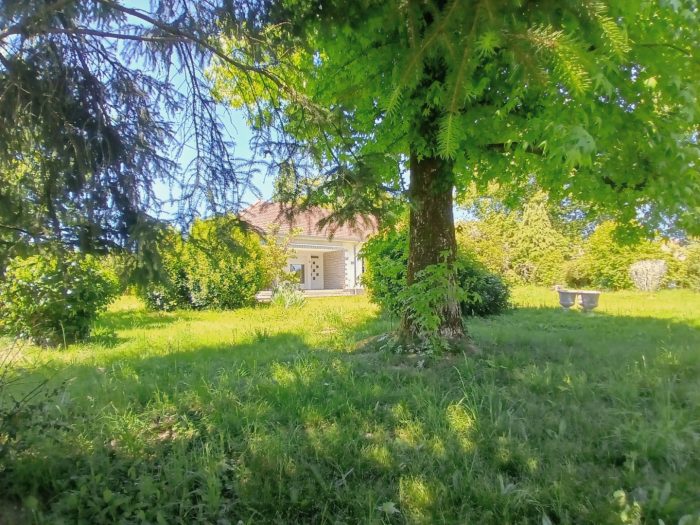
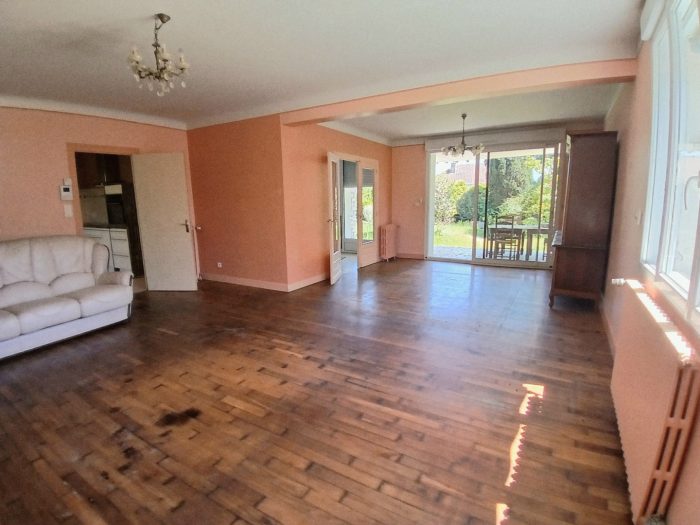
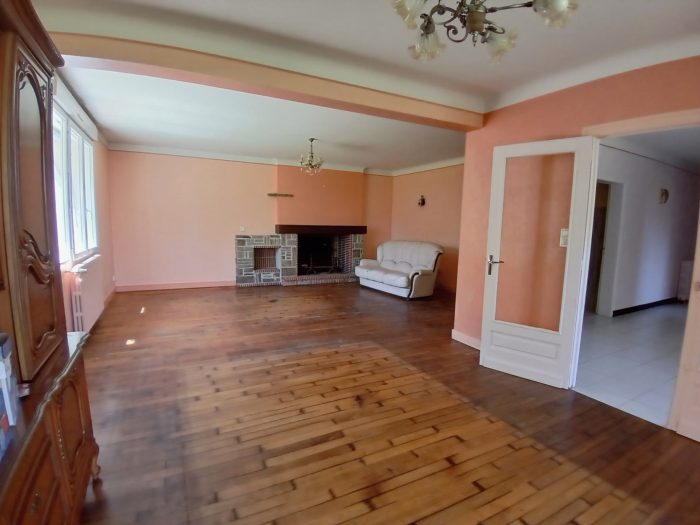
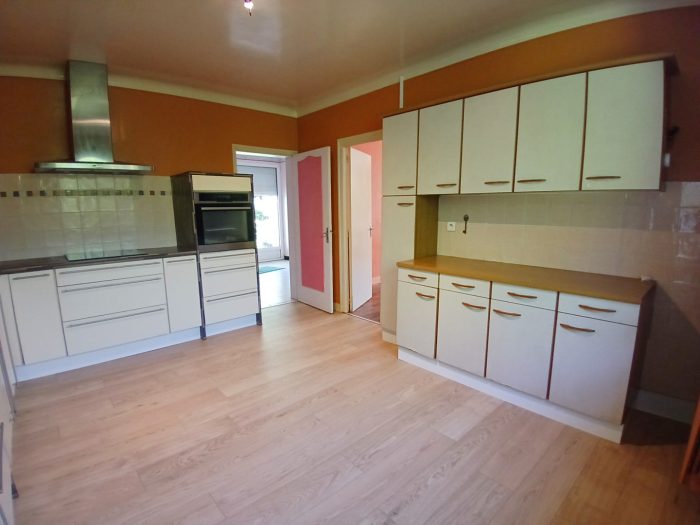
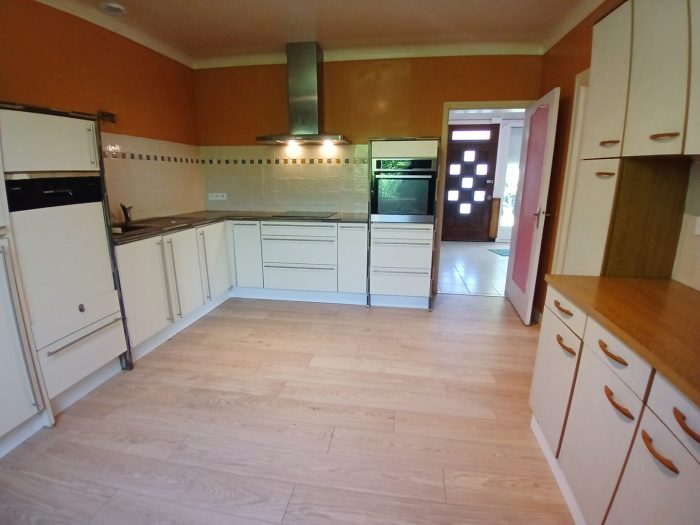
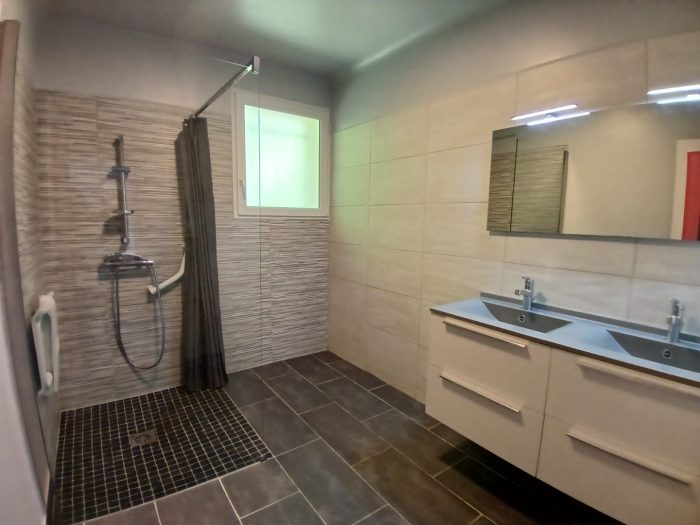
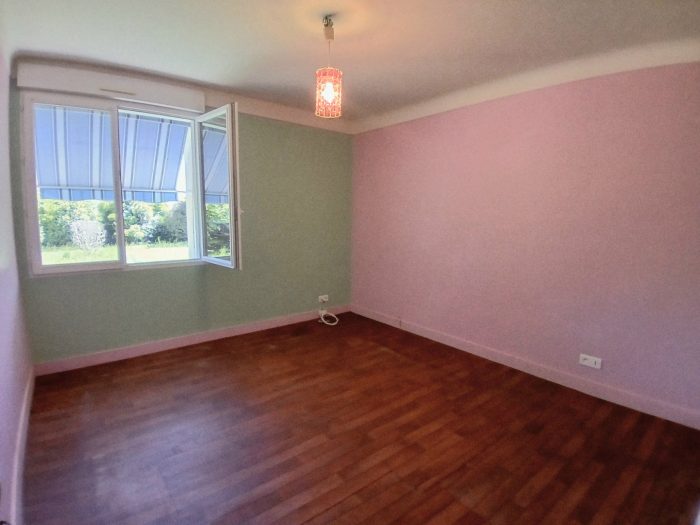
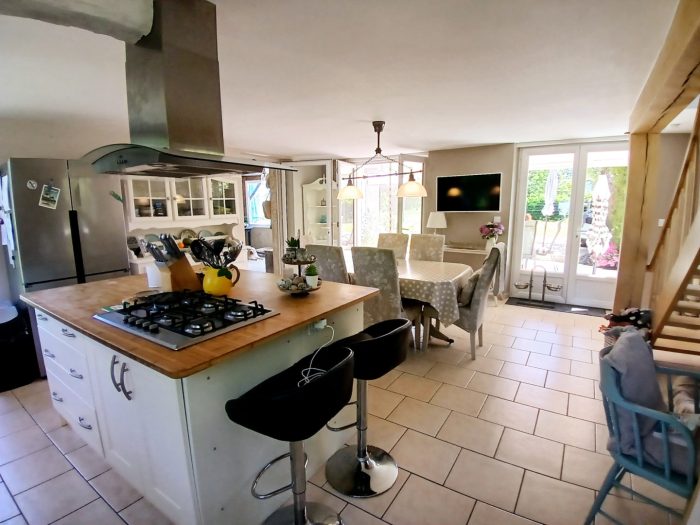
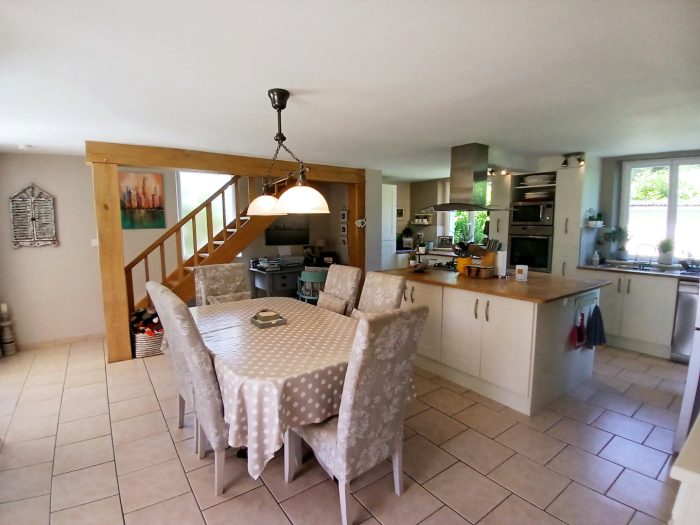
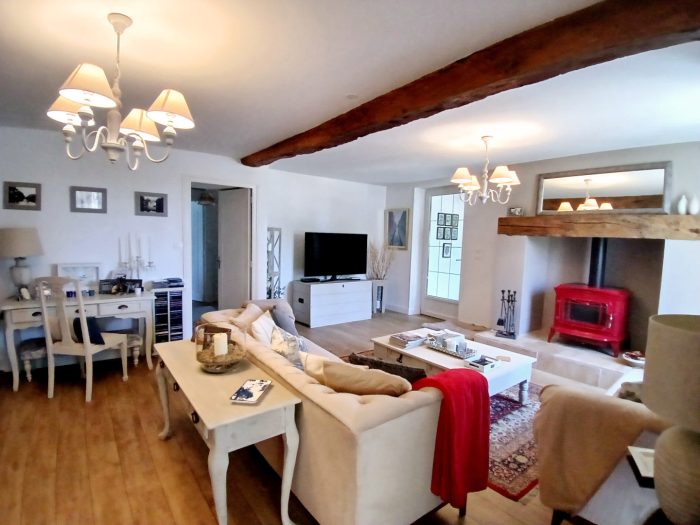
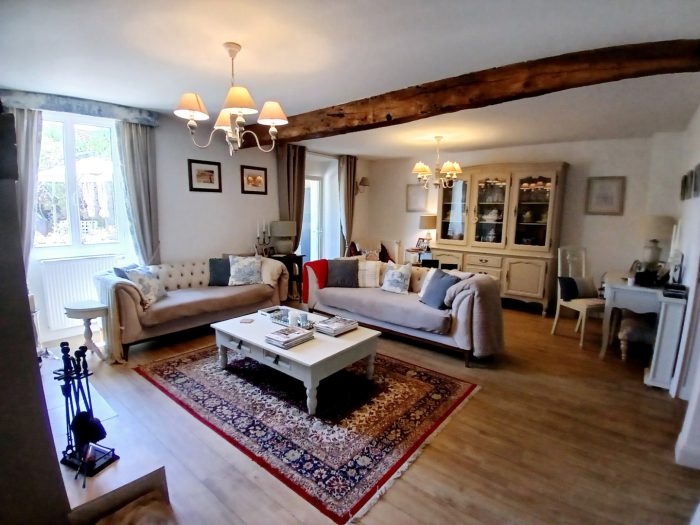
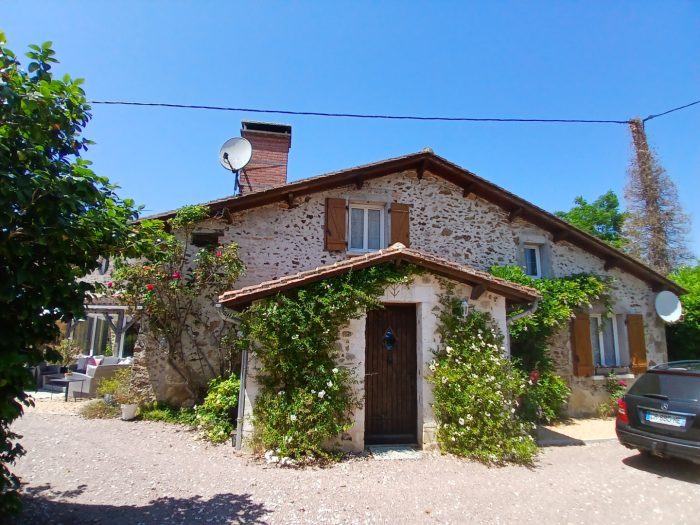
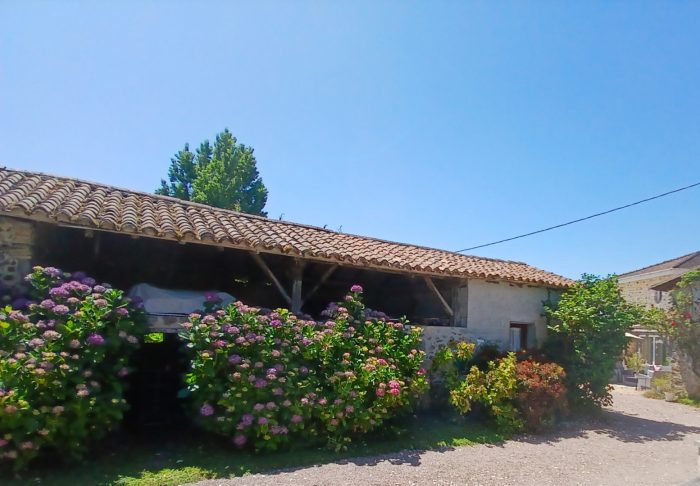
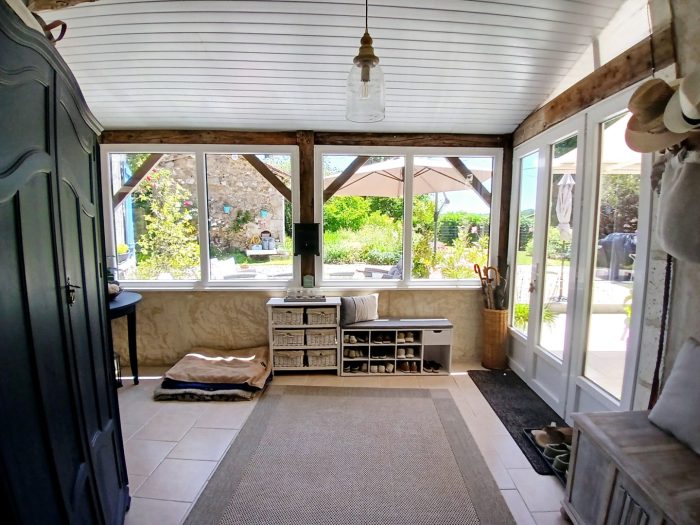
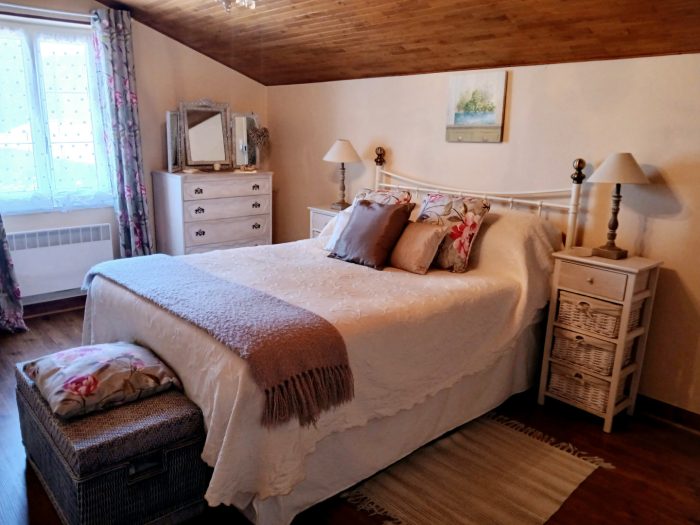
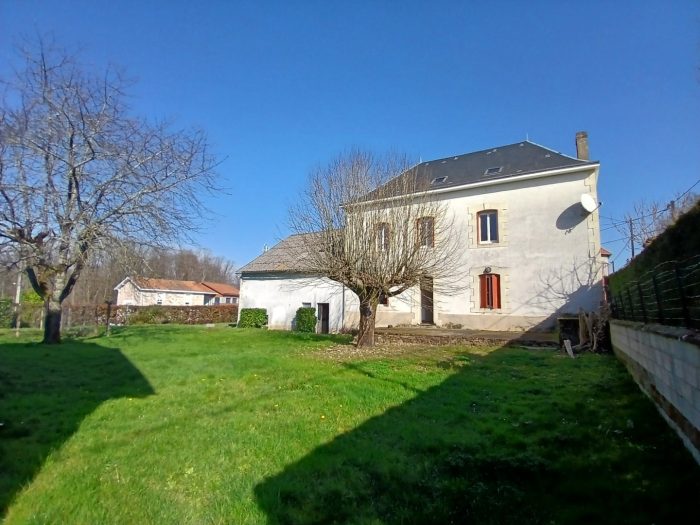
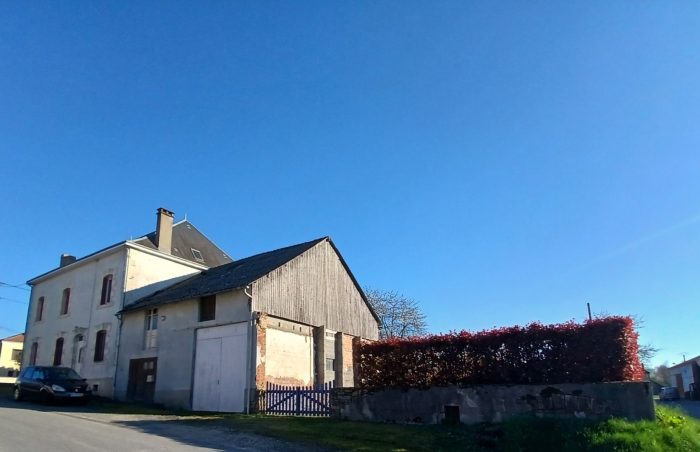
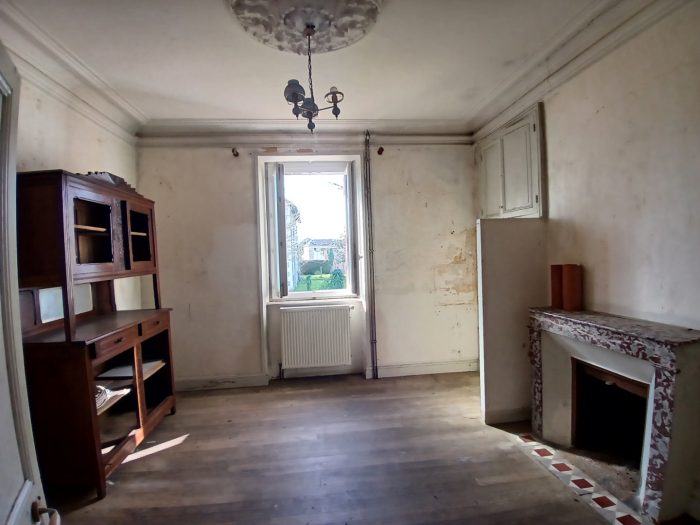
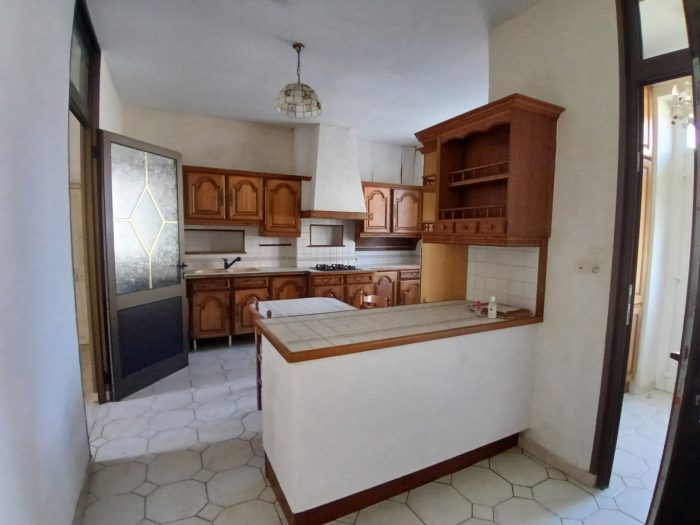
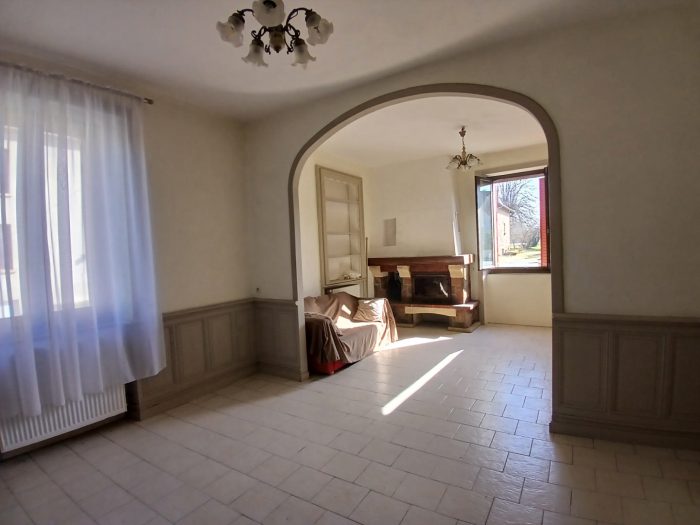
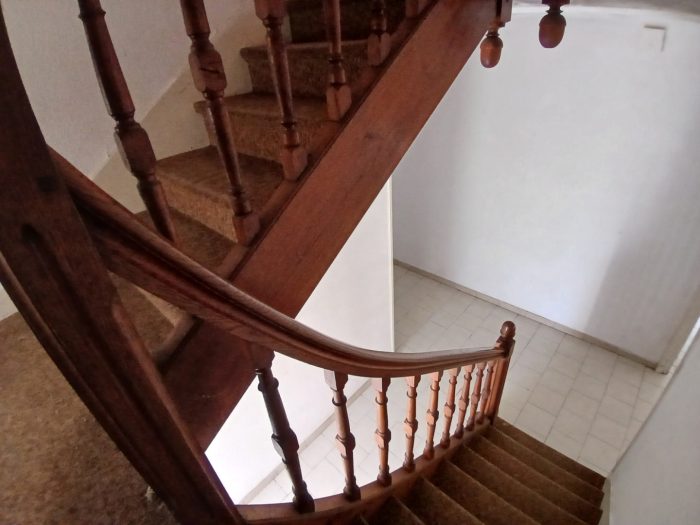
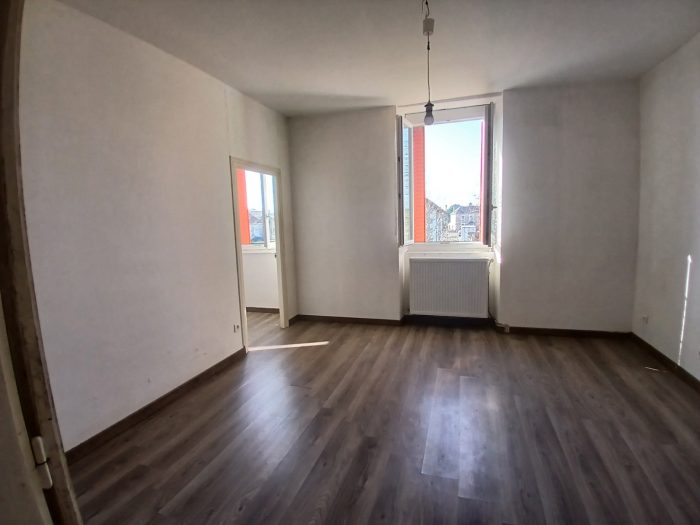
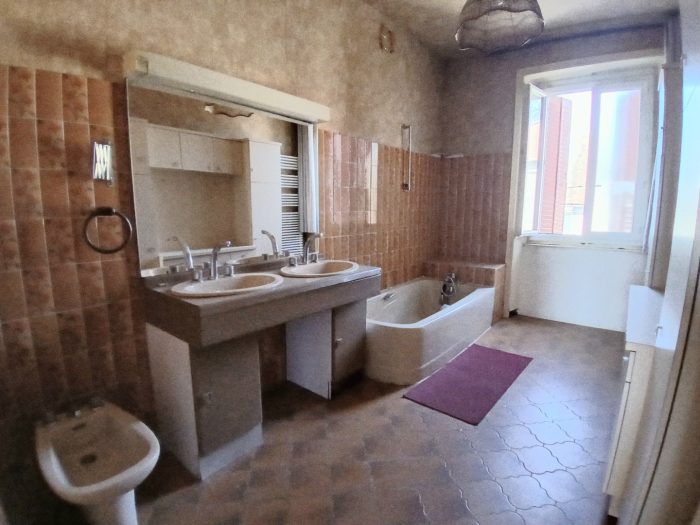
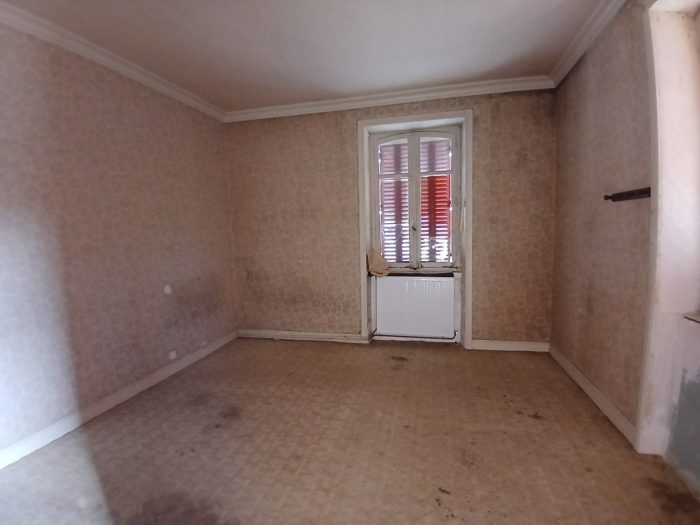
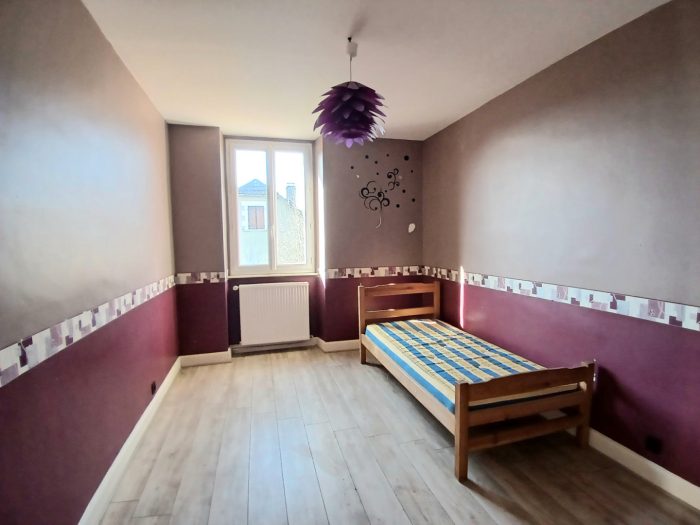
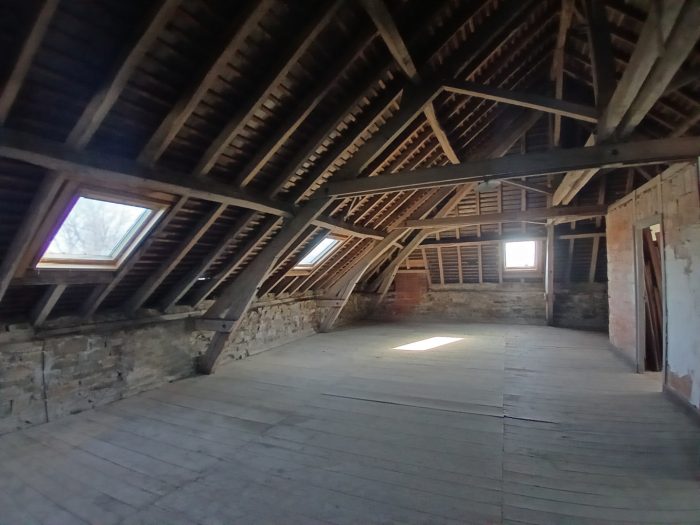
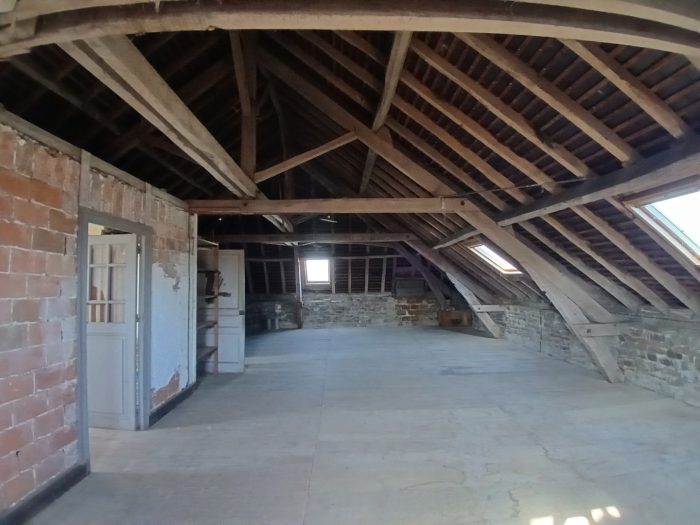
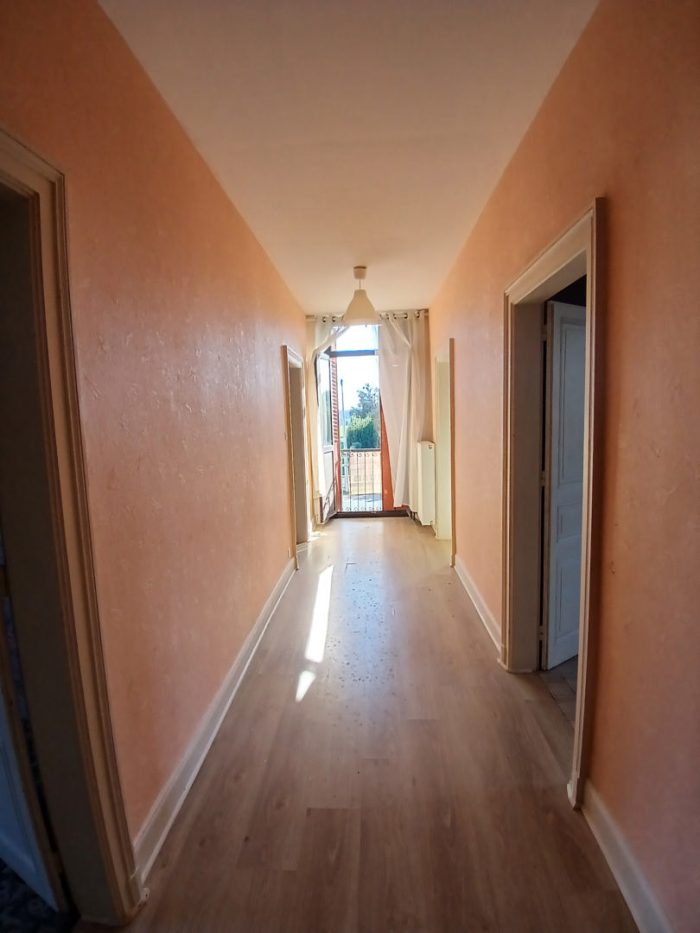
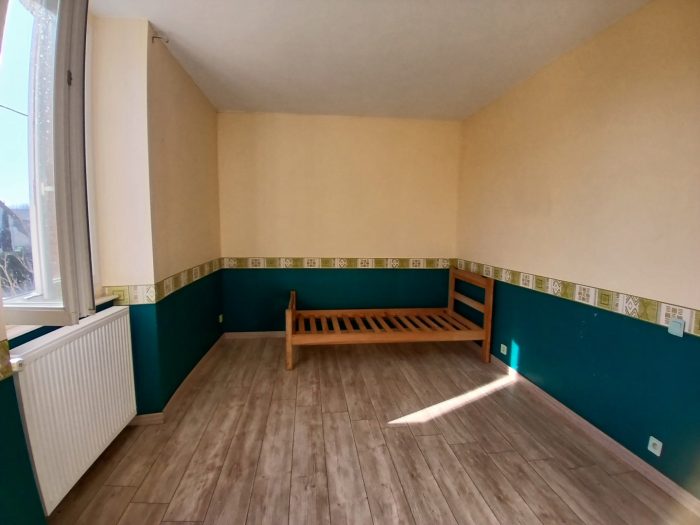
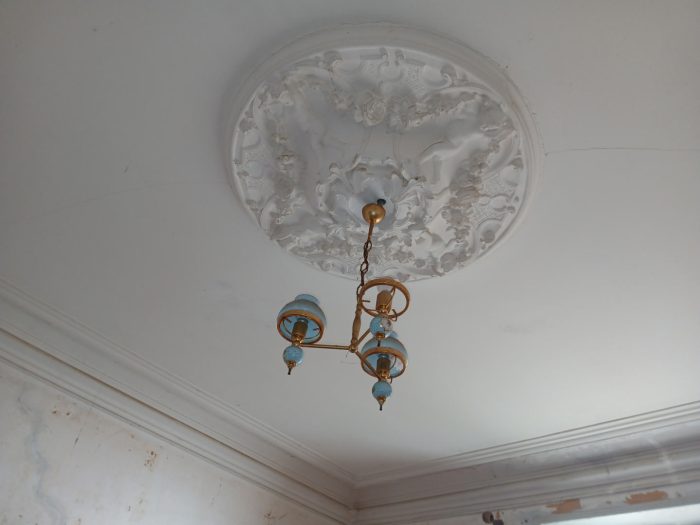
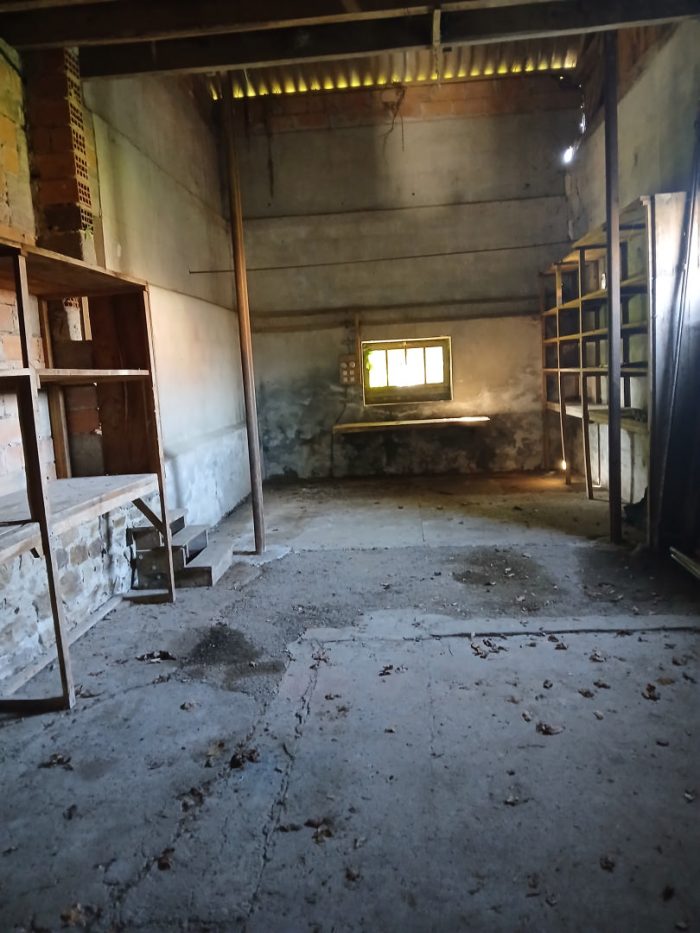
Town & Country Property France currently lists 22 properties in Dordogne, priced from € 50 000 to € 381 600. The types listed include country house, house, maison de maitre, plot with outline building permission, town house, village house.
Sources: INSEE data via geo.api.gouv.fr (population, area, communes; density and the count of communes with 2,000 people or more are calculated from it); UNESCO World Heritage Centre, list no. 85; UNESCO Biosphere Reserve designation of the Dordogne basin (11 July 2012); Les Plus Beaux Villages de France, official village index; Météo-France 1991–2020 normals for Périgueux-Bassillac (via Infoclimat); history and relief: Wikipedia (Dordogne); INAO (Noix du Périgord, Fraise du Périgord, Bergerac-area appellations); regional tourist-board names for the four Périgords.
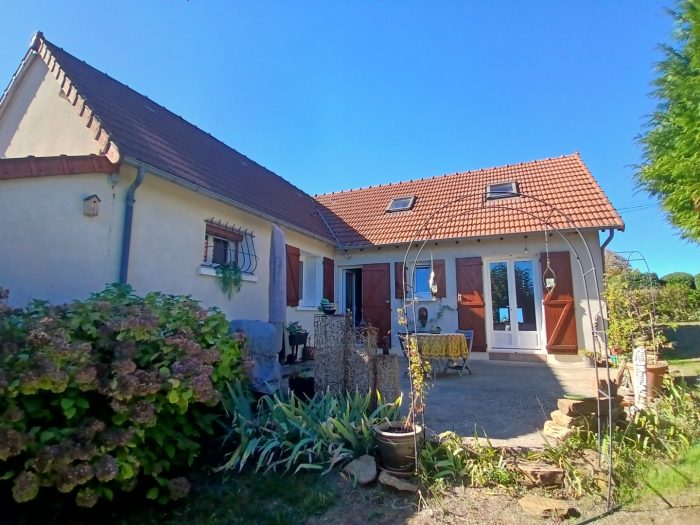
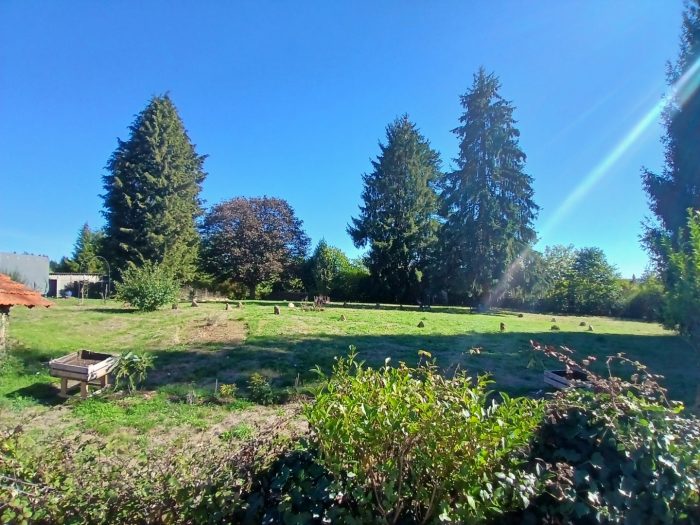
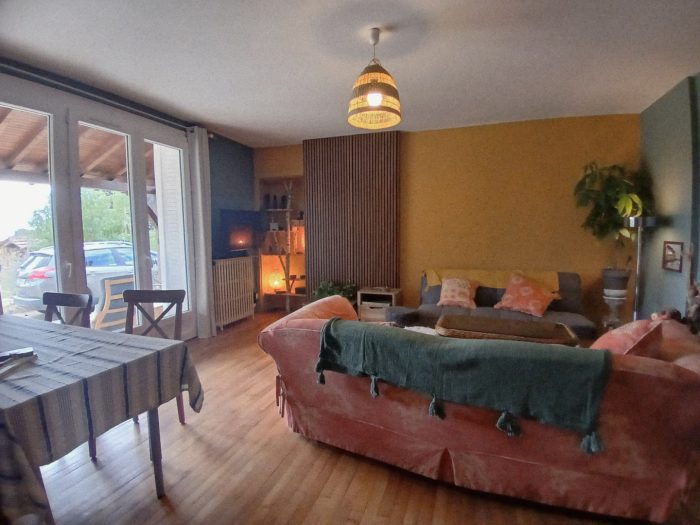
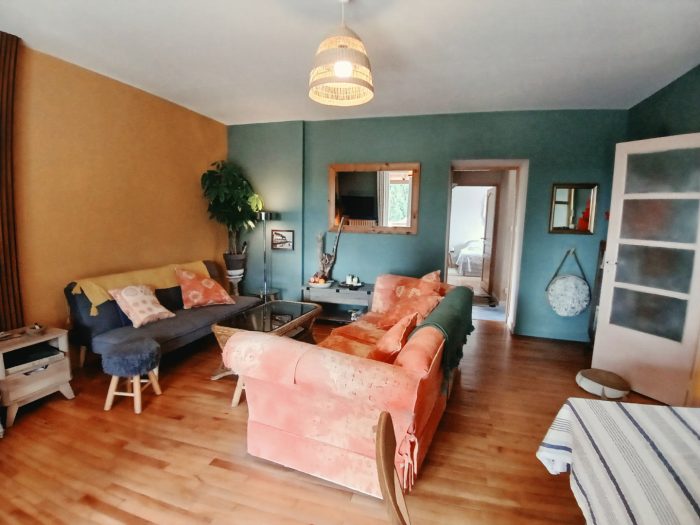
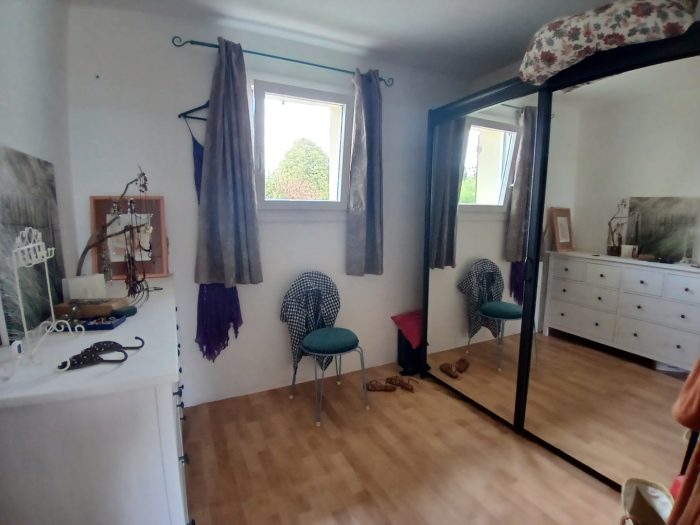
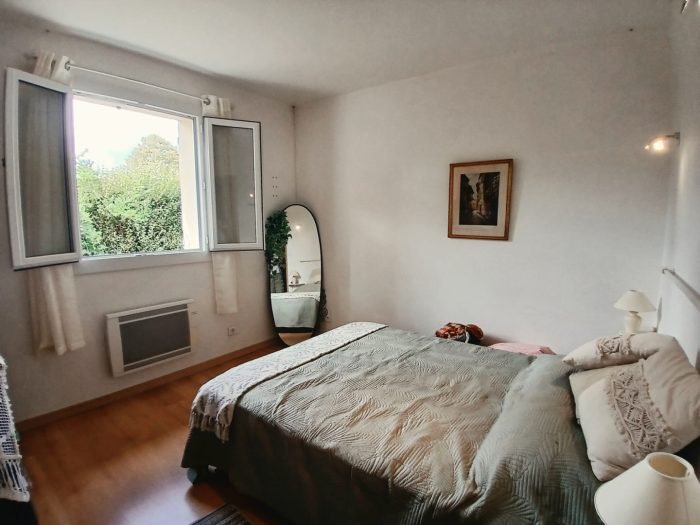
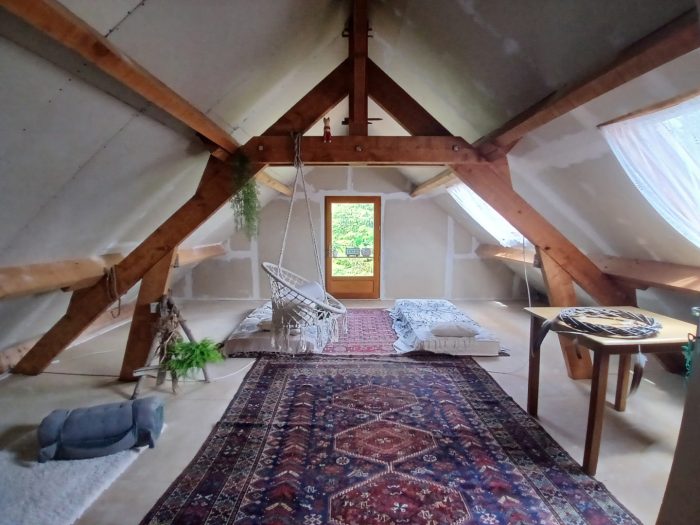
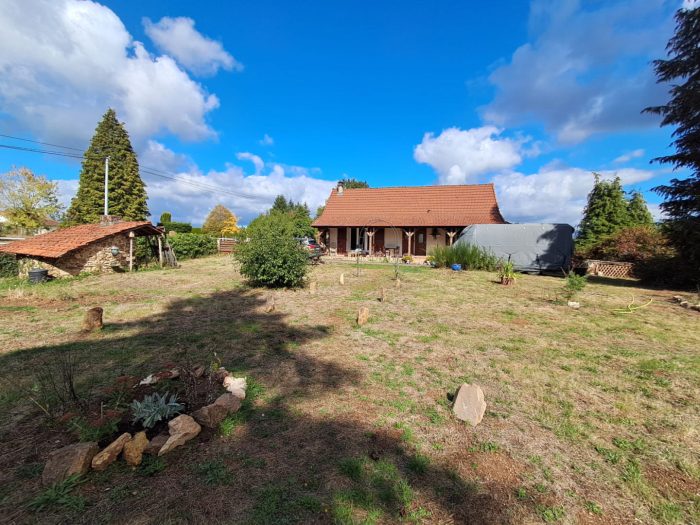
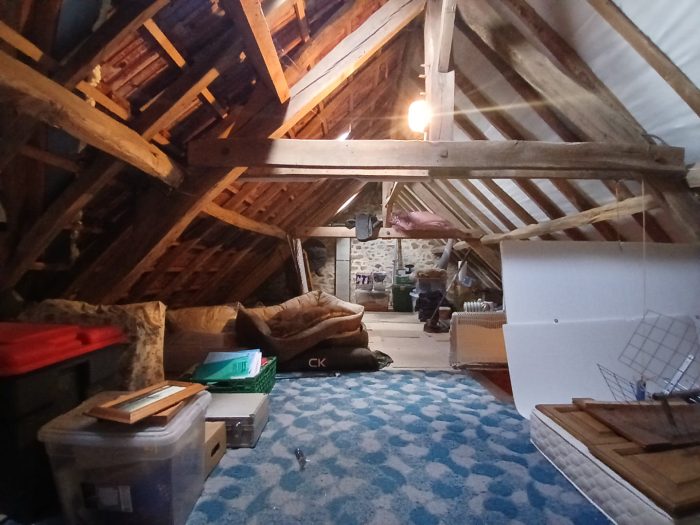
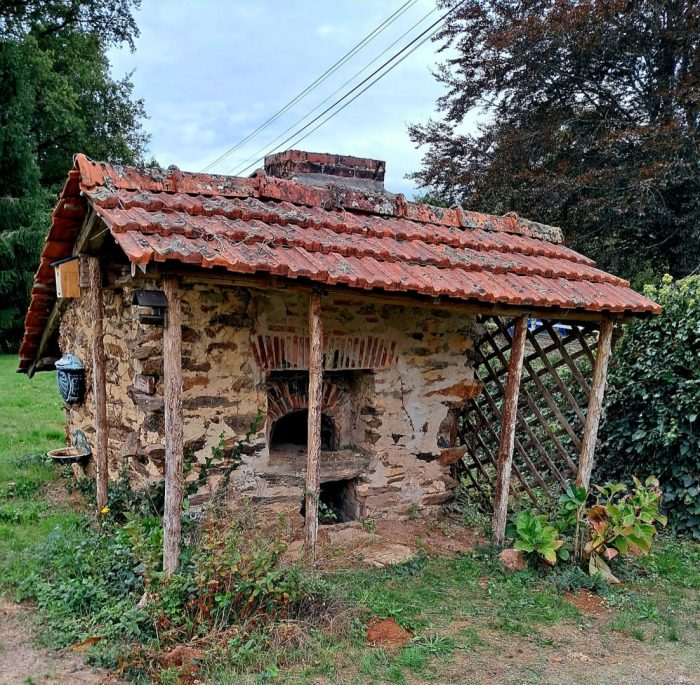
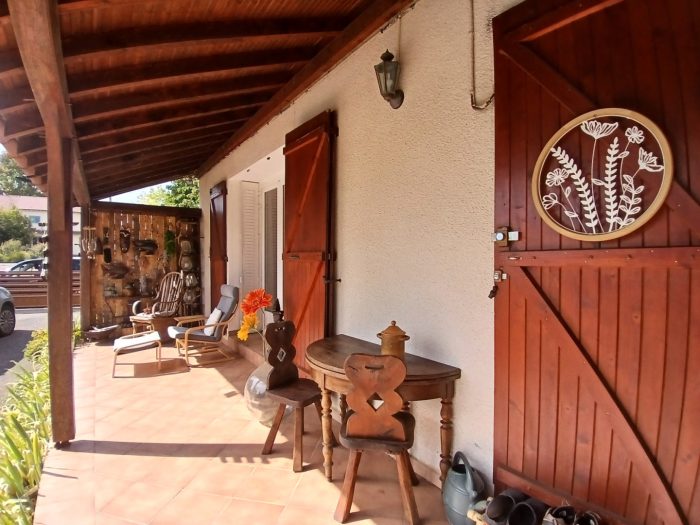
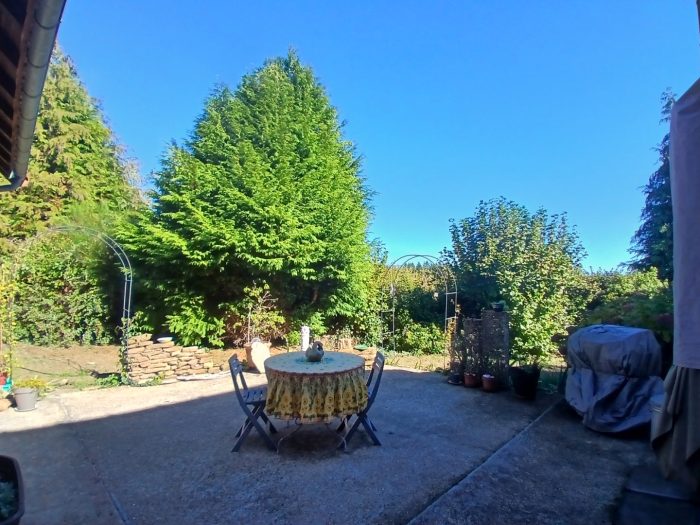
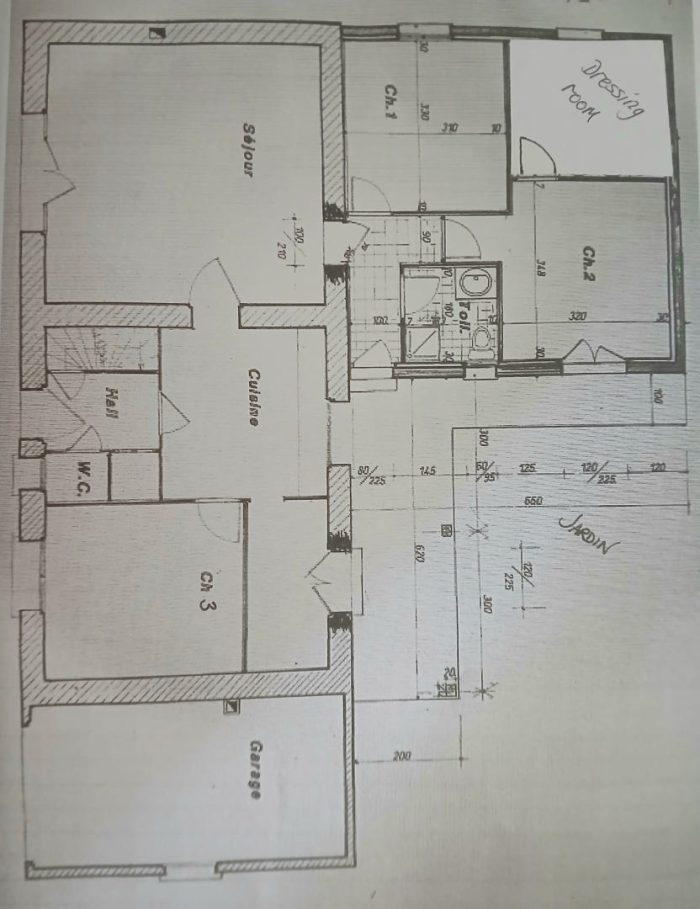
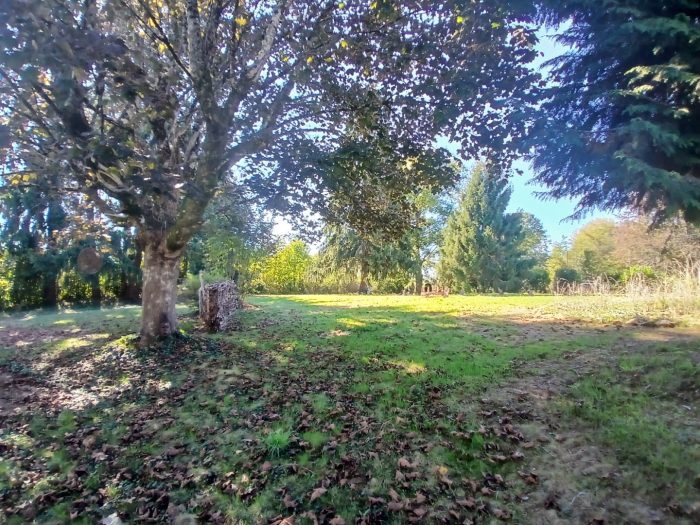
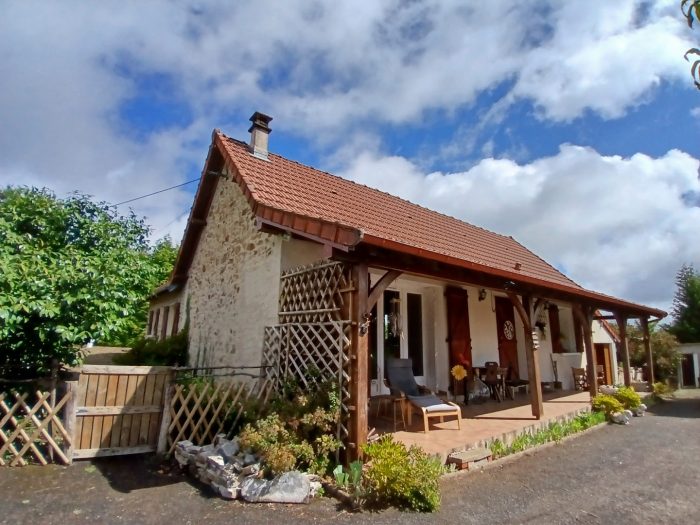
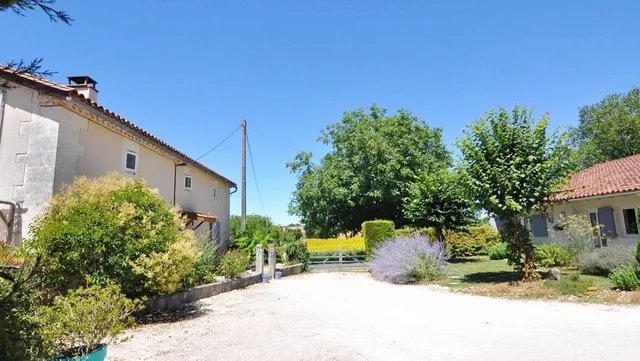
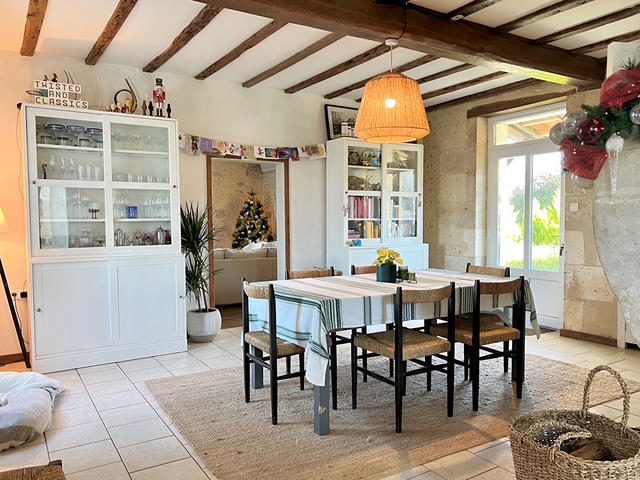
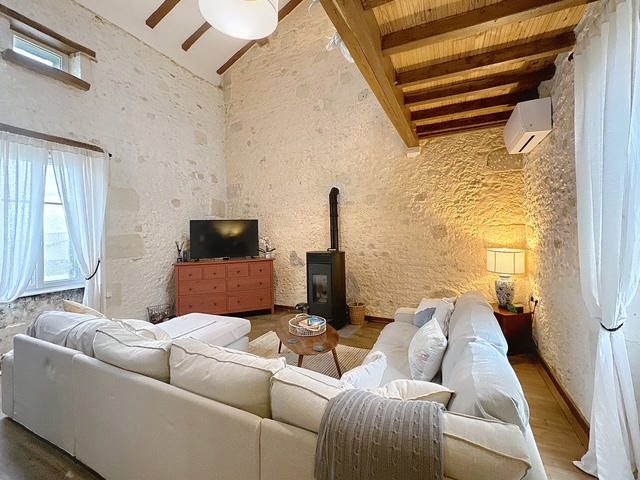
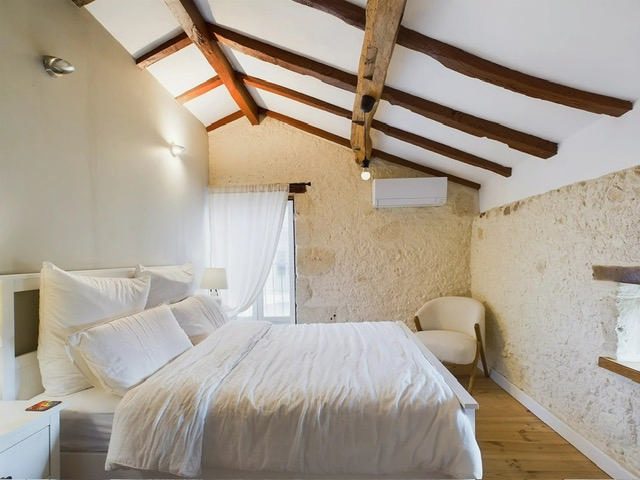
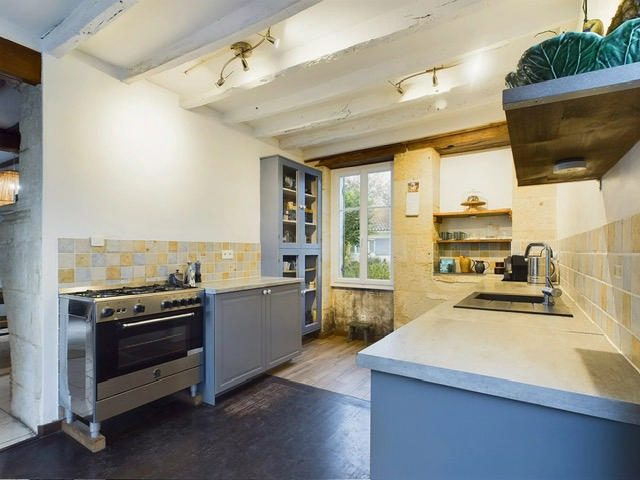
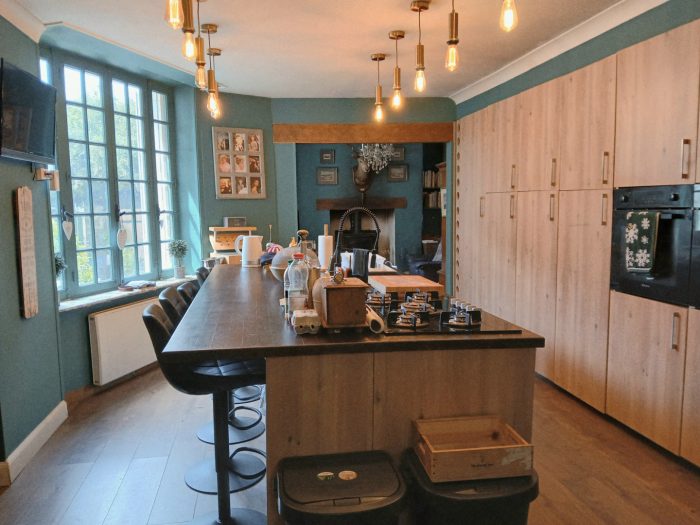
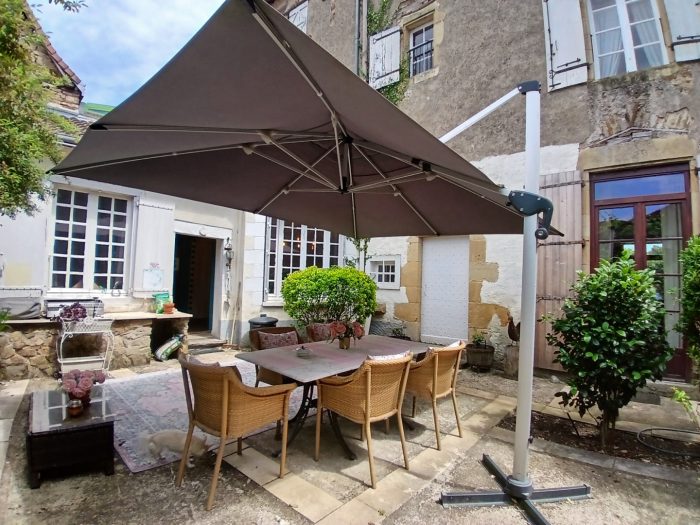
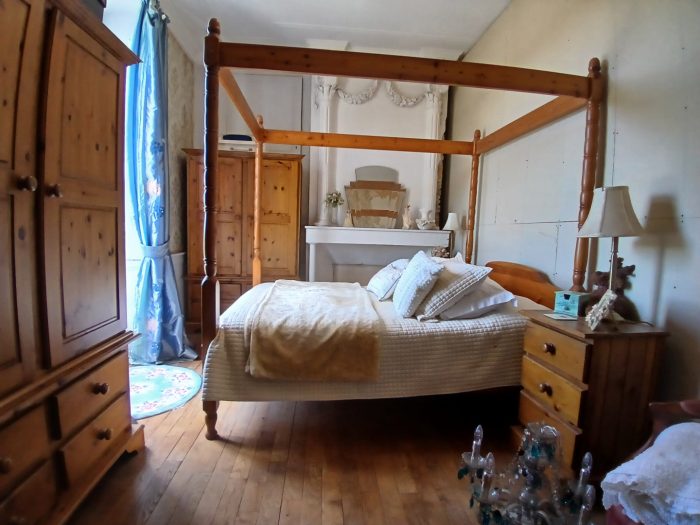
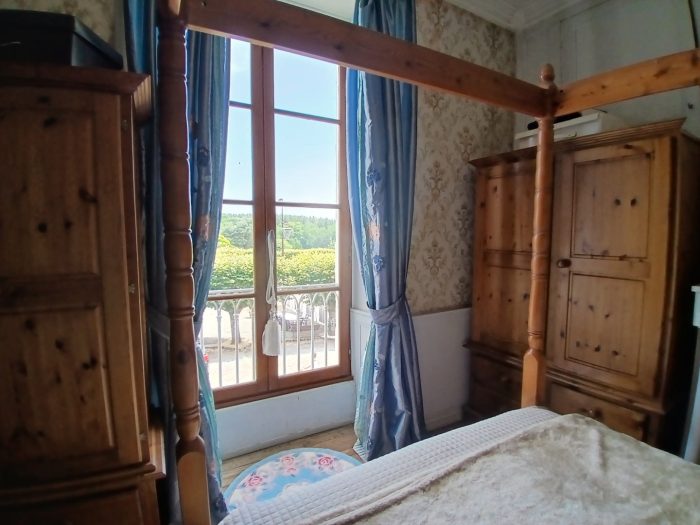
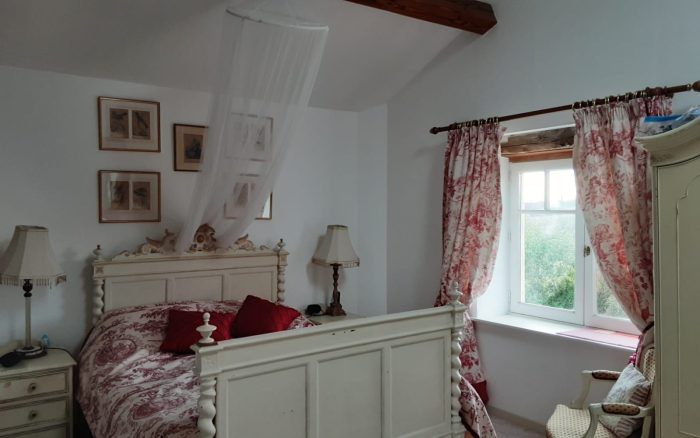
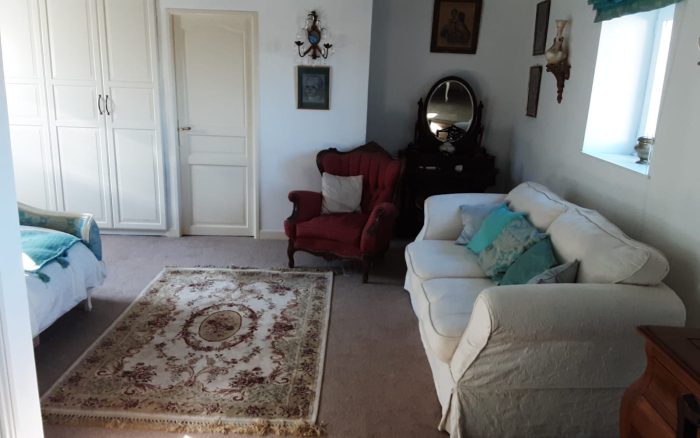
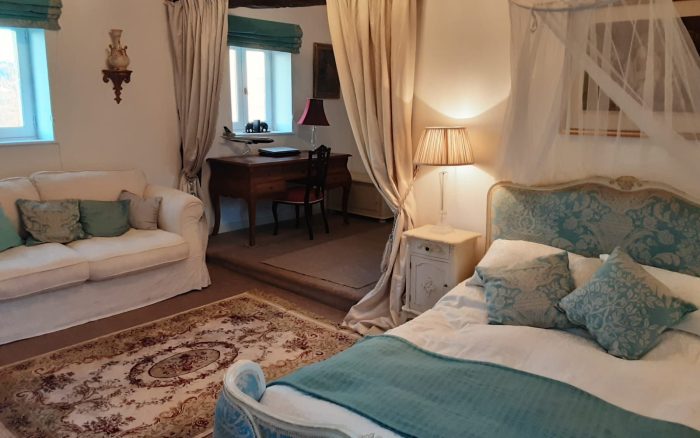
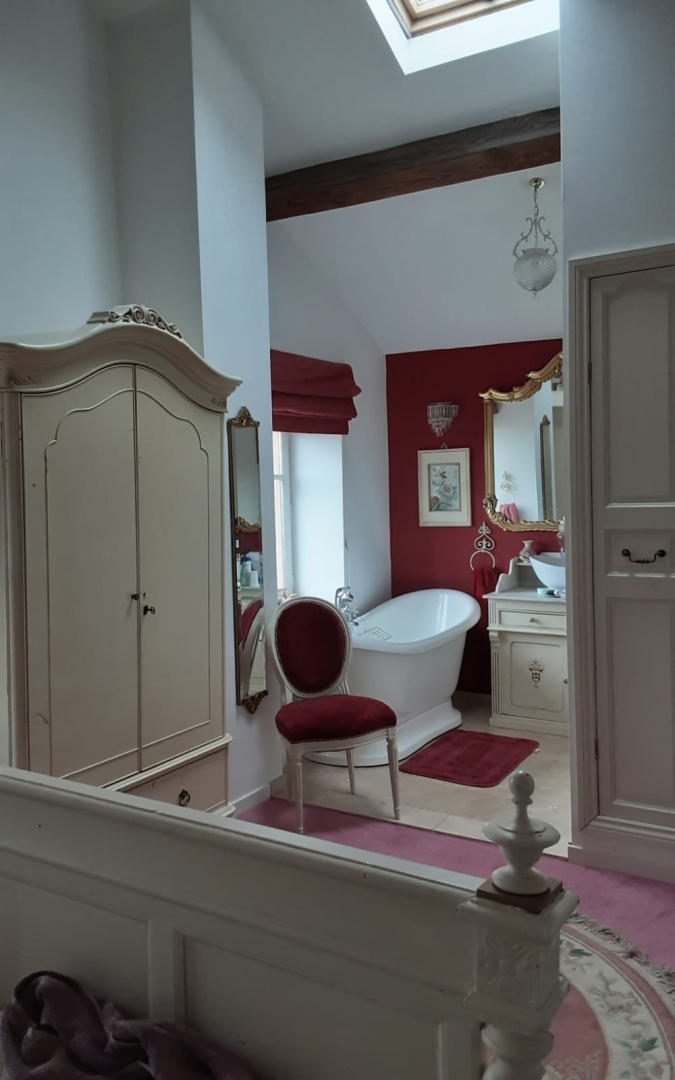
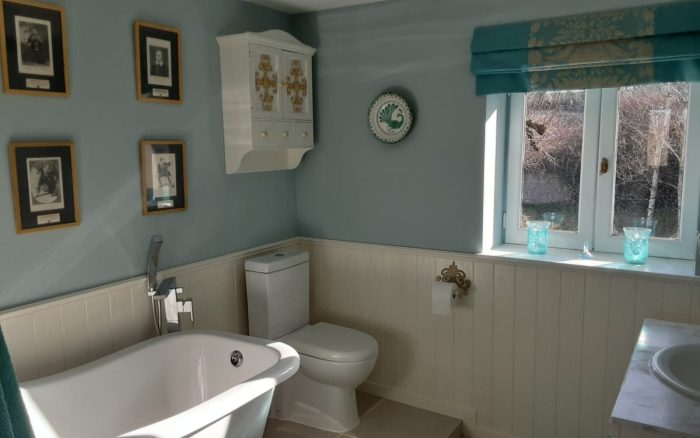
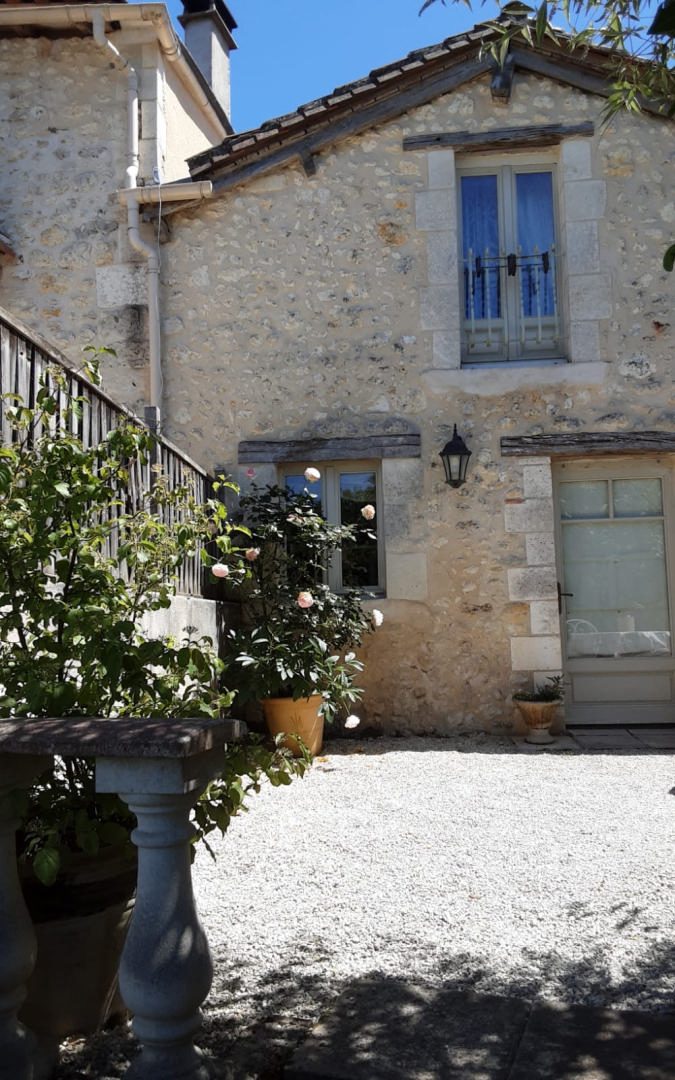
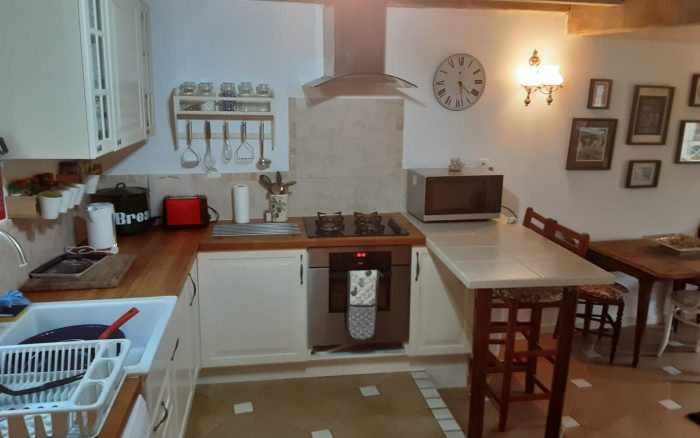
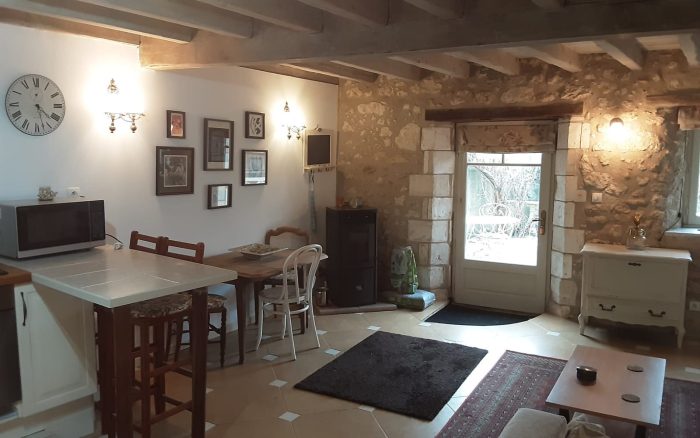
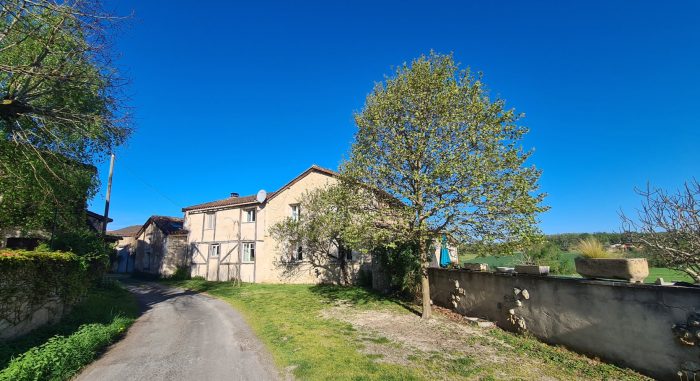
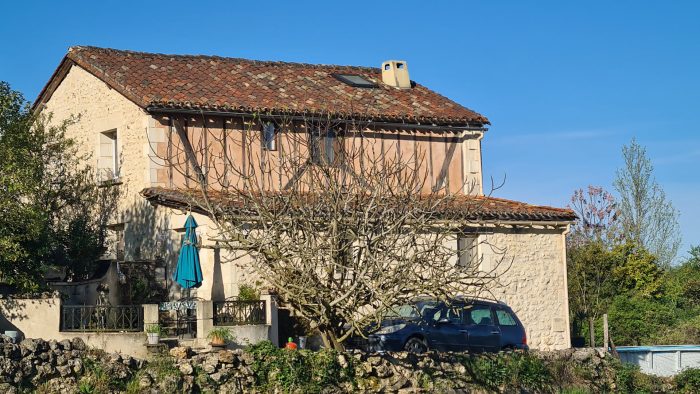
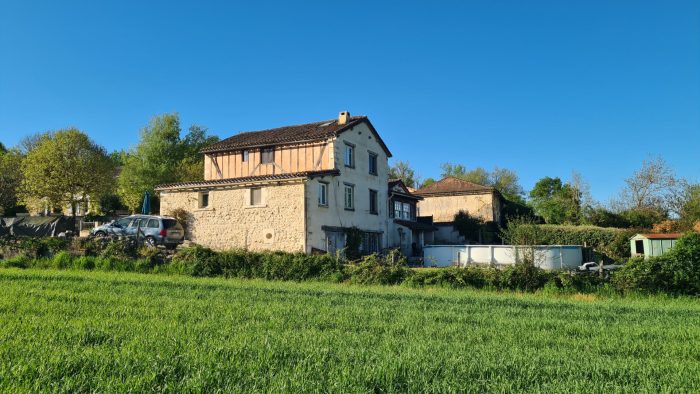
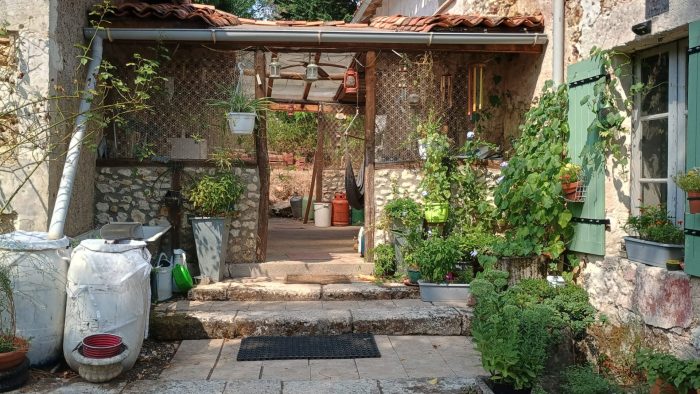
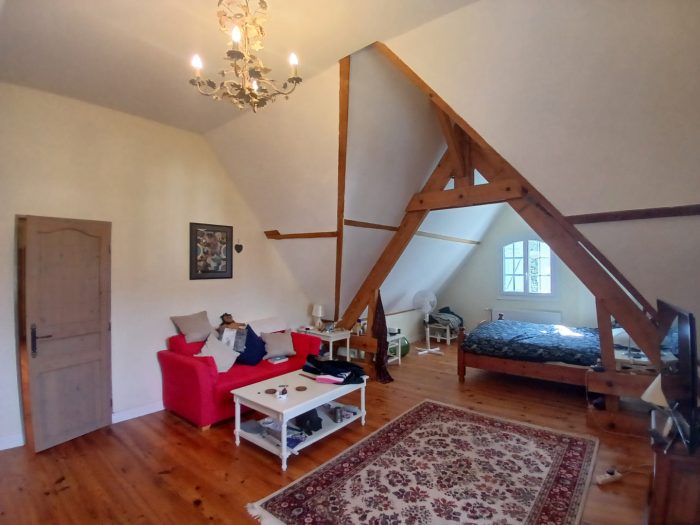
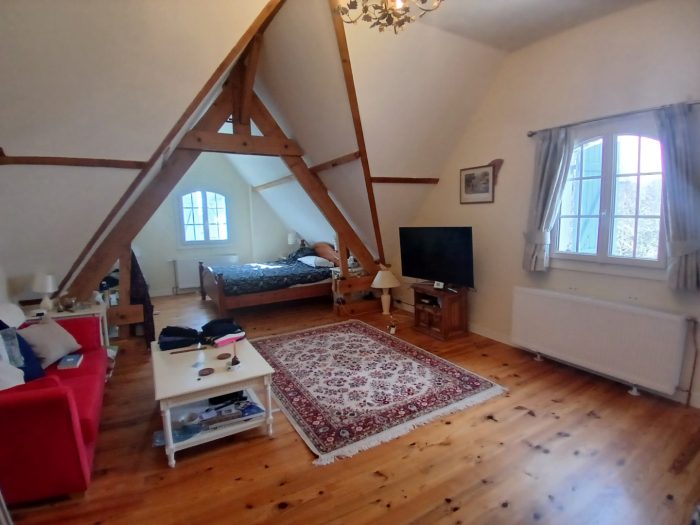
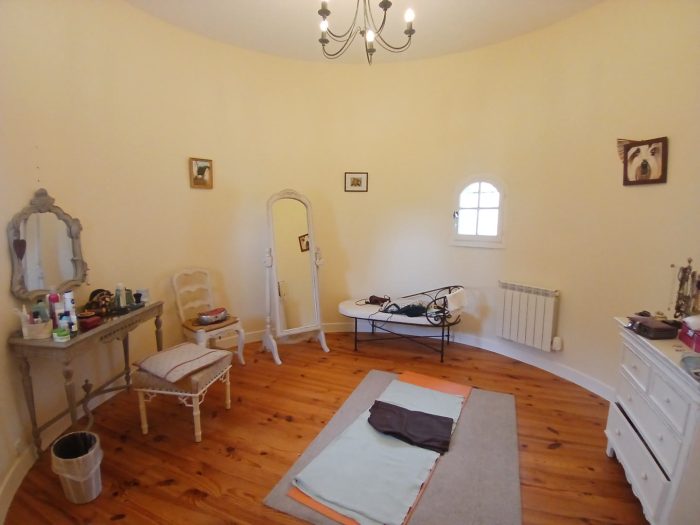
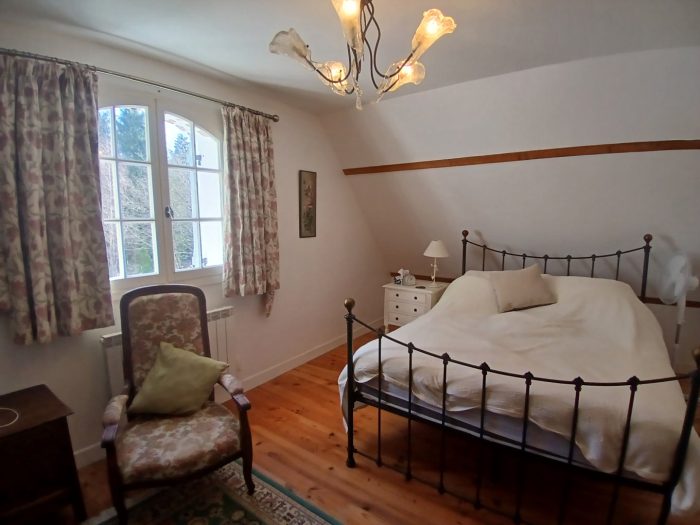
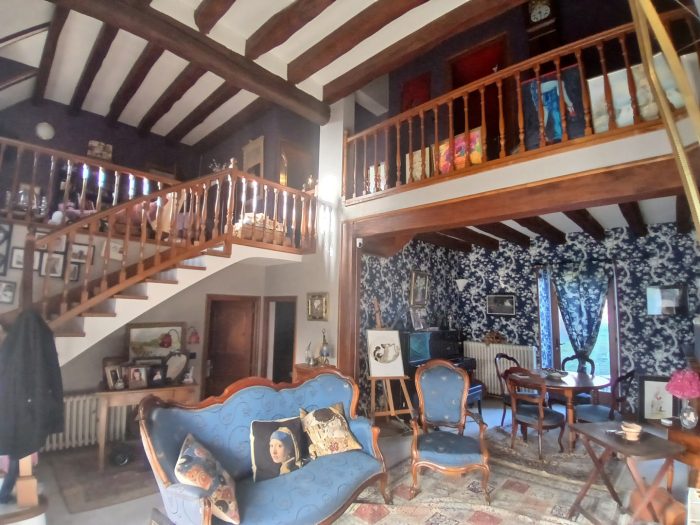
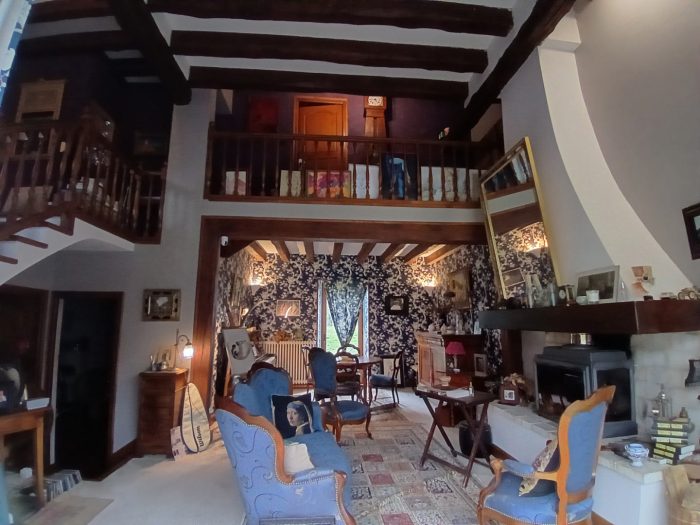
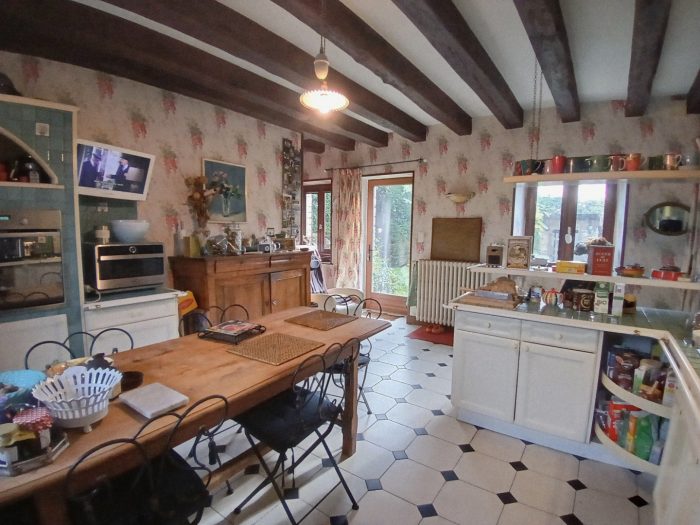
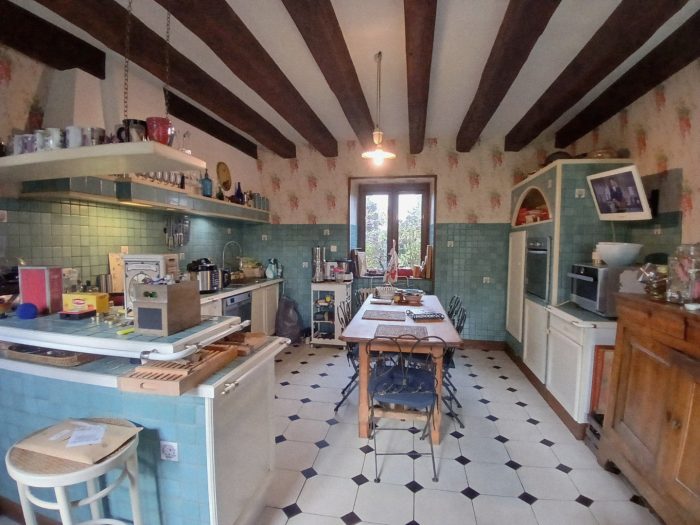
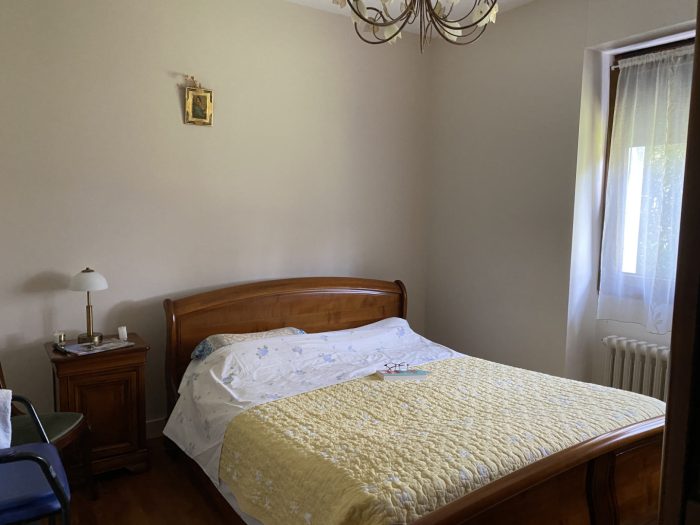
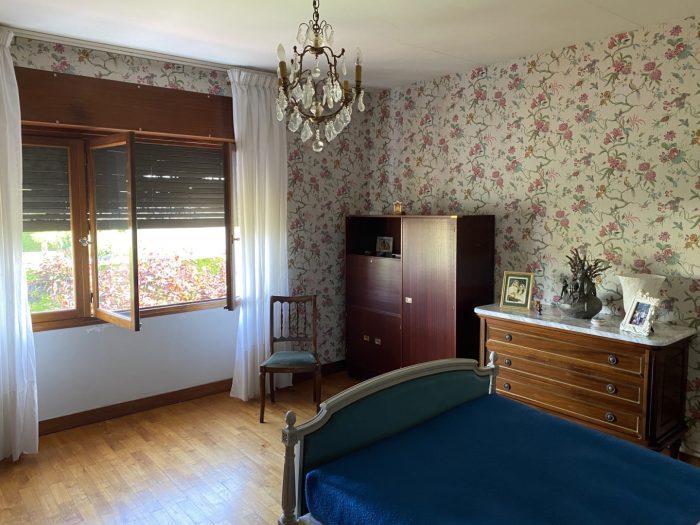
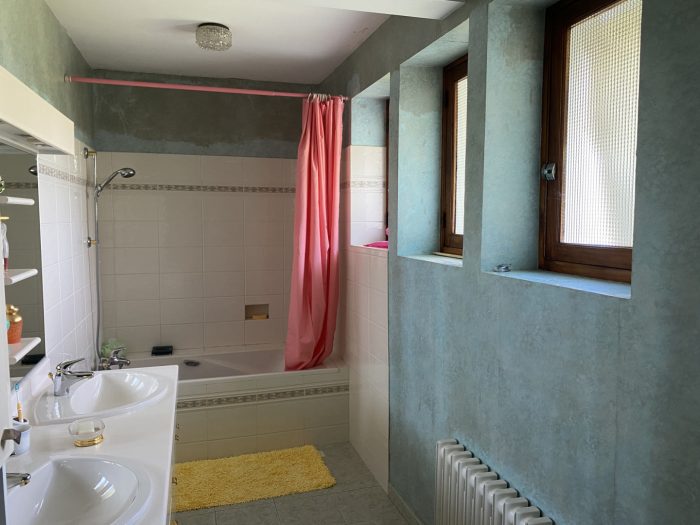
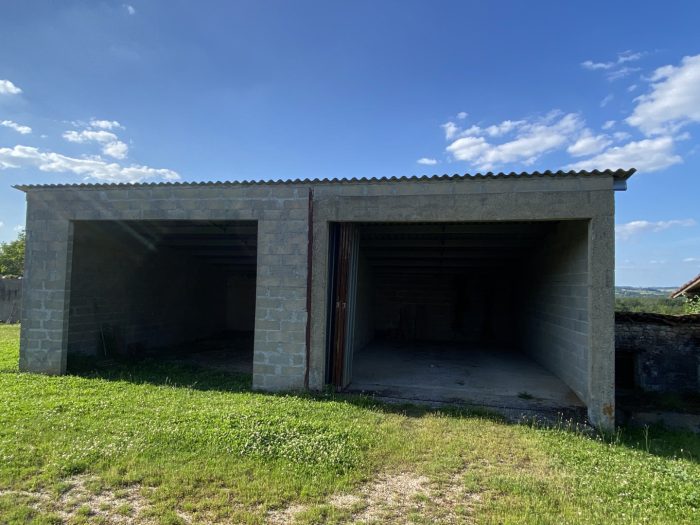
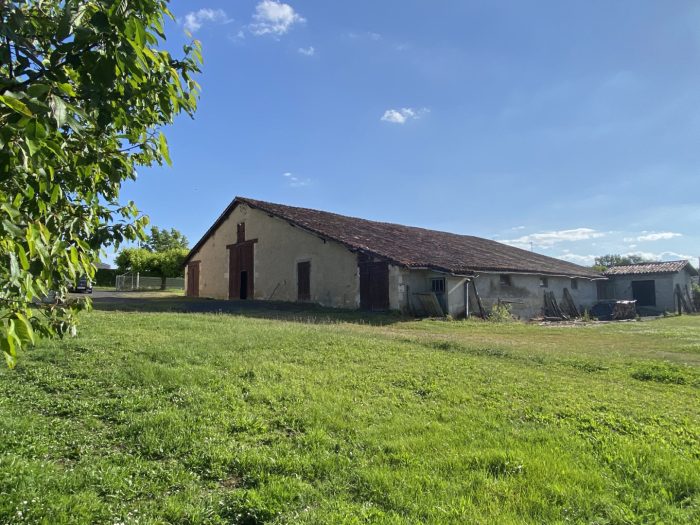
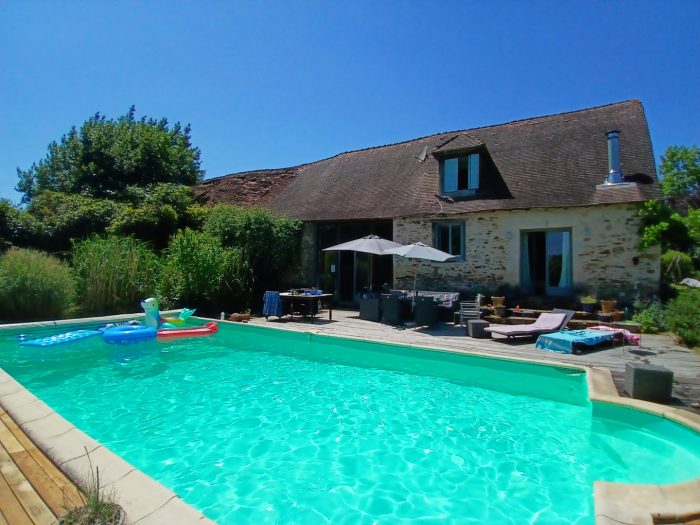
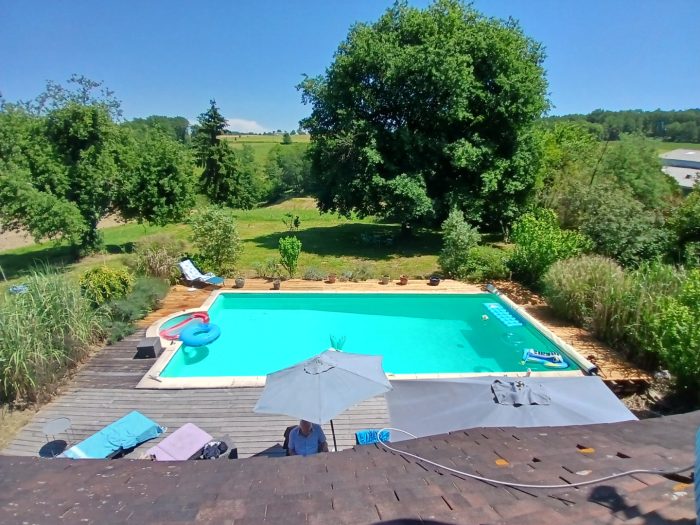
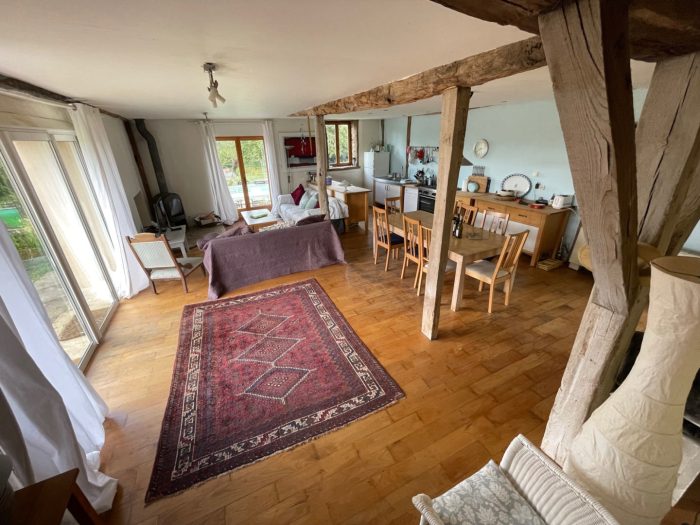
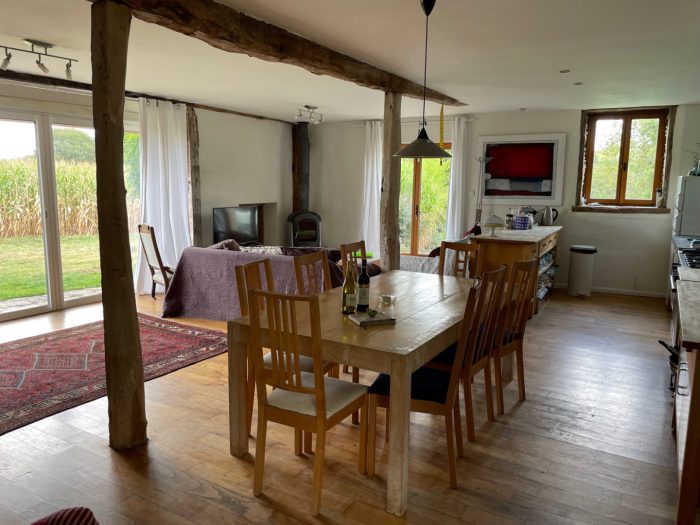
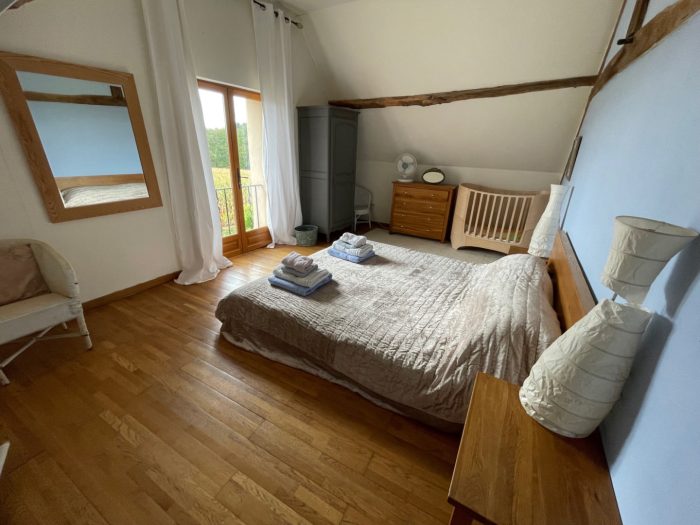
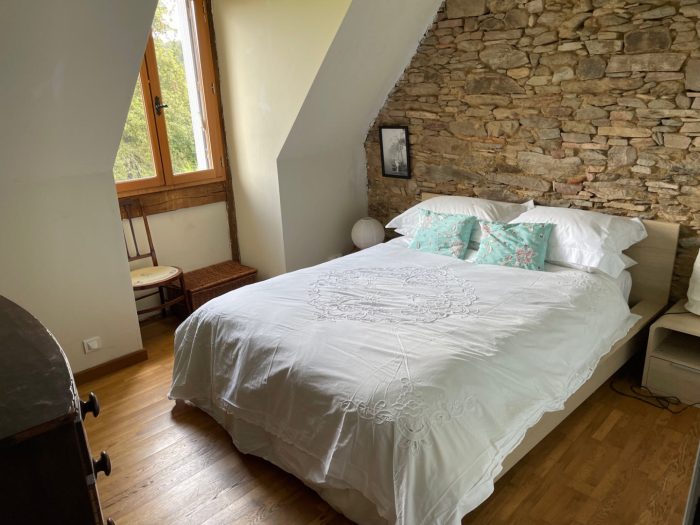
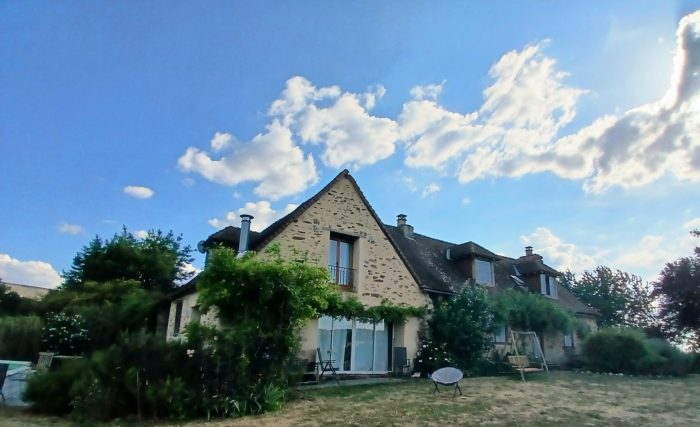
22 properties for sale in Dordogne.
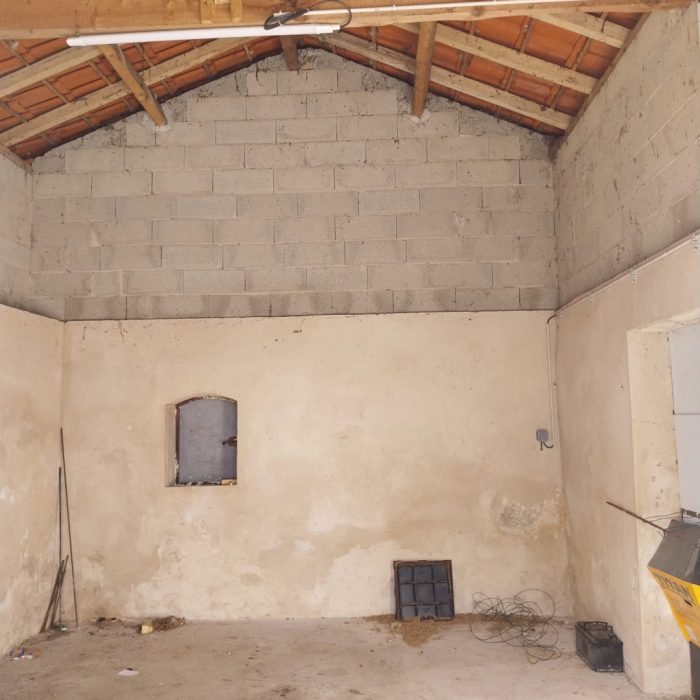
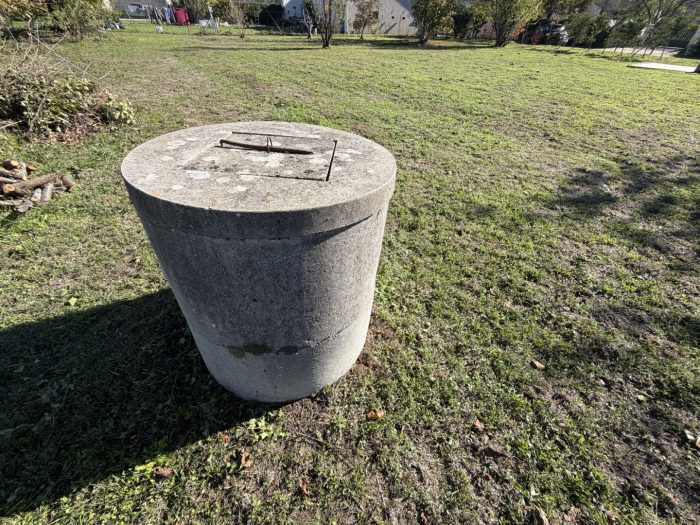
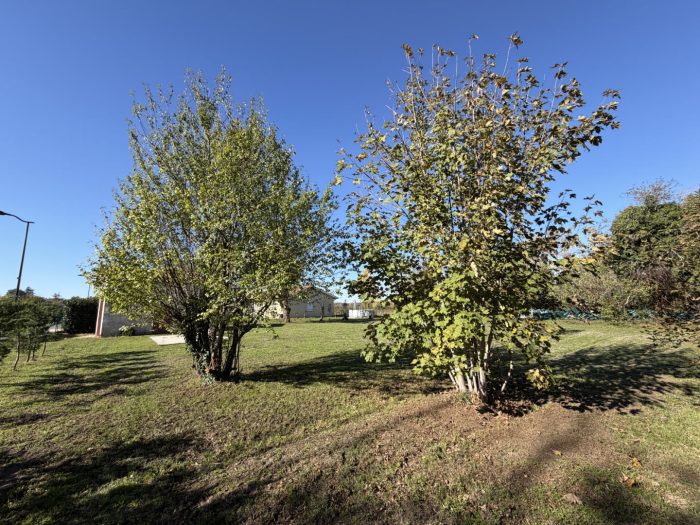
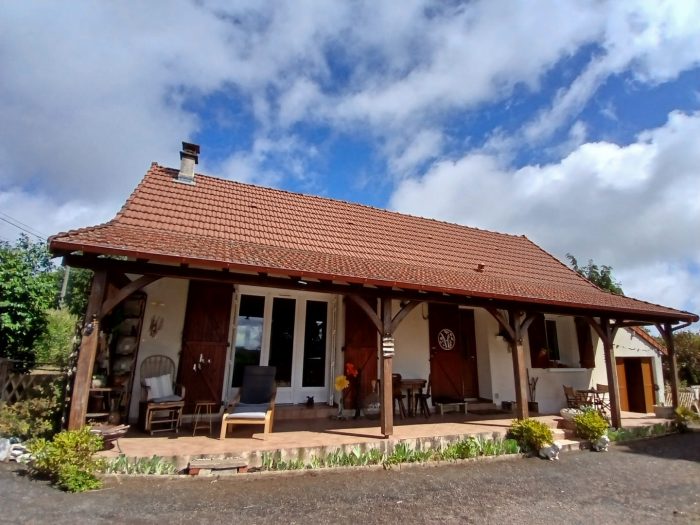
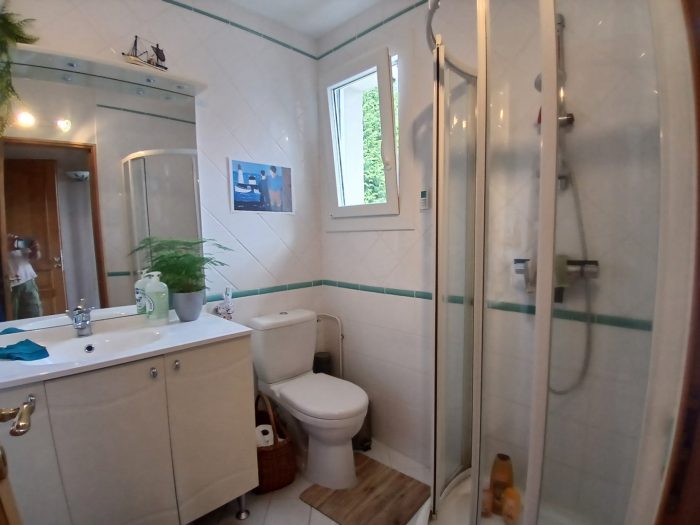
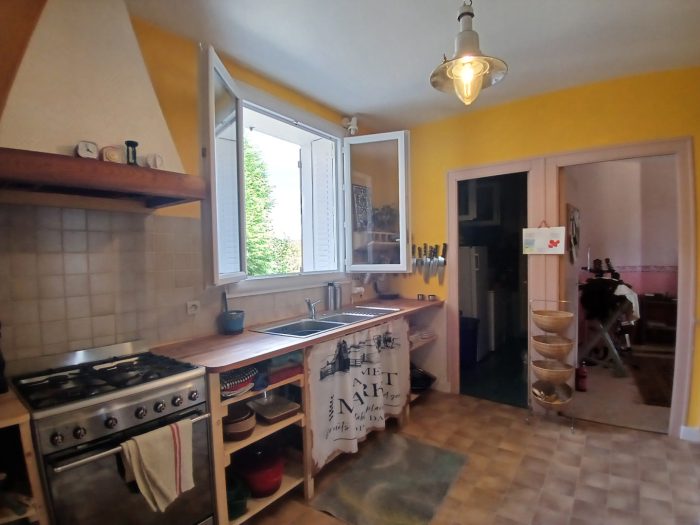
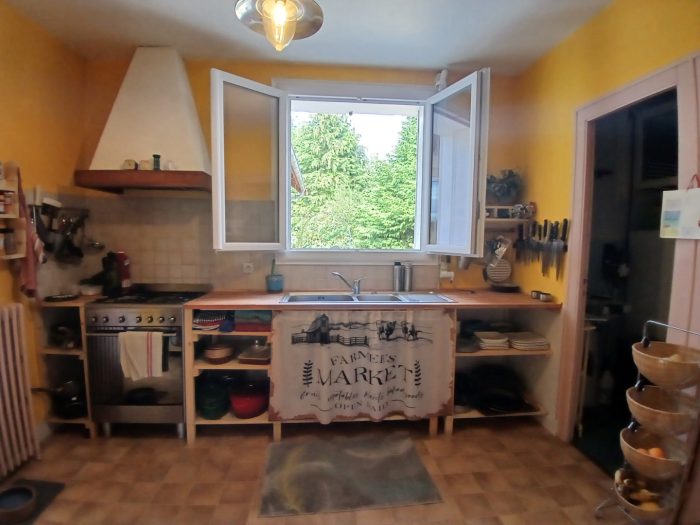
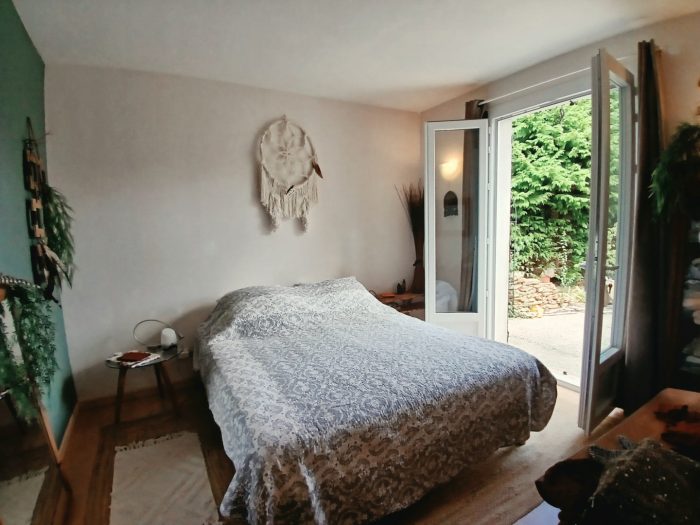
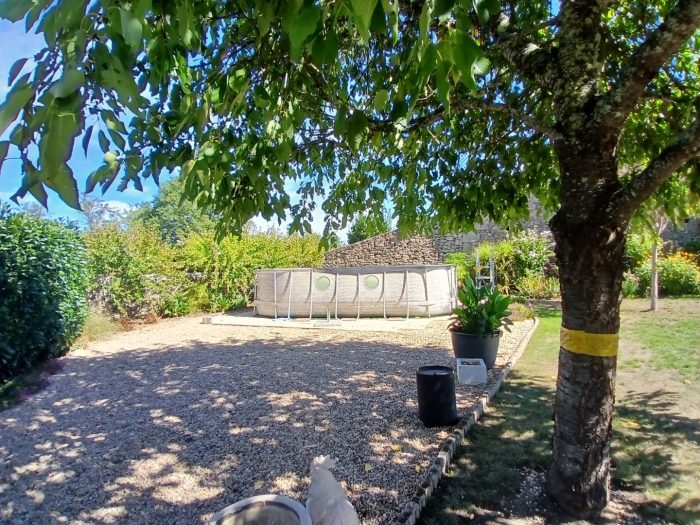
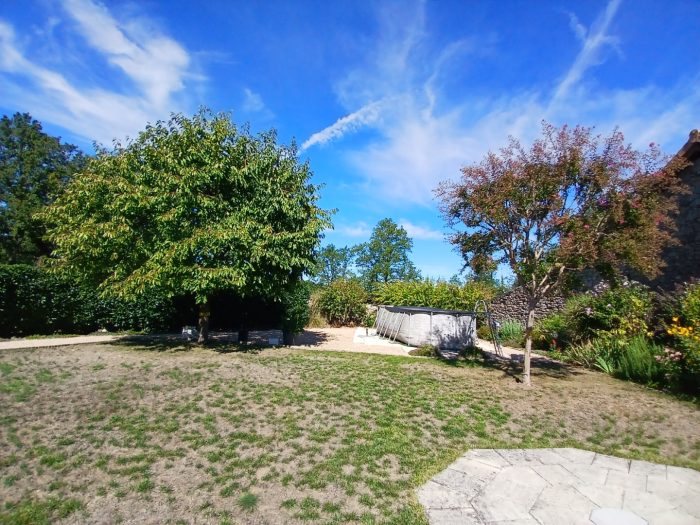
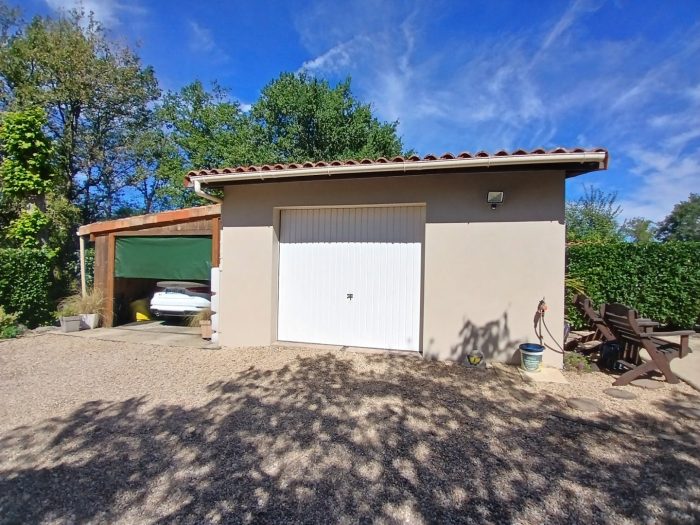
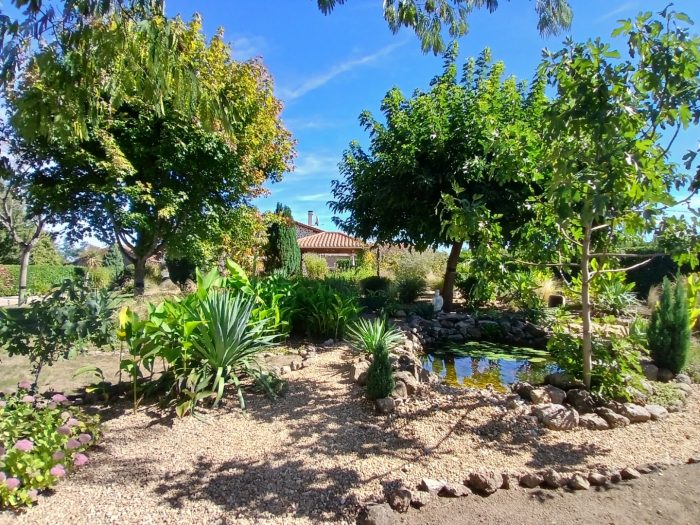
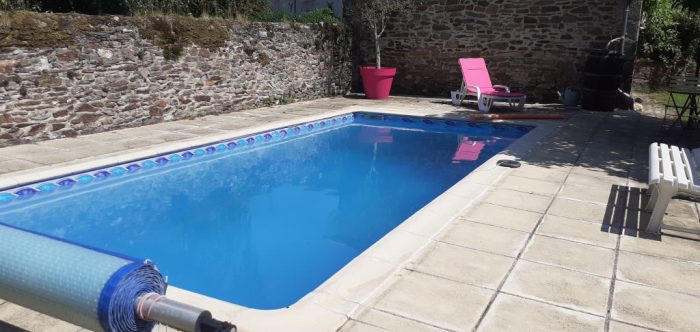
 Pool
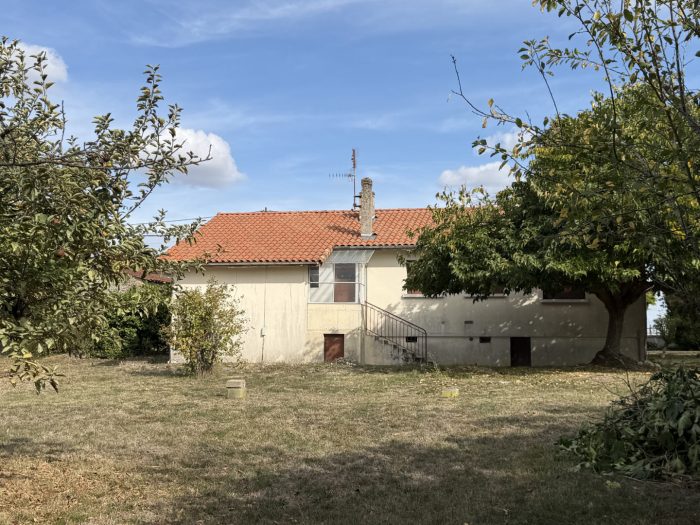
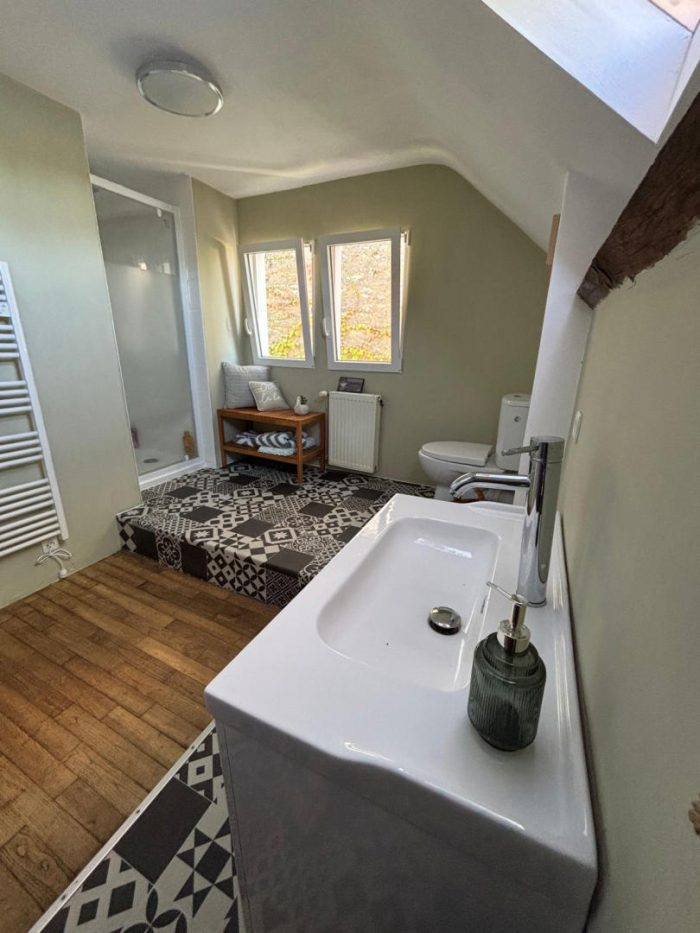
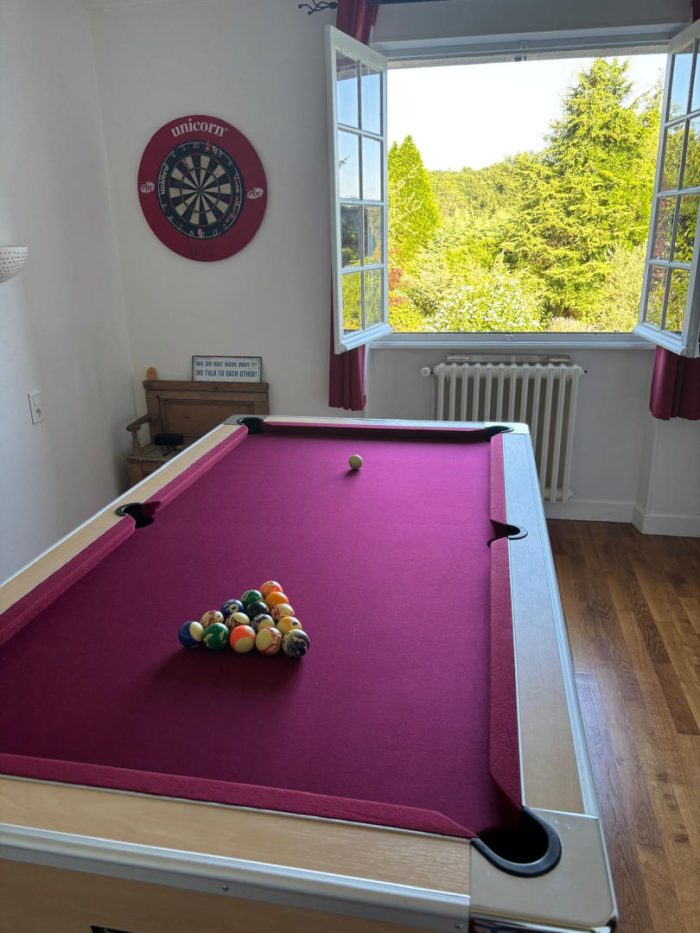
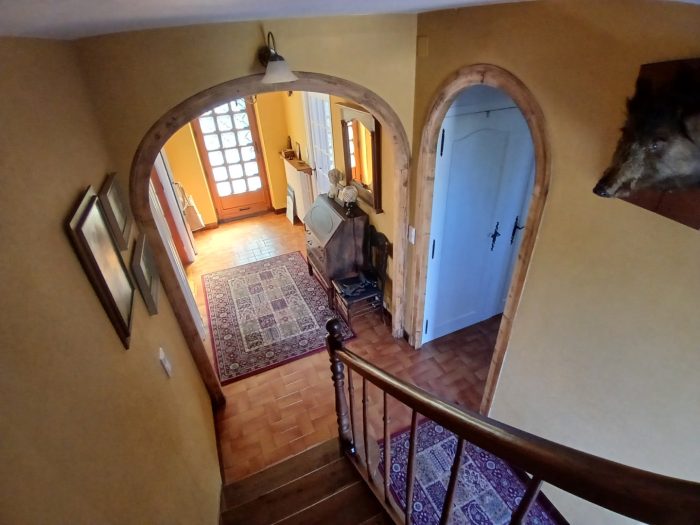
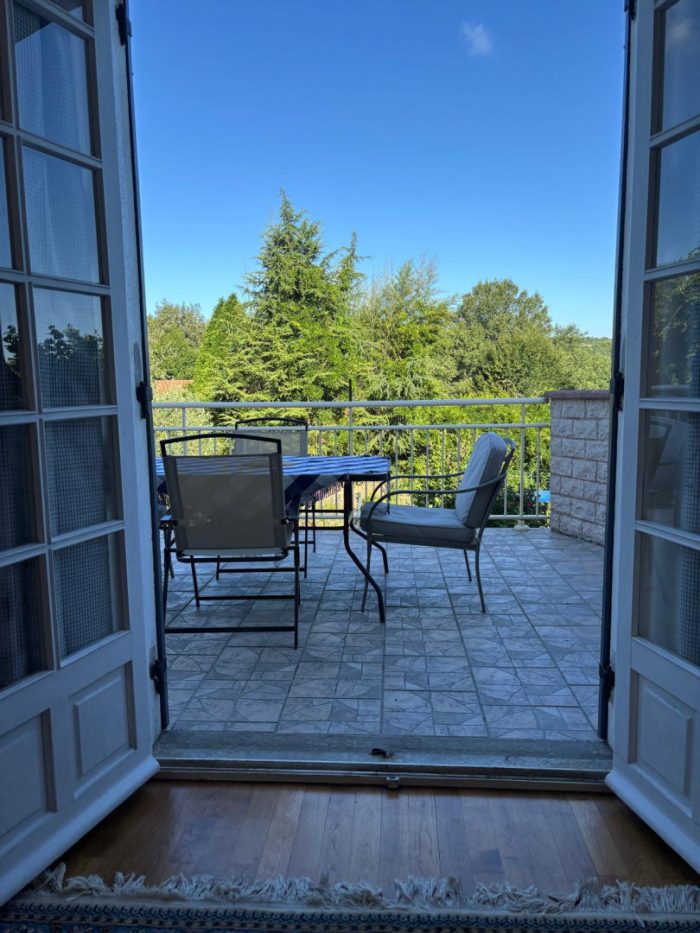
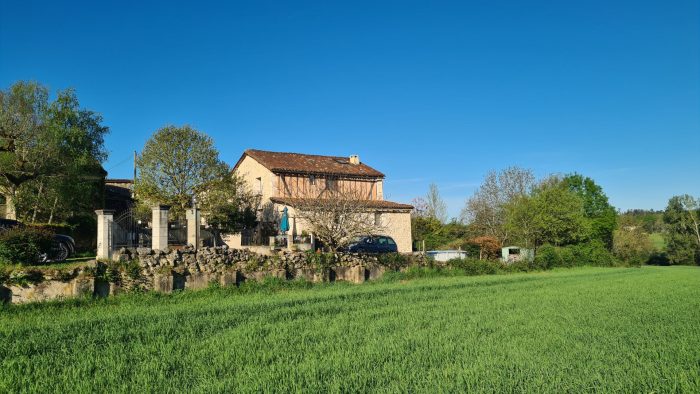
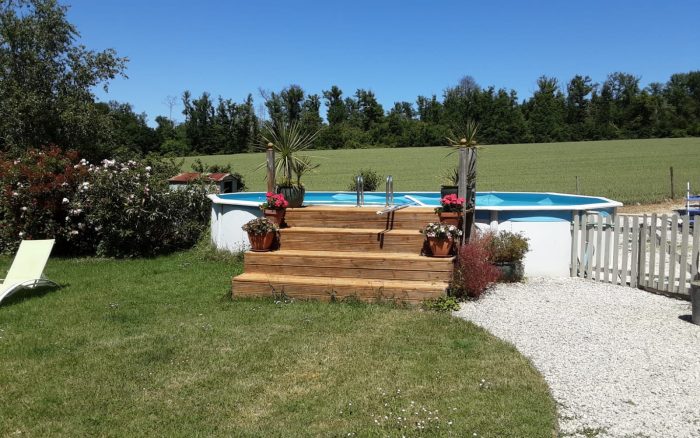
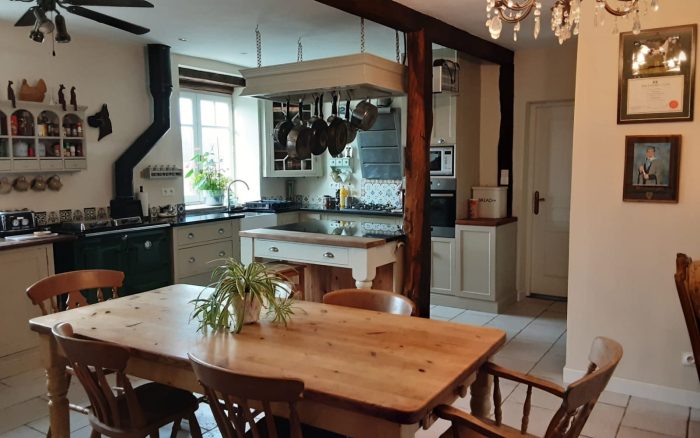
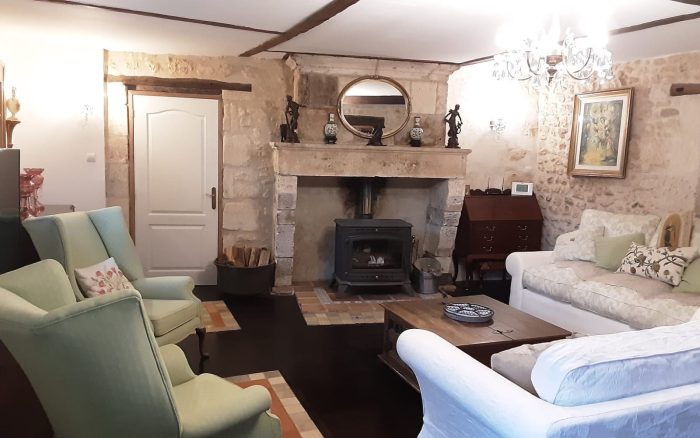
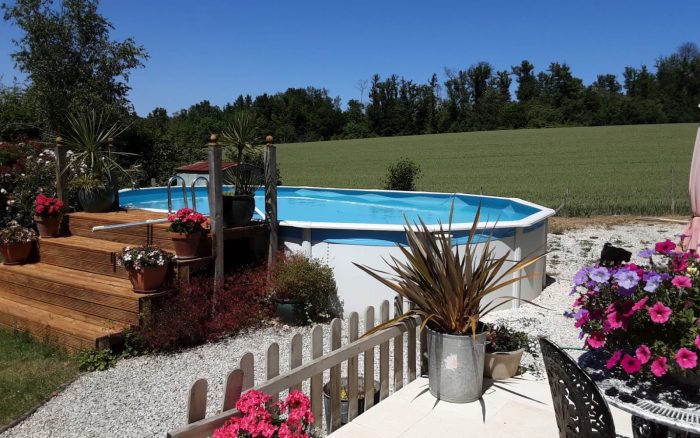
 Pool
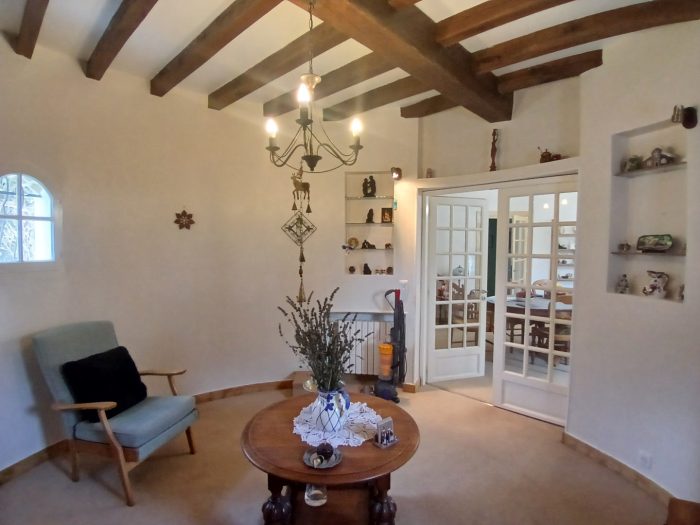
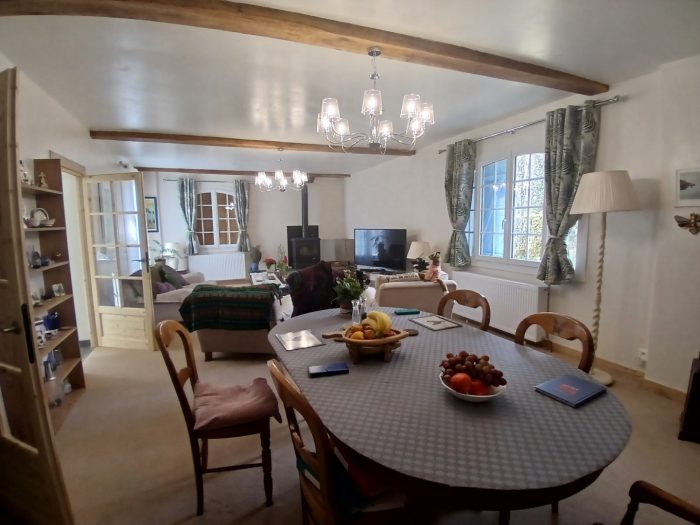
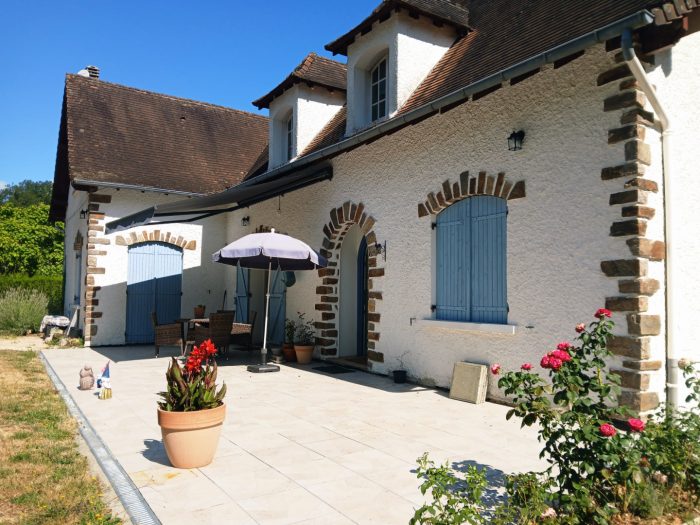
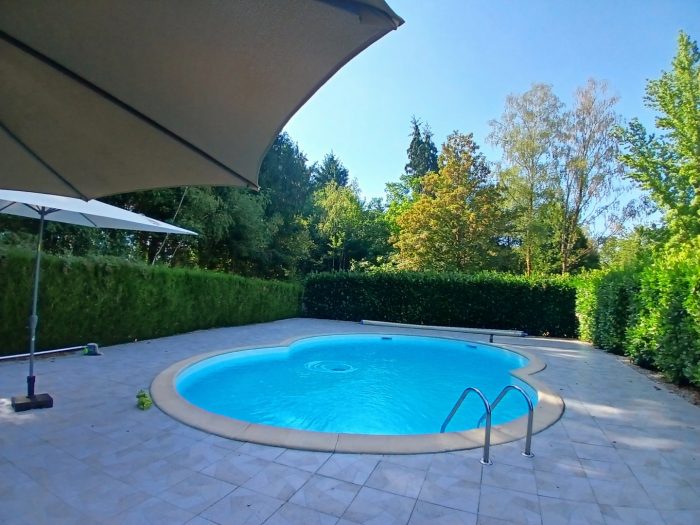
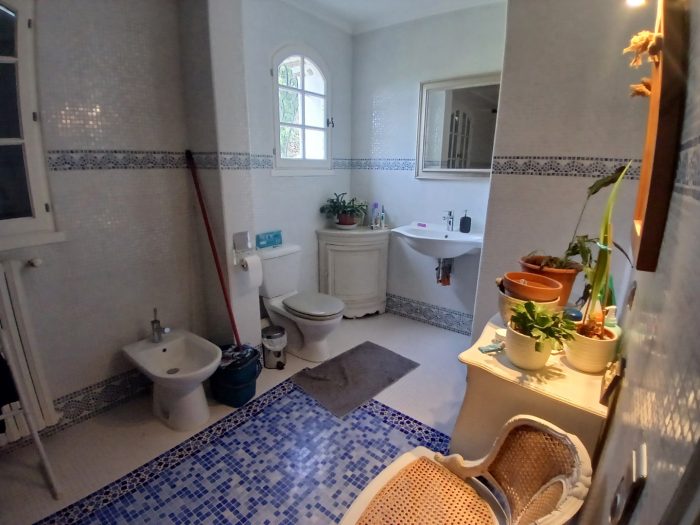
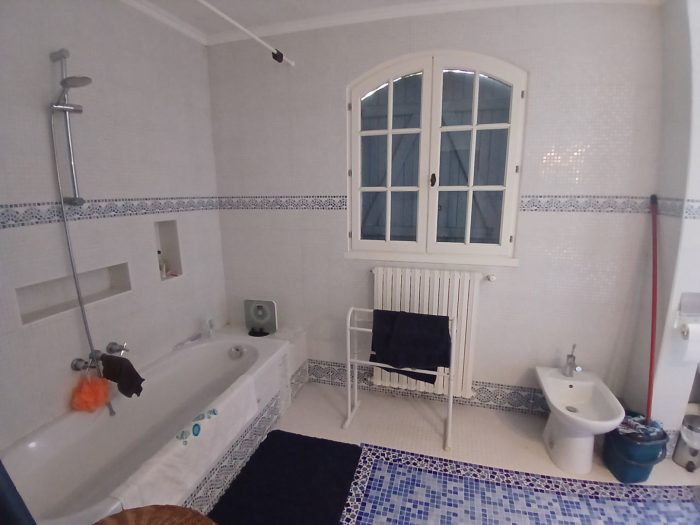
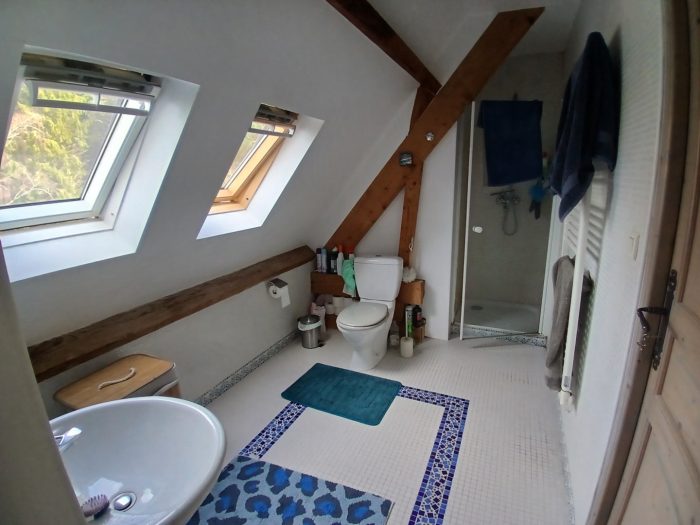
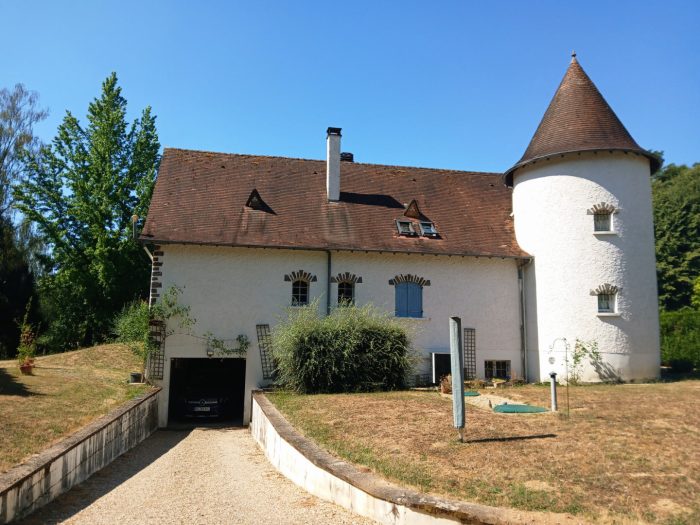
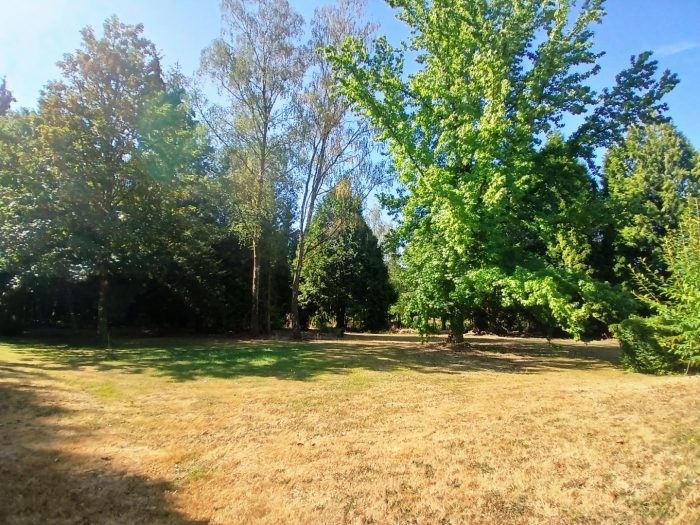
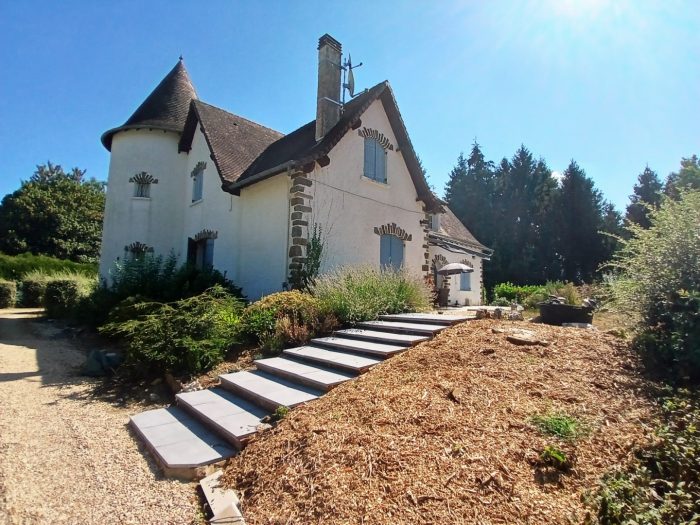 Pool
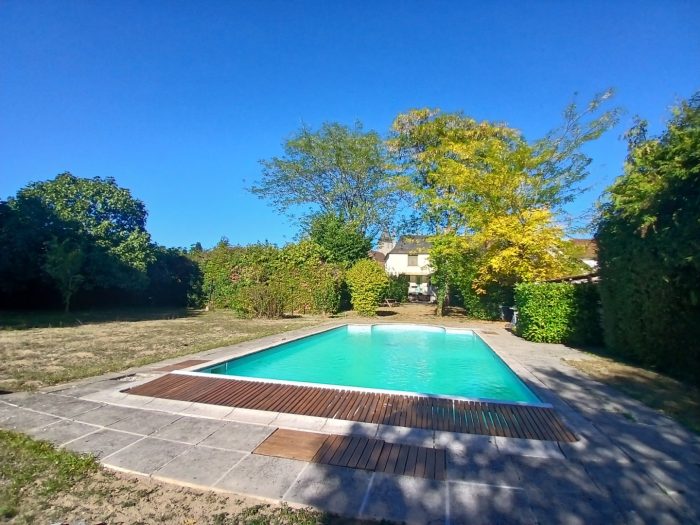
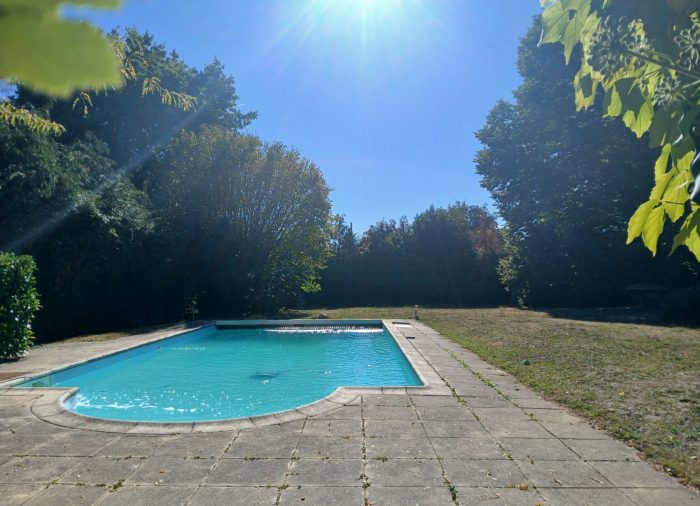
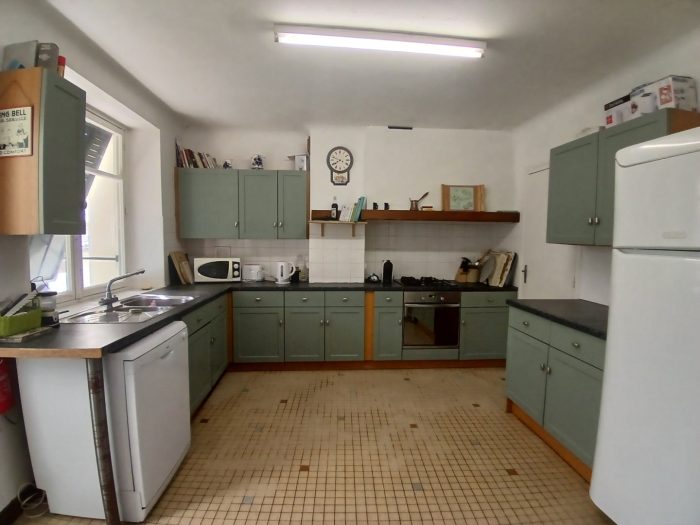
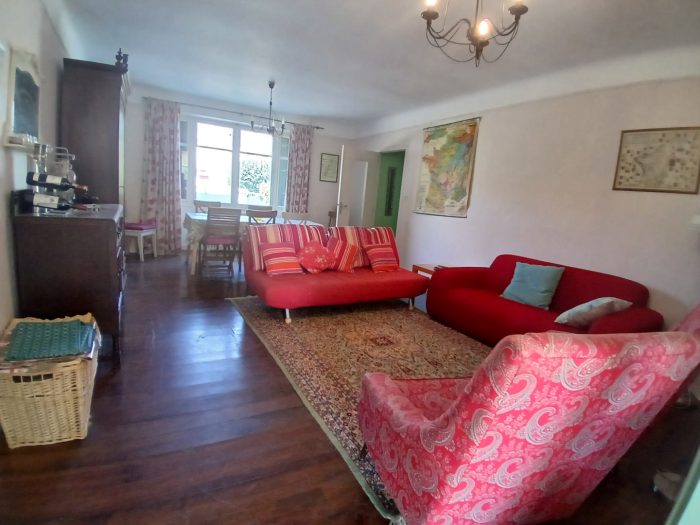
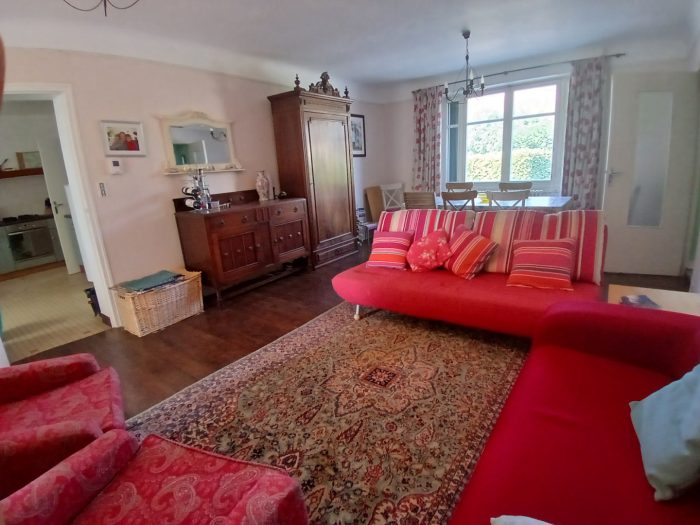
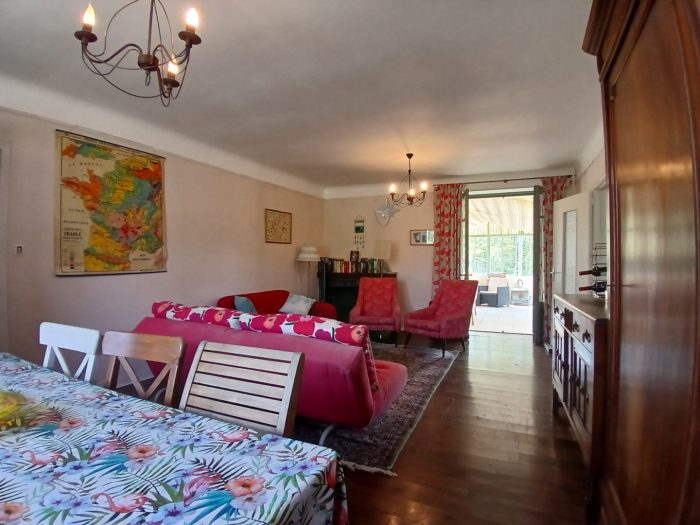
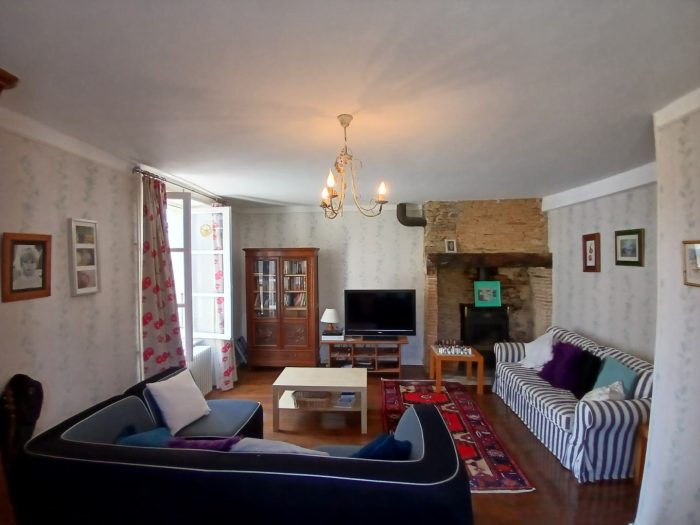
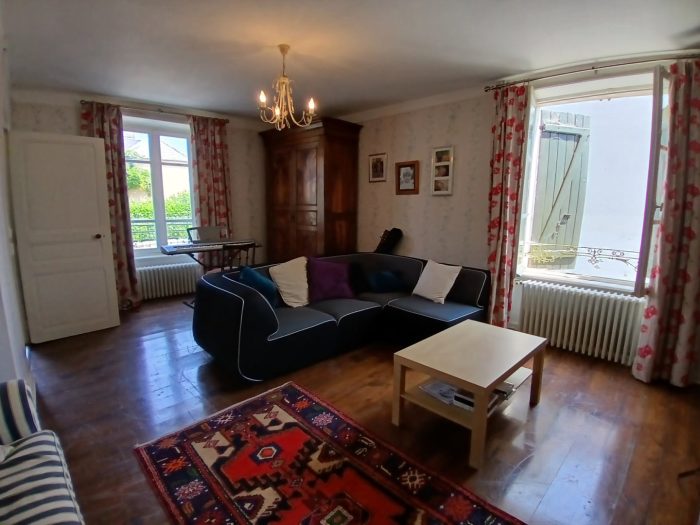
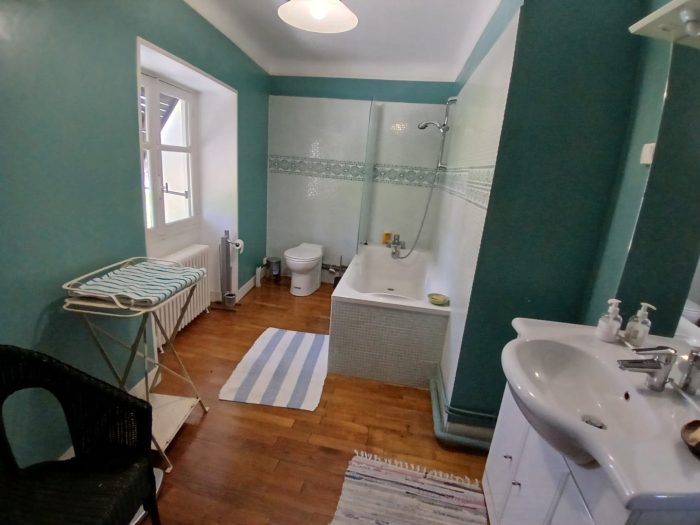
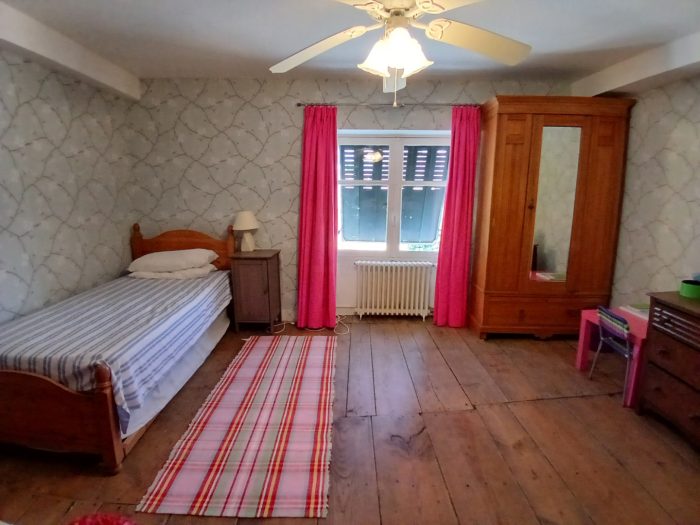
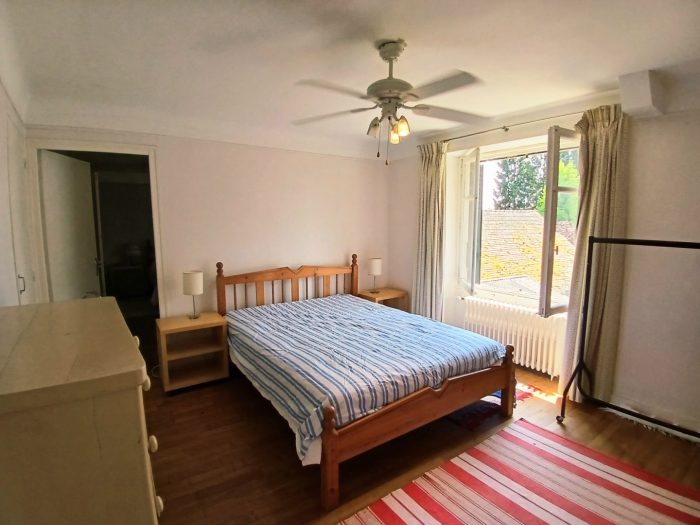
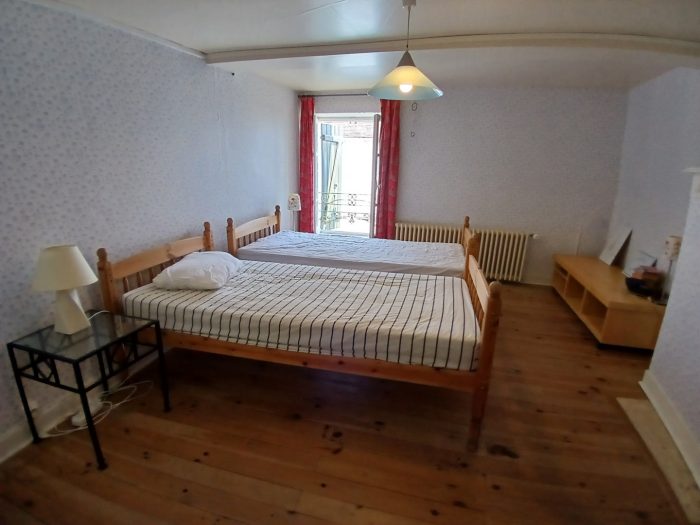
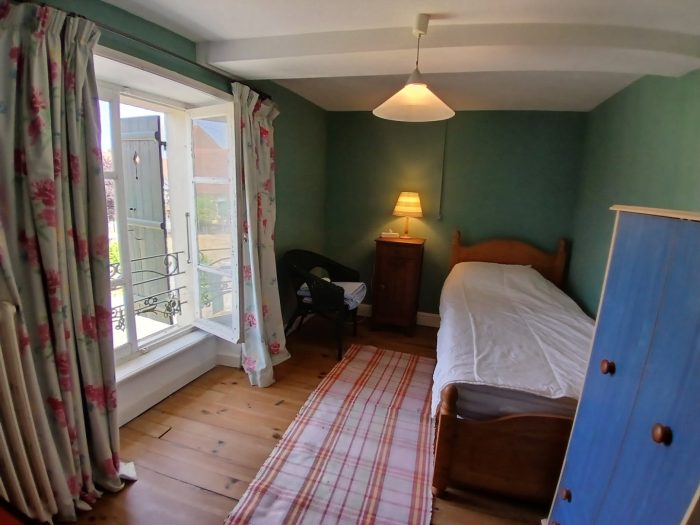
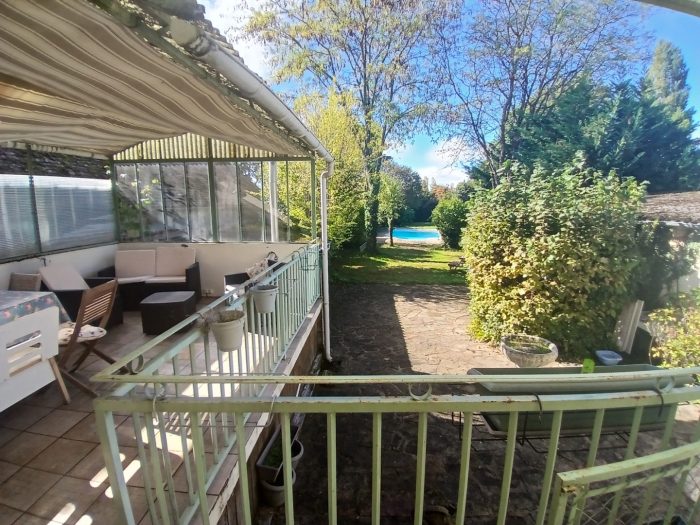
 Pool




 Pool
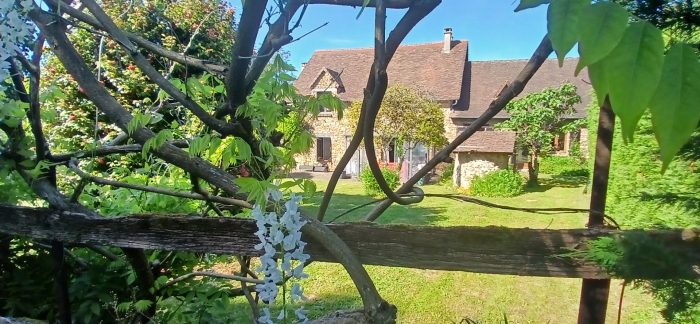
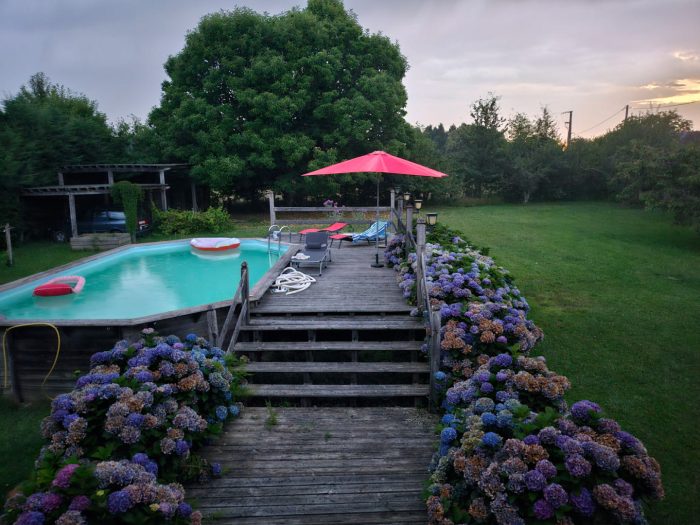
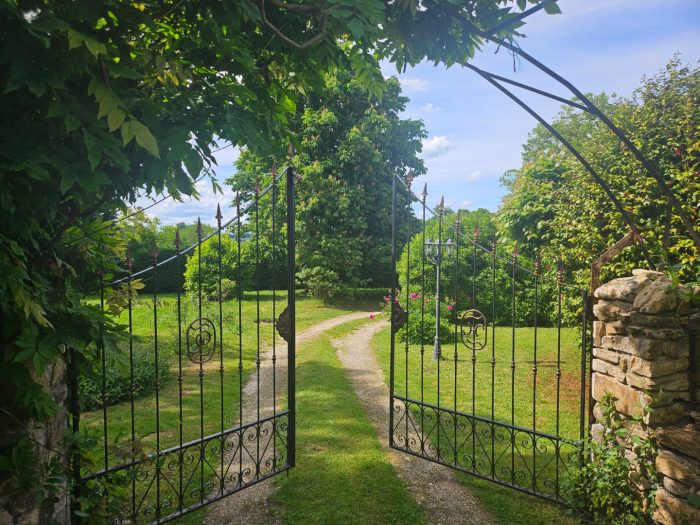
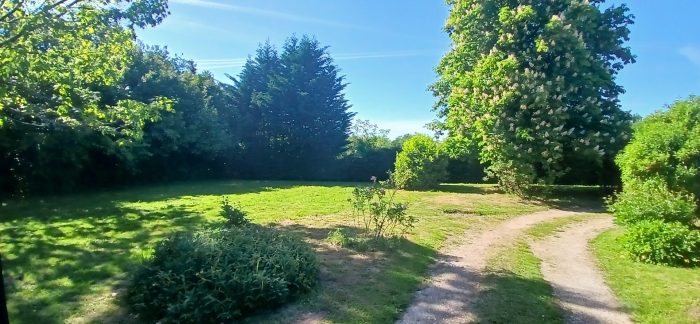
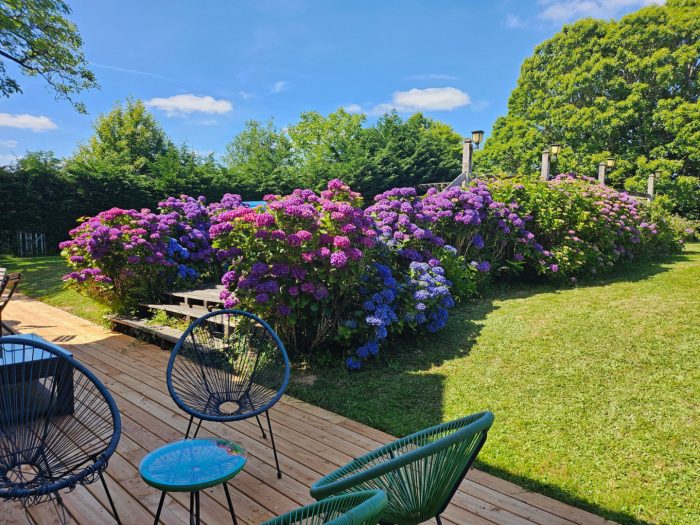
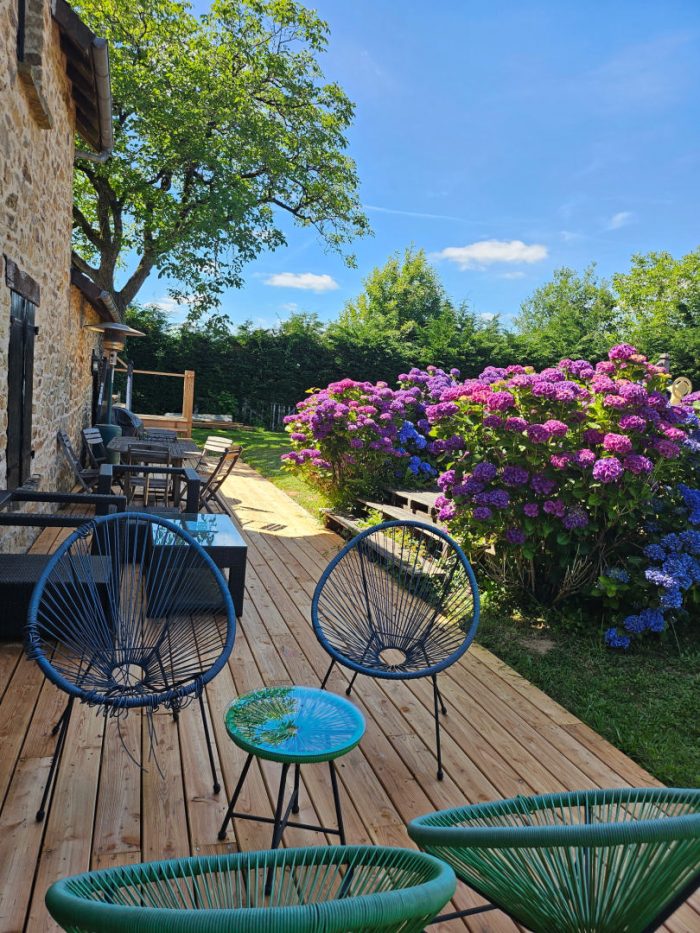
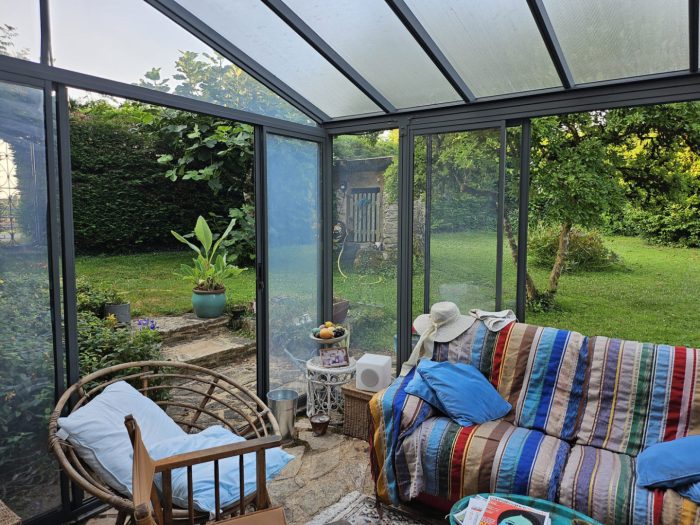
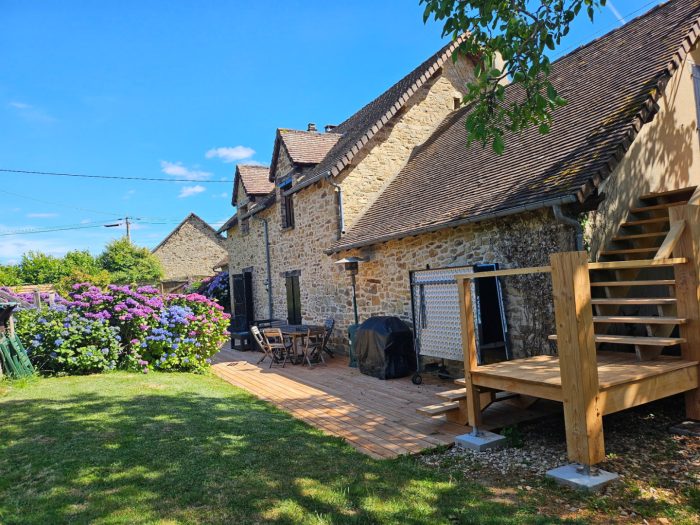
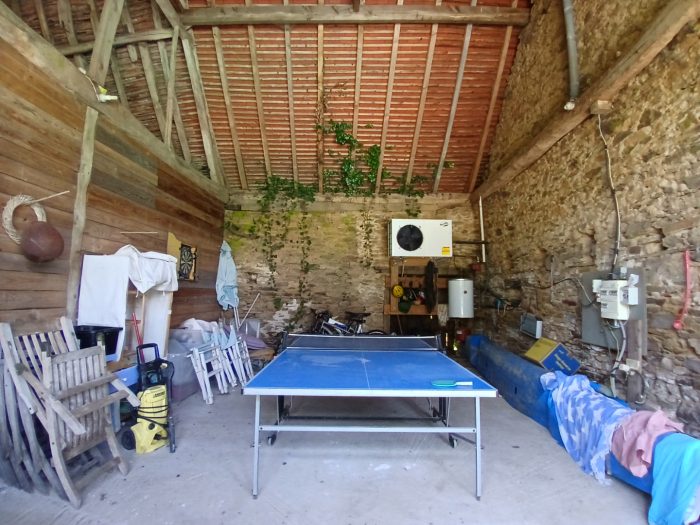
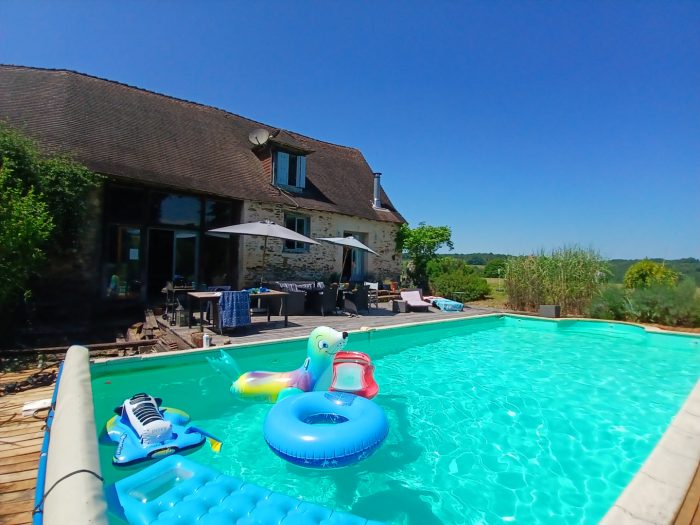 Pool
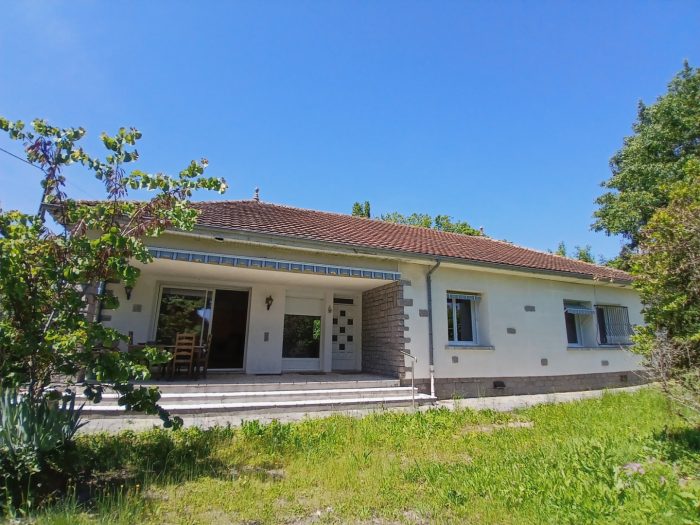
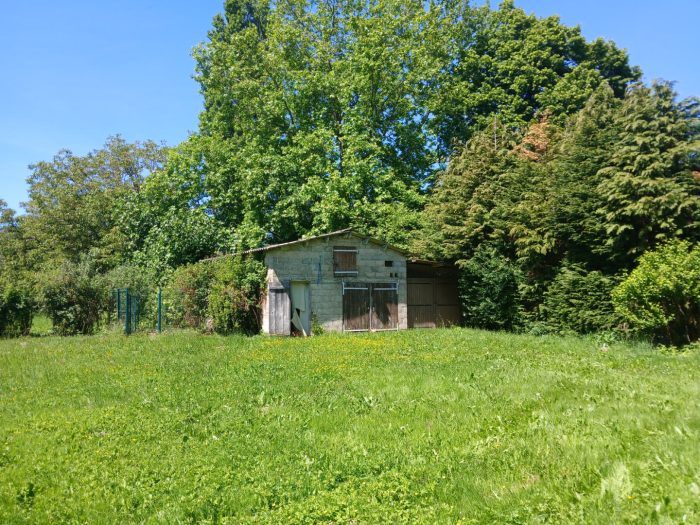
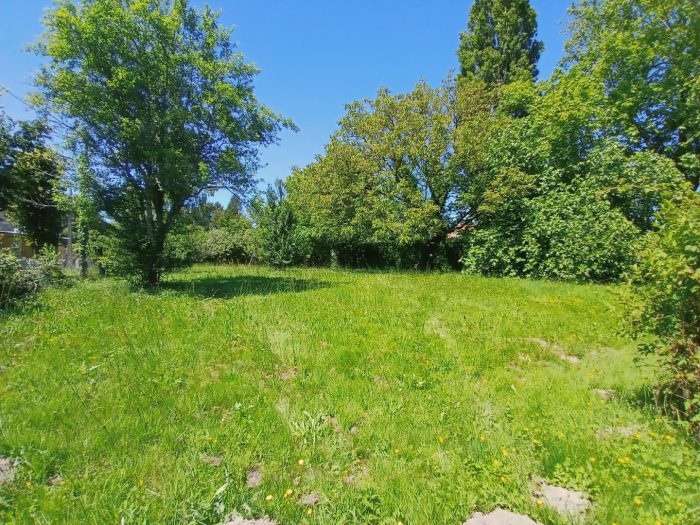
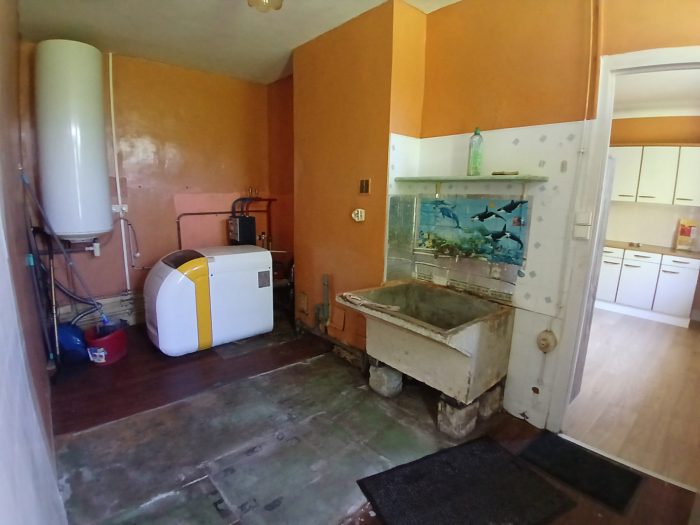
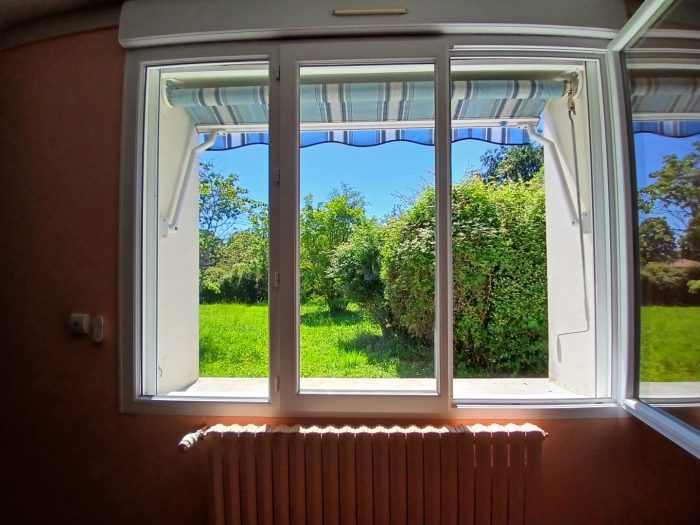
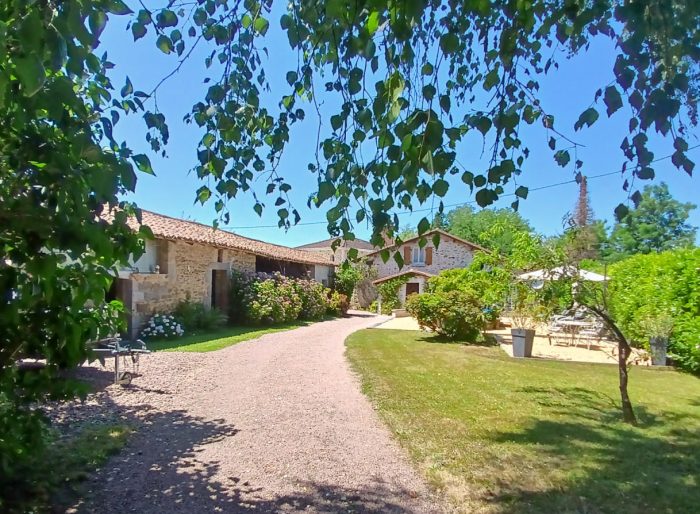
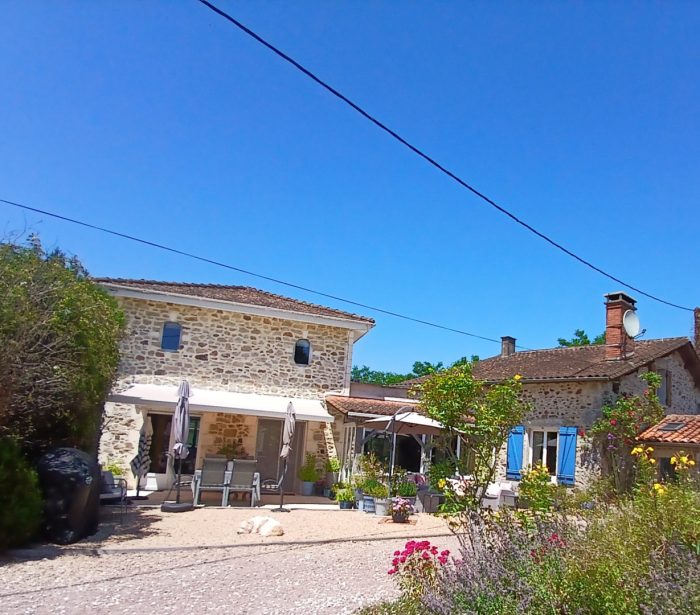
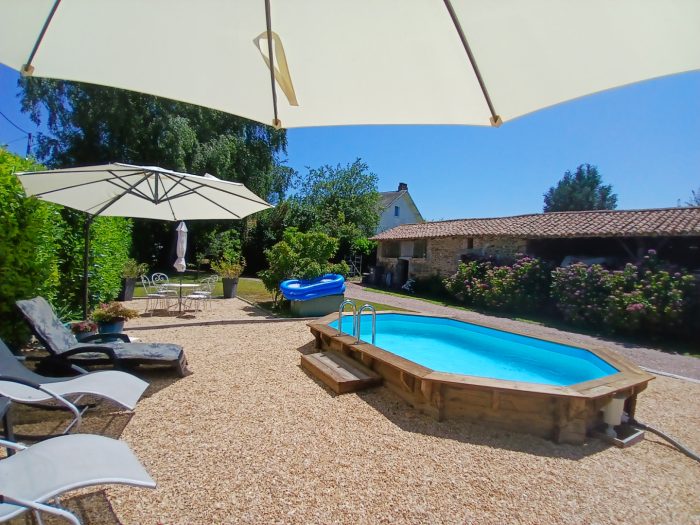
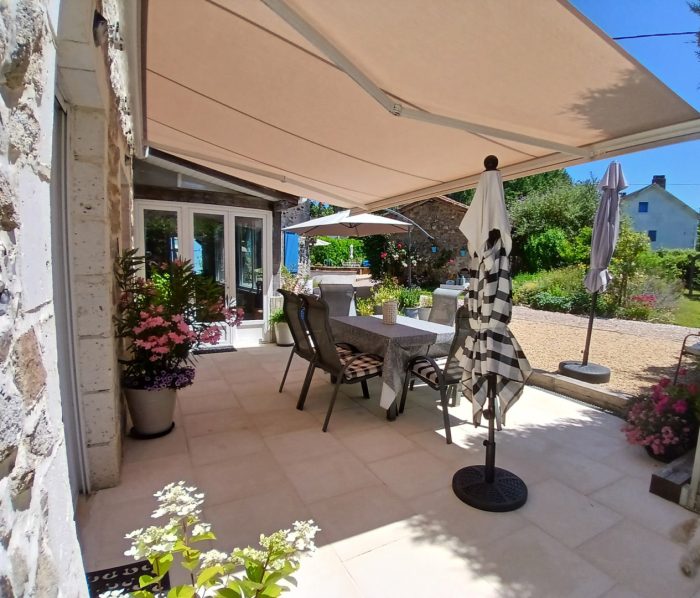
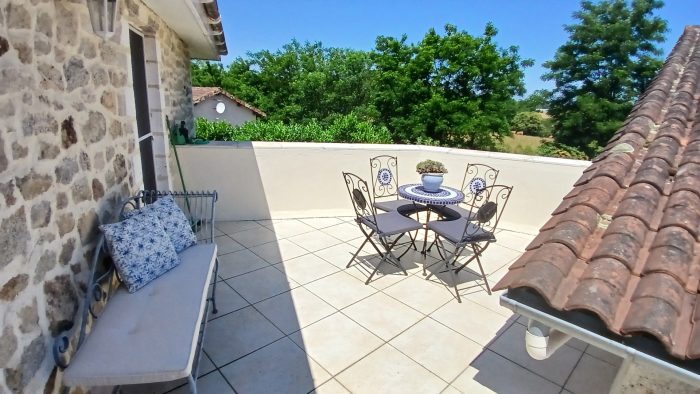
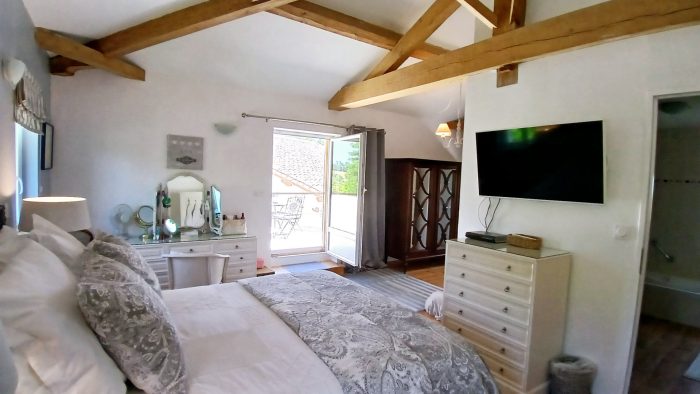
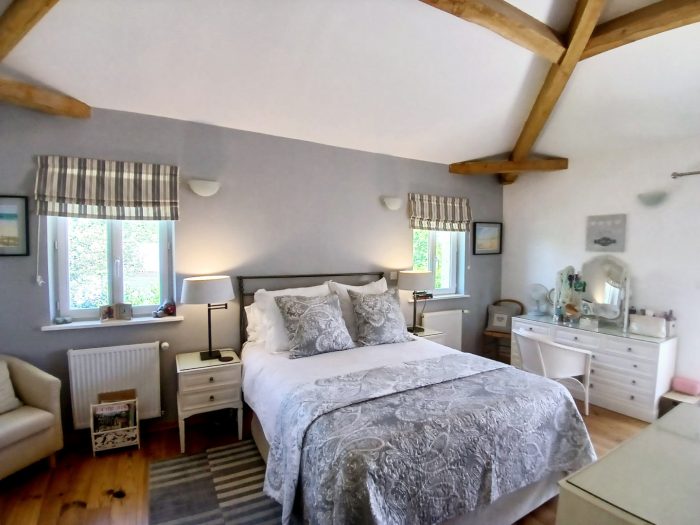
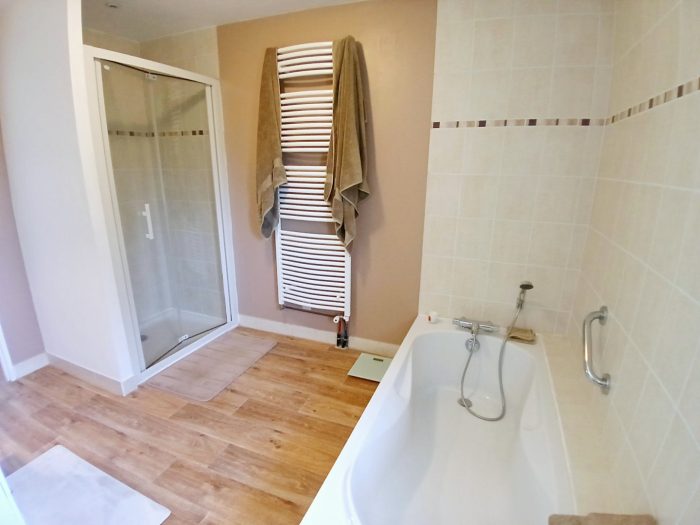
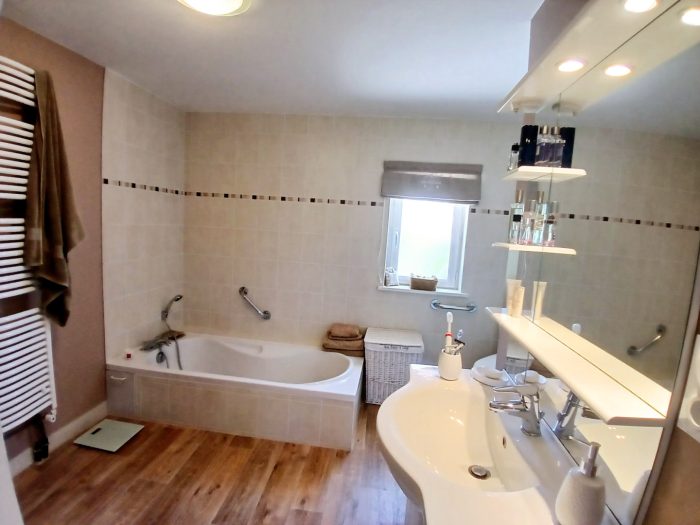
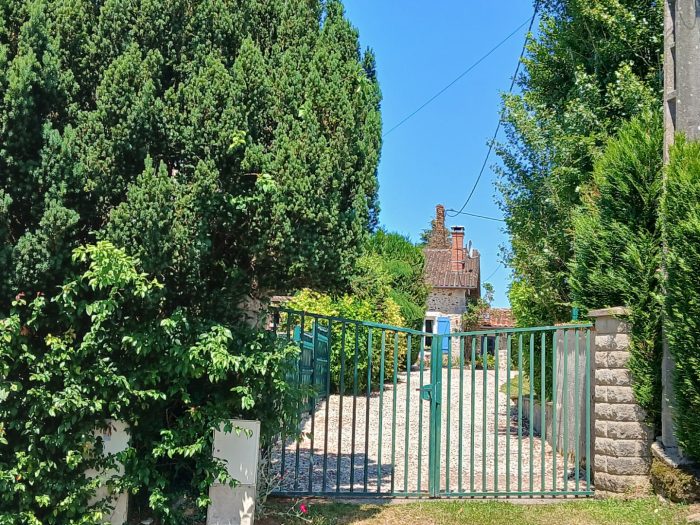
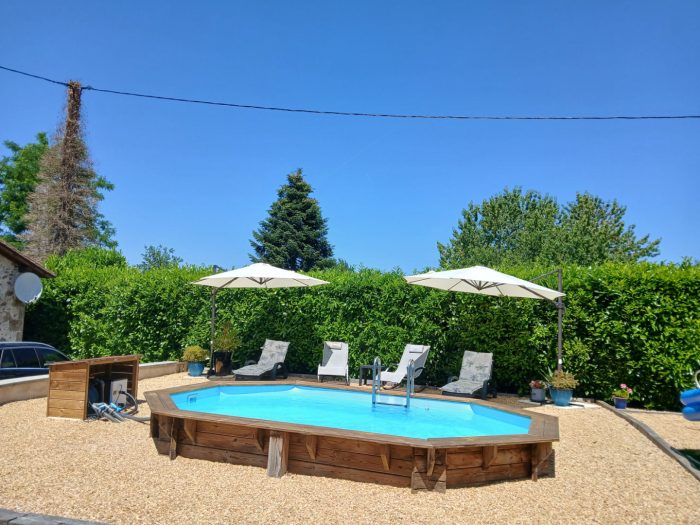
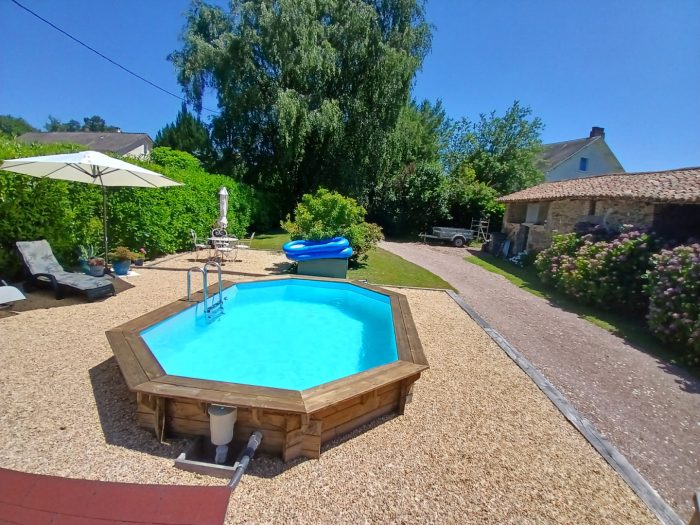
 Pool
The prefecture of Dordogne is Périgueux.
Dordogne (department 24) is in the Nouvelle-Aquitaine region.
There are 503 communes in Dordogne.
The population of Dordogne is 417,614 (INSEE).
Périgueux is the largest commune in Dordogne by population, with 29,055 inhabitants (INSEE).
The four Périgords are tourist-board names for parts of the Dordogne department, not administrative areas: Périgord Vert in the north (main town Nontron), Périgord Blanc in the centre (Périgueux), Périgord Pourpre in the south-west (Bergerac) and Périgord Noir in the south-east (Sarlat-la-Canéda).
The Vézère valley is in the south-east of the Dordogne department. The Prehistoric Sites and Decorated Caves of the Vézère Valley were inscribed on the UNESCO World Heritage List in 1979. The listing includes Lascaux.
We have 22 properties for sale in Dordogne.
Communes of 2,000 people or more, by population (INSEE).